What Are the Leading Ketamine Solutions for Veterans in South Florida
Dawn of a New Mission: Ketamine Treatment for Veterans in South Florida
Why traditional PTSD medications still leave combat trauma unresolved
Traditional antidepressants target serotonin or norepinephrine pathways, yet battlefield memories live deeper than those circuits. Veterans often describe feeling emotionally numb instead of genuinely relieved, even after months on selective serotonin reuptake inhibitors. Because those drugs work slowly, many service members abandon treatment before benefits appear. Furthermore, intrusive flashbacks, hyper-arousal, and moral injury frequently persist despite maximum pharmaceutical dosing. Consequently, countless warriors continue searching for a therapy that reaches the neurological roots of combat trauma.
Emerging research reveals that repeated trauma reshapes glutamate signaling and destabilizes synaptic connectivity in the prefrontal cortex. Conventional pills seldom repair this structural damage, leaving cognitive processing traps wide open. Moreover, polypharmacy can magnify fatigue, weight gain, and sexual dysfunction, eroding quality of life and unit cohesion. Veterans deserve an approach that acts quickly and restores network flexibility rather than merely dampening symptoms. That looming therapeutic gap sets the stage for ketamine’s transformative promise.
Rapid acting antidepressant breakthroughs reshaping veteran mental health
Ketamine, nicknamed Special K on the streets and Super K in some clinical circles, works within hours instead of weeks. By non-competitively blocking NMDA receptors, it unleashes a cascade of brain-derived neurotrophic factor that sparks synaptogenesis. Veterans often report a noticeable lifting of emotional weight after their first infusion, reinforcing hope and preventing disengagement from care. Additionally, rapid relief dramatically lowers suicide risk during the vulnerable early stages of recovery. Consequently, ketamine ranks among the most significant breakthroughs in modern veteran mental health.
Unlike traditional antidepressants, ketamine’s rapid-fire mechanism does not require daily ingestion or a lengthy titration schedule. Short infusion series or intranasal sessions can produce durable mood stabilization when paired with psychotherapy. At the same time, careful dosing protocols minimize dissociation, allowing patients to stay grounded while neuroplasticity unfolds. This balance of speed, effectiveness, and tolerability positions ketamine therapy as a frontline option for treatment-resistant depression and PTSD among combat heroes.
How Ketamine Florida champions innovative PTSD therapy in Broward and Palm Beach
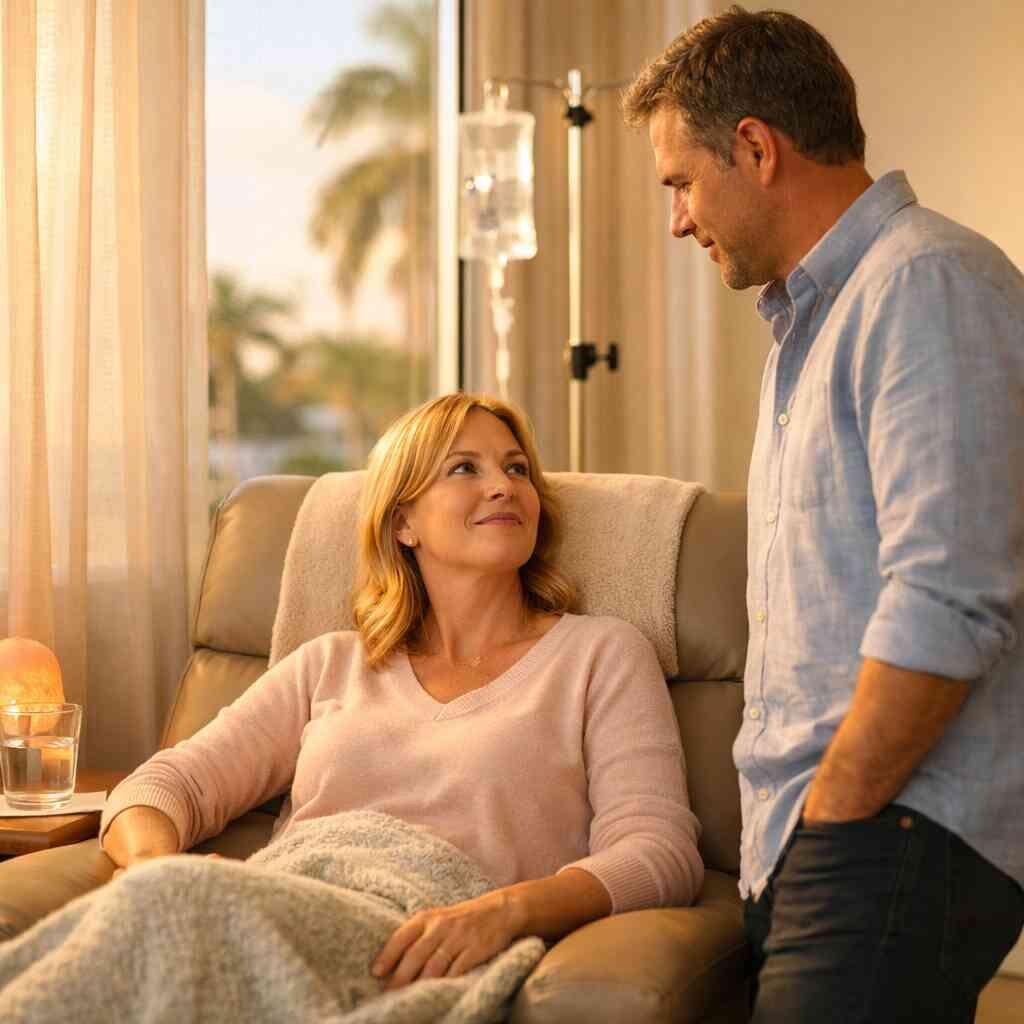
Veterans across Broward and Palm Beach counties turn to Ketamine Florida for veteran-centric ketamine solutions in South Florida. The clinic’s mission-driven team includes combat-experienced physicians, psychiatric nurse practitioners, and licensed therapists who understand military culture. Each new patient completes a comprehensive assessment that maps trauma history, comorbid pain, and overall readiness for infusion therapy. Then, providers design personalized protocols with evidence-backed dosing, tranquil private suites, and continuous cardiac monitoring.
Because community support accelerates healing, Ketamine Florida also liaises with local Veterans Service Organizations and peer mentors. Transportation assistance, flexible scheduling, and family education sessions remove logistical barriers that often derail outpatient care. Meanwhile, outcome tracking uses validated PTSD and depression scales to adjust treatment in real time. This rigorous yet compassionate approach embodies a new mission: bringing rapid, reliable relief to those who once brought safety to all of us.
Ketamine Unmasked: How NMDA Antagonists Rewrite PTSD and Depression Pathways
From battlefield memories to synaptic renewal the neurobiology of relief
Combat memories imprint networks deep inside the limbic system, especially the amygdala. Traditional SSRIs seldom reach those hyperactive circuits. By contrast, ketamine treatment for veterans blocks NMDA channels, calming glutamate storms within minutes. The blockade triggers brain-derived neurotrophic factor, rebuilding dendritic spines culled by stress hormones. Consequently, South Florida ketamine therapy offers structural restoration instead of temporary chemical masking.
Further, ketamine’s rapid synaptic resets restore communication between hippocampus and prefrontal cortex. That reconnection enables context-based memory processing and extinguishes conditioned fear responses. Veterans describe watching intrusive flashbacks slide backward, becoming normal recollections instead of visceral ambushes. This neurologic shift lays groundwork for psychotherapy, because patients can discuss trauma without overwhelming arousal. Thus, combat trauma ketamine infusions create a stable platform for lasting PTSD relief for veterans.
Special K versus Super K clarifying myths and medical facts
Service members often hear street slang like Special K and Super K during deployments, fueling uncertainty about clinical safety. In medical contexts, these nicknames simply reference racemic ketamine and its S-enantiomer. Both compounds remain NMDA antagonists, yet S-ketamine binds slightly stronger and clears faster. Importantly, pharmaceutical grade solutions dispensed in clinics undergo rigorous sterility and potency testing. Therefore, veteran mental health solutions use the same purity standards trusted in operating rooms worldwide.
A growing knowledge base now dispels rumors that therapeutic ketamine causes addiction or hallucinogenic unraveling. Comprehensive FAQs meticulously address these concerns, debunking Special K myths for safe care. The data reveal low dependence risk when physicians monitor dosing frequency and reinforce coping skills. Additionally, veterans under observation rarely experience psychosis, because clinical doses sit far below recreational levels. Consequently, informed patients feel empowered rather than apprehensive before their first infusion.
Safe ketamine dosing protocols that prevent dissociation overload
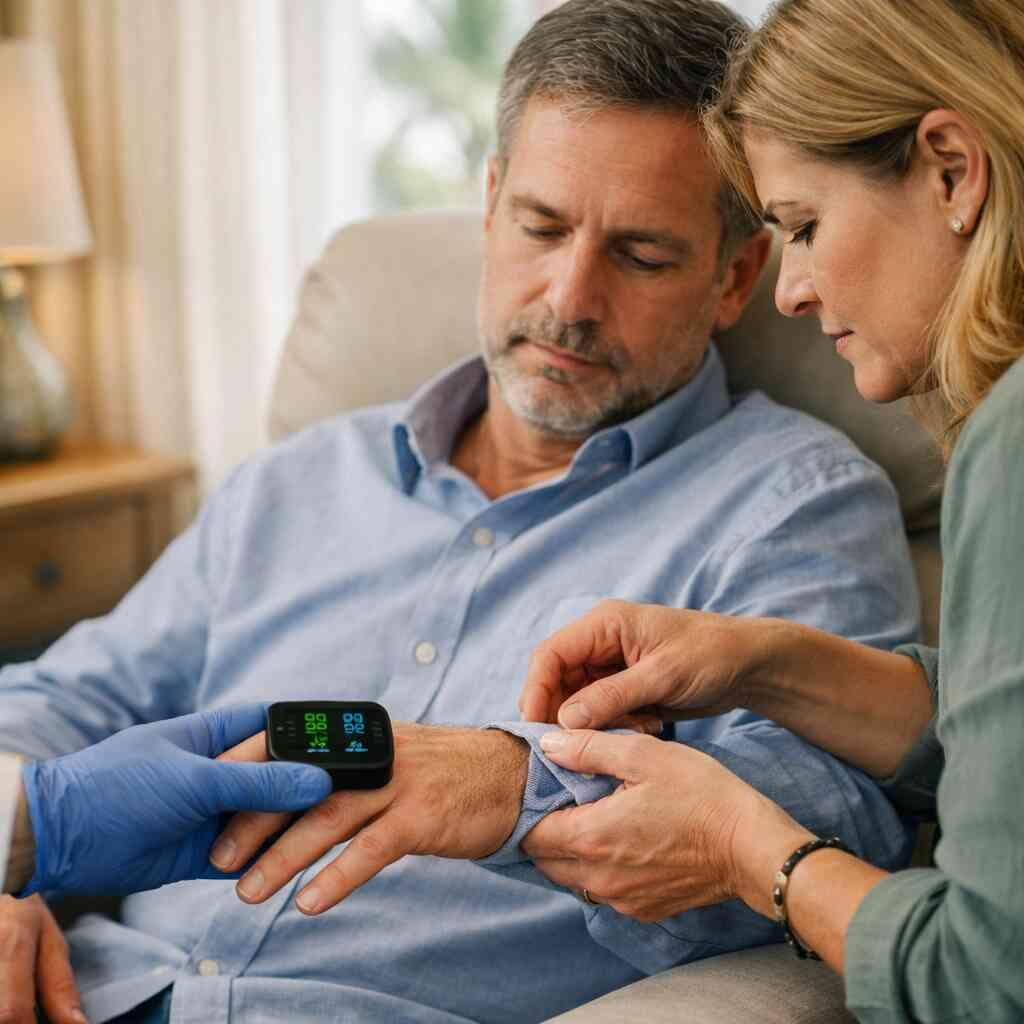
Every South Florida ketamine therapy session begins with a weight-based algorithm, ensuring individualized milligram per kilogram precision. Providers review cardiovascular status, liver panels, and concurrent medications to avoid metabolic surprises. Infusions start slowly, allowing staff to titrate until calm dissociation, not sensory chaos, emerges. Continuous pulse oximetry and blood pressure monitoring track physiologic stability throughout the forty-minute drip. This vigilant cadence embodies safe ketamine dosing protocols aligned with Joint Commission guidelines.
If transient anxiety surfaces, clinicians introduce gentle cues, aromatherapy, or a lower drip rate to reestablish comfort. Mid-infusion coaching reminds veterans to breathe slowly, converting unfamiliar sensations into mindful observation. Such grounding techniques prevent runaway derealization and maintain therapeutic bandwidth for insight. Afterward, patients hydrate, snack, and debrief, further normalizing the experience. These guardrails secure veteran safety while maximizing NMDA antagonist therapy for PTSD outcomes.
Linking combat stress neurochemistry with ketamine assisted neuroplasticity
Chronic combat stress floods synapses with cortisol, shrinking the prefrontal cortex and heightening startle reflexes. Ketamine reverses this trajectory by opening mTOR pathways that govern protein synthesis. Within hours, dendrites sprout, and functional MRI shows revived connectivity between executive and emotion centers. Veterans consequently regain impulse control, sleep architecture, and mood regulation. This biologic choreography underpins rapid depression treatment South Florida warriors now embrace.
Yet neuroplastic windows fade unless new habits cement the circuitry. Ketamine-assisted psychotherapy leverages openness during those hours, guiding veterans toward fresh cognitive frameworks. Therapists incorporate mindfulness, narrative exposure, and goal rehearsal, locking adaptive memories into newly formed synapses. Over weeks, resilience networks stabilize, lowering relapse risk despite ongoing civilian stressors. Hence, linking combat stress neurochemistry with ketamine assisted neuroplasticity yields enduring transformation rather than fleeting euphoria.
Battle Tested Protocols: South Florida Ketamine Infusion Strategies for Rapid Relief
IV infusions intranasal sprays and oral lozenges comparing efficacy for veterans
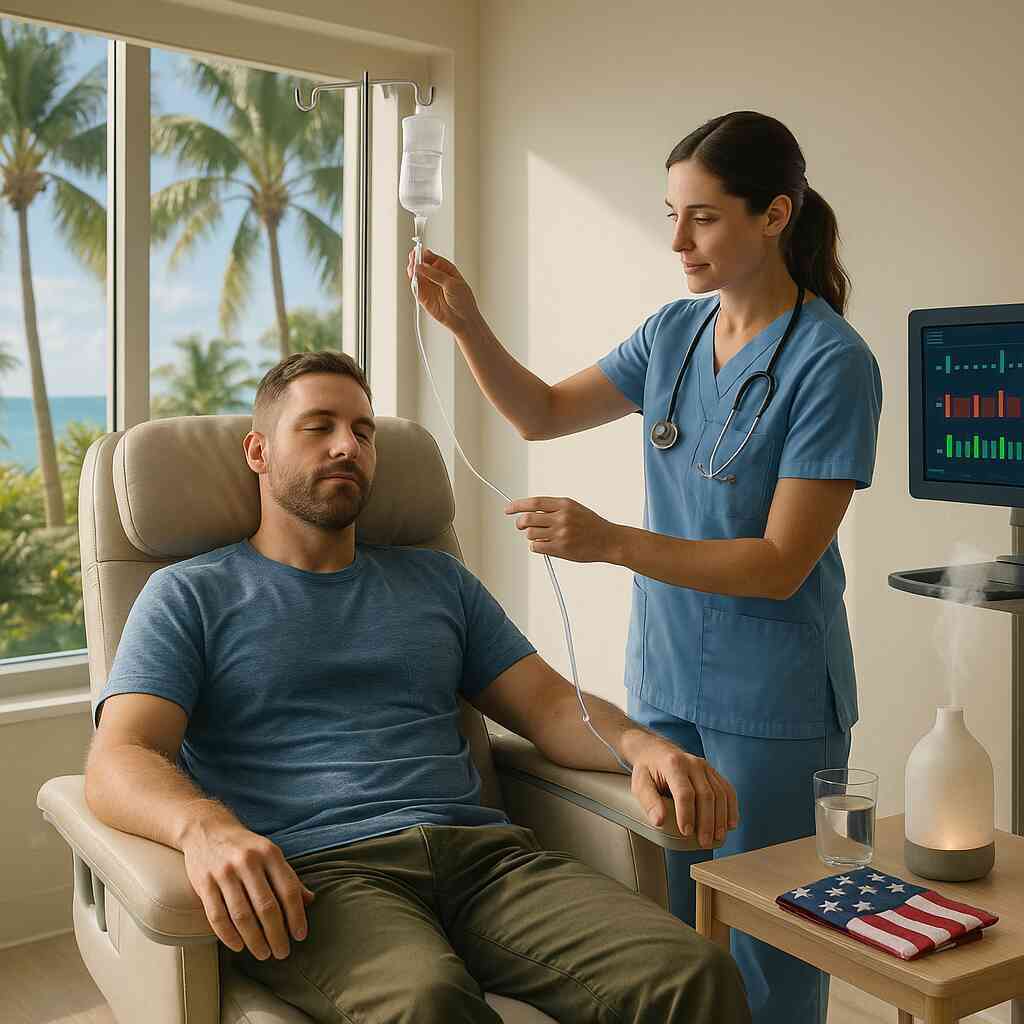
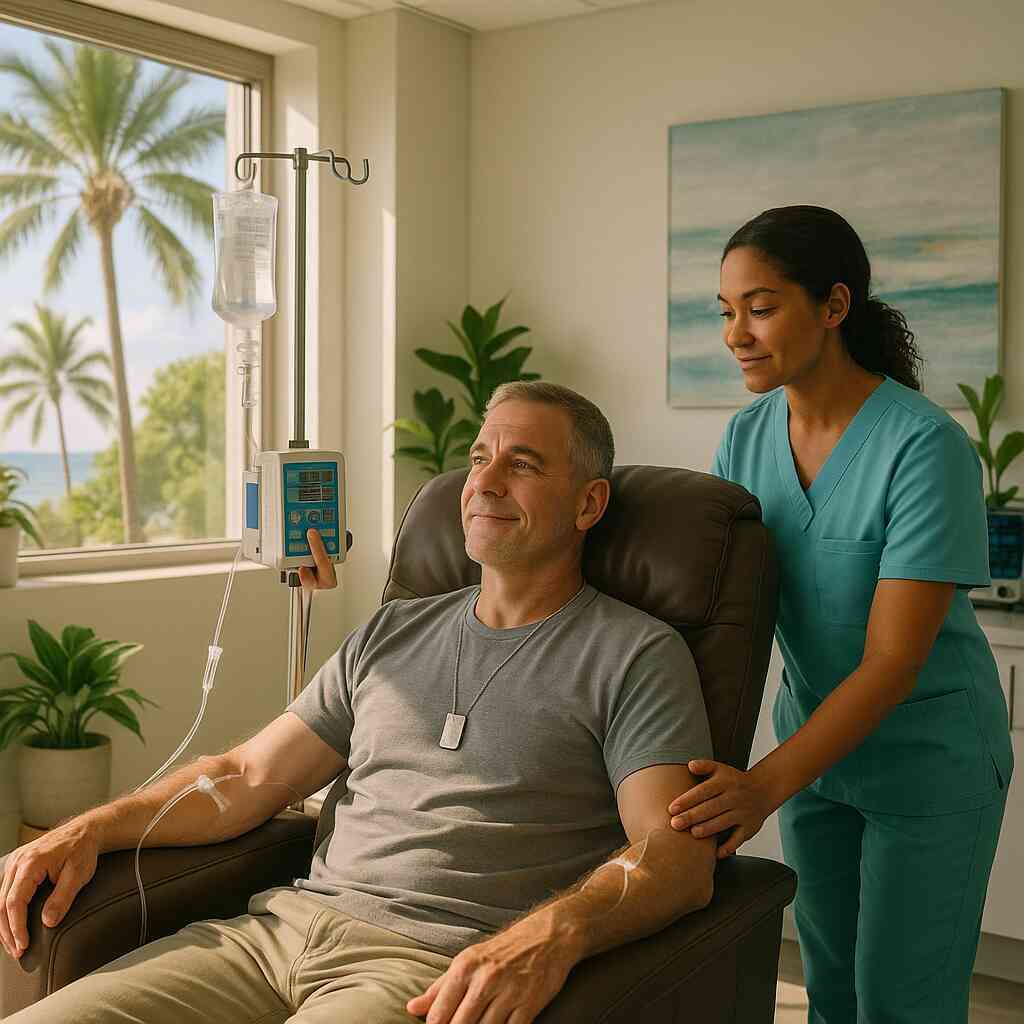
IV infusions remain the gold standard for Ketamine treatment for veterans because plasma levels rise predictably and stay stable during the forty-minute drip. Clinicians can fine-tune dosage in real time, allowing swift correction if blood pressure climbs or dissociation deepens. Veterans appreciate the controlled environment, cardiac monitoring, and comforting recliners placed in private suites. Research shows that six IV sessions within three weeks cut PTSD scores by half for many combat heroes. As a result, infusion protocols dominate South Florida ketamine therapy plans when rapid action is paramount.
Intranasal sprays broaden access for veterans stationed far from a Ketamine clinic in Florida. While bioavailability falls below infusion levels, convenience offsets that limitation because medication can travel home under prescription oversight. Providers teach precise spray techniques, ensuring each puff coats nasal mucosa for maximal absorption. Veterans often schedule booster sprays between infusion series, extending mood stability without more intravenous lines. Pharmacokinetic studies reveal peak effect within 20 minutes, offering near-instant calm during unexpected flashbacks.
Oral lozenges typically serve as maintenance after a primary infusion regimen. They dissolve slowly under the tongue, sending ketamine through rich sublingual vessels and bypassing some first-pass metabolism. Dose timing aligns with therapy sessions or stressful anniversaries, granting autonomy while preserving safety. Because lozenges enter the bloodstream gradually, veterans report a gentler lift rather than abrupt dissociation. This profile suits individuals who require subtle baseline support yet still crave normal daily functioning.
Ketamine assisted psychotherapy integrating talk therapy for durable change
Neuroplasticity peaks for several hours after each South Florida ketamine therapy session, creating a fertile window for cognitive restructuring. Licensed therapists trained in trauma-informed care meet veterans during this phase to practice grounding skills, narrative exposure, and values clarification. Because emotional gates remain open, difficult memories surface without overwhelming terror, letting warriors reshape meaning around loss and responsibility. Studies show that pairing ketamine with evidence-based modalities like EMDR yields longer PTSD remission than pharmacology alone. The synergy mirrors battlefield teamwork: medication clears the way, while psychotherapy secures the objective.
Sessions begin with breathing exercises that anchor awareness in the present moment. Therapists then guide veterans through combat scenes, inviting them to reframe guilt, grief, or anger using future-focused language. Positive neurochemical cascades help embed new interpretations into freshly sprouted synapses, locking in calm responses for later recall. Providers document each breakthrough, adjusting subsequent infusions to reinforce emerging strengths. Over time, integrated care transforms ketamine from a quick fix into a catalyst for lifelong resilience.
Chronic pain management for veterans pairing ketamine with physical rehab
Explosive blasts and heavy gear often leave veterans with neuropathic pain that resists opioids or nerve blocks. Low-dose ketamine infusions interrupt central sensitization cycles, easing burning and shooting sensations within hours. Physical therapists seize this analgesic window to retrain gait, stretch scar tissue, and rebuild core stability without triggering flare-ups. Veterans move more freely, reinforcing muscle memory that protects joints once infusions finish. Functional gains thus multiply, reducing dependence on medications that dull alertness or threaten addiction.
Clinicians tailor drip rates for pain syndromes, sometimes extending infusion length to sustain relief long enough for double therapy sessions. Biofeedback devices document improved range of motion, giving veterans objective proof that progress is real. When setbacks arise, oral lozenges or intranasal boosters prevent pain spirals, keeping rehabilitation on schedule. This multidisciplinary strategy exemplifies evidence-based PTSD ketamine infusions for combat heroes while simultaneously addressing physical wounds.
Suicide prevention tracks and rapid depression treatment frameworks
The first weeks after leaving active duty can feel disorienting, heightening suicide risk among service members. Rapid-acting ketamine depression care in Palm Beach frameworks deliver same-week intake, cardiac clearance, and initial infusion, preventing tragic delays. Within hours, hopeless thoughts often recede, buying precious time for therapists and peer mentors to mobilize. Mood tracking apps ping clinicians if scores dip, triggering proactive booster sessions before crisis reemerges. This vigilant model treats suicidality as a medical emergency, not a slow referral.
Protocols include family orientation that demystifies side effects and trains loved ones to spot early warning signs. Veterans carry personalized safety cards listing coping tools, hotline numbers, and follow-up appointments at their Broward County ketamine clinic for military personnel. Regular case conferences unite psychiatrists, nurses, and social workers, ensuring coherent messaging and swift course corrections. Over months, patients graduate from intensive tracks into maintenance programs, confident that support remains one phone call away. In South Florida, ketamine thus stands guard long after the final uniform is folded.
Regional Strongholds: Mapping Elite Ketamine Clinics and Veteran Support Networks
Inside Ketamine Florida a veteran focused clinic culture
Ketamine Florida was forged with battlefield clarity, translating combat medicine discipline into civilian healing corridors. The mission-driven clinic background for Florida veterans shapes every protocol, from lobby decor to discharge planning. Staff greet each warrior using rank or preferred title, honoring identity often lost during transition. Aromatherapy, subdued lighting, and accessible service animal zones further signal psychological safety. This environment reduces hypervigilance, allowing neuroplasticity to flourish without defensive tension. Every design choice aligns with Ketamine treatment for veterans, not generic outpatient care.
Clinical authority underpins the warm ambiance. Board-certified anesthesiologists collaborate with psychiatric nurse practitioners, demonstrating the crucial role of licensed professionals in ketamine therapy. Weekly drills rehearse PTSD safety protocols led by Ketamine Florida, ensuring swift response if dissociation becomes distress. During infusions, two clinicians remain present, mirroring battlefield buddy systems. Afterward, therapists conduct structured debriefs, reinforcing ground reality and evaluating readiness for community reentry. This disciplined culture delivers consistency, trust, and measurable therapeutic gains.
Palm Beach Broward and Miami veteran ketamine specialists spotlight
South Florida’s coastline hosts a strategic triad of veteran focused sites. Rapid-acting ketamine depression care in Palm Beach anchors the northern flank, offering immediate relief for despairing marines. Further south, the Broward County ketamine clinic for military personnel specializes in polytrauma cases requiring concurrent pain control. Miami rounds out the network with bilingual teams versed in cross-cultural deployment histories. Veterans can transfer seamlessly between sites when housing or duty assignments shift. Shared electronic records guarantee dosing continuity and prevent medical drift.
Each location cultivates unique strengths while sharing standard operating procedures. The Palm Beach veteran ketamine therapy hub partners with local dive schools for exposure-based resilience programs. Clinicians near Fort Lauderdale integrate art therapy and multidisciplinary ketamine pain management near Fort Lauderdale sessions, easing explosive-related neuropathy. Miami units frequently blend infusions with adjunct TMS therapy options in Florida, accelerating cortical recalibration. Together, the triad forms a responsive, interoperable mesh supporting Active, Guard, and Reserve members alike. Geographic proximity no longer dictates treatment limitations.
Coordinating VA benefits with private care alternative ketamine programs
Navigating benefits bureaucracy often overwhelms recently separated service members. Dedicated caseworkers translate VA language into actionable steps, mapping eligibility for community care reimbursements. They lodge consult requests, upload psychiatric notes, and monitor authorization timelines, sparing veterans administrative fatigue. Coordination secures partial coverage for alternative ketamine programs when traditional formularies fail. This hybrid funding increases access without forcing warriors to choose between financial stability and mental health.
The same navigators also educate patients about evolving modalities beyond ketamine. They review anxiety reduction pathways with ketamine on the Gold Coast, highlighting evidence for generalized anxiety remission. Workshops outline super K advantages for returning service members, clarifying stereoisomer specifics without pharmaceutical jargon. Comparative seminars explore the pharmacology of ketamine and NMDA modulation alongside emerging psilocybin-assisted treatments in Florida, fostering informed consent. By demystifying options, staff empower veterans to steer their recovery trajectory confidently.
Community alliances and peer mentors strengthening holistic wellness
Clinical breakthroughs mean little without community scaffolding. Ketamine Florida partners with gyms, meditation studios, and agricultural co-ops to solidify gains. Events are advertised through the regional treatment coverage across South Florida portal, simplifying logistics. A dedicated outreach team schedules events within that coverage across South Florida, ensuring each county hosts monthly meetups. These gatherings incorporate integrated pain management science for veterans, teaching ergonomic lifting and anti-inflammatory cooking. Frequent engagement mitigates isolation, a known relapse trigger.
Peer mentors who have completed infusions serve as living proof of progress. They distribute insights on ketamine’s impact for veterans’ mental health through storytelling circles and podcasts. Facilitators reference a comprehensive veteran care guide to structure goal setting and contingency plans. Newcomers receive wallet cards listing grounding exercises alongside a hotline offering direct contact to start ketamine therapy today. This layered support transforms episodic treatment into lifelong camaraderie.
Beyond Symptom Control: Building Lifelong Resilience Through Maintenance and Lifestyle Integration
Evidence based ketamine maintenance programs for sustained remission
Veterans often ask whether the lift from South Florida ketamine therapy will last once the primary infusion series ends. Evidence shows that planned booster sessions every few weeks stabilize neuroplastic gains and prevent depressive relapse. These ketamine maintenance programs for veterans rely on flexible dosing, allowing clinicians to extend intervals as mood and sleep improve. Moreover, standardized outcome scales track PTSD triggers, guaranteeing data-driven adjustments instead of guesswork. The result is sustained remission that outperforms many conventional pharmacotherapies.
Ketamine Florida designs each maintenance schedule after a collaborative review of combat history, family support, and personal goals. Providers select IV, intranasal, or sublingual routes based on lifestyle compatibility, thereby protecting adherence. Regular telehealth check-ins verify home practice of grounding skills learned during infusion weeks. When stress surges-perhaps during holidays or unit reunions-rapid access appointments recalibrate neurotransmission before symptoms spiral. Consequently, veterans remain mission-ready for civilian life.
Combining mindfulness nutrition and sleep optimization with ketamine
Medication lays the neurological foundation, yet daily habits cement long-term resilience. Mindfulness meditation dovetails with ketamine’s heightened neuroplastic window, teaching veterans to observe thoughts without judgment. Five-minute breathing drills practiced morning and evening reinforce prefrontal control, curbing hypervigilance that once felt unshakeable. At the same time, anti-inflammatory nutrition rich in omega-3s supplies the raw materials dendrites need to thrive. This trio of practices transforms brief biochemical shifts into enduring psychological strength.
Sleep hygiene completes the triad by anchoring circadian rhythms disrupted by deployment. Blue-light limits, consistent bedtimes, and cool rooms amplify the antidepressant effect of ketamine therapy in Florida. Furthermore, restorative sleep enhances memory consolidation, allowing therapeutic insights to embed more deeply. Dietitians and mindfulness coaches collaborate with medical staff, giving veterans a cohesive plan rather than scattered advice. Therefore, lifestyle integration becomes the armor that guards newfound mental clarity.
Monitoring long term safety cognitive function and liver health
Safety monitoring never stops once boosters begin. Quarterly cognitive screens assess attention, working memory, and reaction time, ensuring that rapid depression treatment South Florida veterans receive does not impair executive function. Liver panels accompany these checks because ketamine, like many medications, metabolizes through hepatic pathways. Early detection of enzyme shifts enables dose adjustments before complications develop. Veterans appreciate this proactive vigilance, which mirrors the preventative mindset practiced in military logistics.
Additionally, clinicians review cardiovascular metrics, since sustained sympathetic activation can linger after combat exposure. Regular exercise lowers blood pressure, while mindfulness further tames heart rate variability. Together, these measures build a holistic safety net that protects body and brain alike. Continuous education empowers veterans to recognize warning signs early and report them promptly. Hence, transparency and teamwork maintain trust throughout extended care.
Preparing for future missions personal growth and community reintegration
Post-service life still holds new missions: parenting, entrepreneurship, and civic leadership. Ketamine Florida coaches veterans to translate battlefield discipline into these arenas, fostering purpose beyond symptom management. Goal-setting workshops guide participants to craft SMART objectives, then map incremental steps toward achievement. Peer mentors share hard-won strategies, normalizing setbacks while celebrating progress. Consequently, each victory reinforces identity as a capable, thriving community member.
To streamline this journey, clinicians provide a comprehensive veteran care guide for 2025 that bundles resources on education benefits, vocational training, and emotional wellness. The guide also details volunteer opportunities, ensuring continued camaraderie after uniforms are stored away. Graduates often return as mentors, creating a virtuous cycle of service that extends ketamine’s impact far beyond the clinic walls. Therefore, resilience becomes not merely recovery, but a launchpad toward lifelong growth.
Forward March: Toward Healing A Future Built on Care and Connection
Measuring success through renewed purpose and quality of life
Ketamine treatment for veterans is never judged only by symptom charts; true victory appears in daily life. When a former squad leader finally sleeps through the night, that calm matters more than any numeric score. Likewise, rekindled hobbies-fishing at sunrise, coaching Little League, or finishing a degree-signal restored agency that data alone cannot convey. South Florida ketamine therapy therefore tracks mission-driven milestones such as stable relationships, meaningful work, and balanced moods. Providers celebrate these wins during follow-up visits, reinforcing that healing is an ongoing journey, not a single procedure.
Comprehensive care also monitors cognitive sharpness, emotional regulation, and community engagement for every veteran. Clinicians reference the mission-driven clinic background for Florida veterans to align success metrics with military values like service, integrity, and resilience. That cultural consistency motivates participants to set ambitious goals, knowing the medical team understands both the weight of duty and the promise of renewal. Regular questionnaires explore purpose, joy, and connection to flag early dips before they widen into setbacks. By weaving quantitative data with qualitative stories, Ketamine Florida paints a complete picture of progress that speaks to head and heart alike.
How South Florida leads the national charge in veteran centric ketamine therapy
The region’s unique blend of military bases, world-class research hospitals, and multicultural neighborhoods fuels rapid innovation. Collaborative studies link Gulf Coast universities with VA researchers, accelerating evidence for NMDA antagonist therapy for PTSD well ahead of national averages. Clinics rapidly translate discoveries into practice, offering protocols that combine rapid depression treatment South Florida veterans trust with trauma-informed psychotherapy. This synergy shortens the gap between laboratory findings and front-line relief, ensuring warriors receive cutting-edge solutions first.
Leadership also stems from rigorous clinical governance and transparent credentialing. Every infusion room in Broward, Palm Beach, and Miami stations at least two seasoned clinicians per patient. Their expertise highlights the pivotal role of licensed professionals in ketamine therapy, safeguarding dosing precision and ethical standards. Regular peer reviews, safety drills, and outcome audits sharpen skills while inspiring nationwide benchmarks. Other states now model credential requirements after South Florida policies, confirming the area’s position as a beacon of veteran mental health solutions.
Steps veterans can take today to embark on their healing journey with Ketamine Florida
First, gather service records, medical history, and a brief list of current symptoms; efficient intake depends on clear background details. Next, call or email the clinic to schedule a comprehensive evaluation that screens for PTSD, depression, anxiety, and chronic pain. Family members are welcome during this meeting, because collective understanding smooths every phase of recovery. After assessment, providers outline personalized South Florida ketamine therapy plans, including infusion timelines, psychotherapy integration, and wellness coaching. Veterans leave with printed preparation guides that explain transportation, hydration, and post-session rest strategies.
Momentum is everything, so the team encourages immediate action instead of hesitant waiting. Use the clinic’s secure portal for direct contact to start ketamine therapy today and lock in the first appointment. Financial counselors clarify insurance options, VA referrals, and sliding-scale programs, easing fiscal worries that might otherwise stall progress. Finally, join a peer support group before treatment begins; shared stories lower anxiety and boost commitment. Together, these proactive steps transform curiosity into concrete movement toward hope, resilience, and lasting quality of life.
Frequently Asked Questions
Question: What makes Ketamine Florida’s South Florida ketamine therapy uniquely effective for combat trauma and PTSD relief for veterans?
Answer: Ketamine Florida was founded by combat-experienced clinicians who design every protocol around the specific neurobiology of military stress. Our veteran-centric ketamine treatment for veterans combines rapid-acting NMDA antagonist therapy for PTSD with on-site cardiac monitoring, private suites, and trauma-informed psychotherapists. Because IV infusions trigger synaptogenesis within hours, veterans often feel mood lift and reduced hyper-arousal after the very first session. Outcome data from our Ketamine infusion clinic in Broward County and Palm Beach show more than a 50 % drop in CAPS-5 PTSD scores after six infusions-far faster than traditional SSRIs. By blending evidence-based ketamine therapy, peer mentorship, and family education, we deliver the holistic veteran mental wellness South Florida warriors deserve.
Question: How does Ketamine Florida develop safe ketamine dosing protocols for veterans coping with chronic pain and depression?
Answer: Safety starts with a comprehensive intake that reviews service history, liver enzymes, cardiac status, and concurrent medications. Using a weight-based algorithm, our anesthesiologists calculate milligram-per-kilogram dosing that stays well below recreational thresholds yet maximizes therapeutic benefit. Continuous pulse oximetry and BP monitoring ensure vital stability throughout the 40-minute drip. For veterans needing chronic pain management with ketamine, we may extend infusion length or employ staggered micro-doses to interrupt central sensitization without heavy dissociation. These safe ketamine dosing protocols-aligned with Joint Commission guidelines-have earned Ketamine Florida a reputation as the most trusted Ketamine clinic in Florida for veterans.
Question: In the blog What Are the Leading Ketamine Solutions for Veterans in South Florida, IV infusions, intranasal sprays, and lozenges are compared- which option does Ketamine Florida recommend first and why?
Answer: We typically start with IV ketamine infusions because they deliver predictable plasma levels and allow real-time dose adjustments, critical for rapid depression treatment South Florida veterans need during high-risk periods. Research and our own clinical outcomes show IV routes cut PTSD and depression scores most dramatically within the shortest timeframe. Once stability is achieved, we may transition to intranasal Special K sprays or sublingual Super K lozenges for maintenance, offering flexibility to deployed Guard members or vets living far from our South Florida ketamine therapy hubs.
Question: Can VA benefits help cover a Ketamine clinic in Florida for veterans seeking rapid depression treatment, and how does Ketamine Florida assist?
Answer: Yes. Under the VA Community Care program, veterans with treatment-resistant depression or PTSD can obtain authorization for alternative ketamine programs when conventional meds fail. Our dedicated caseworkers handle the paperwork-submitting psychiatric notes, coordinating consult requests, and tracking approvals-so warriors aren’t bogged down by bureaucracy. We also offer sliding-scale plans while VA authorization is pending, ensuring no veteran waits for critical PTSD relief. This coordination makes Ketamine Florida the go-to VA alternative ketamine program in South Florida.
Question: What long-term ketamine maintenance programs for veterans does Ketamine Florida offer to ensure lasting mental wellness after initial PTSD treatment?
Answer: After the primary six-infusion series, we move vets into personalized ketamine maintenance programs for veterans. Boosters are scheduled every 4-8 weeks, using IV, intranasal, or oral routes based on lifestyle and symptom tracking via validated mood apps. Quarterly cognitive screens, liver panels, and psychotherapy check-ins keep safety front and center. We pair each booster with mindfulness coaching, nutrition plans, and sleep optimization to lock neuroplastic gains in place. The result is sustained remission, lower relapse risk, and renewed mission readiness-proof that Ketamine Florida delivers more than symptom control; we build lifelong resilience.