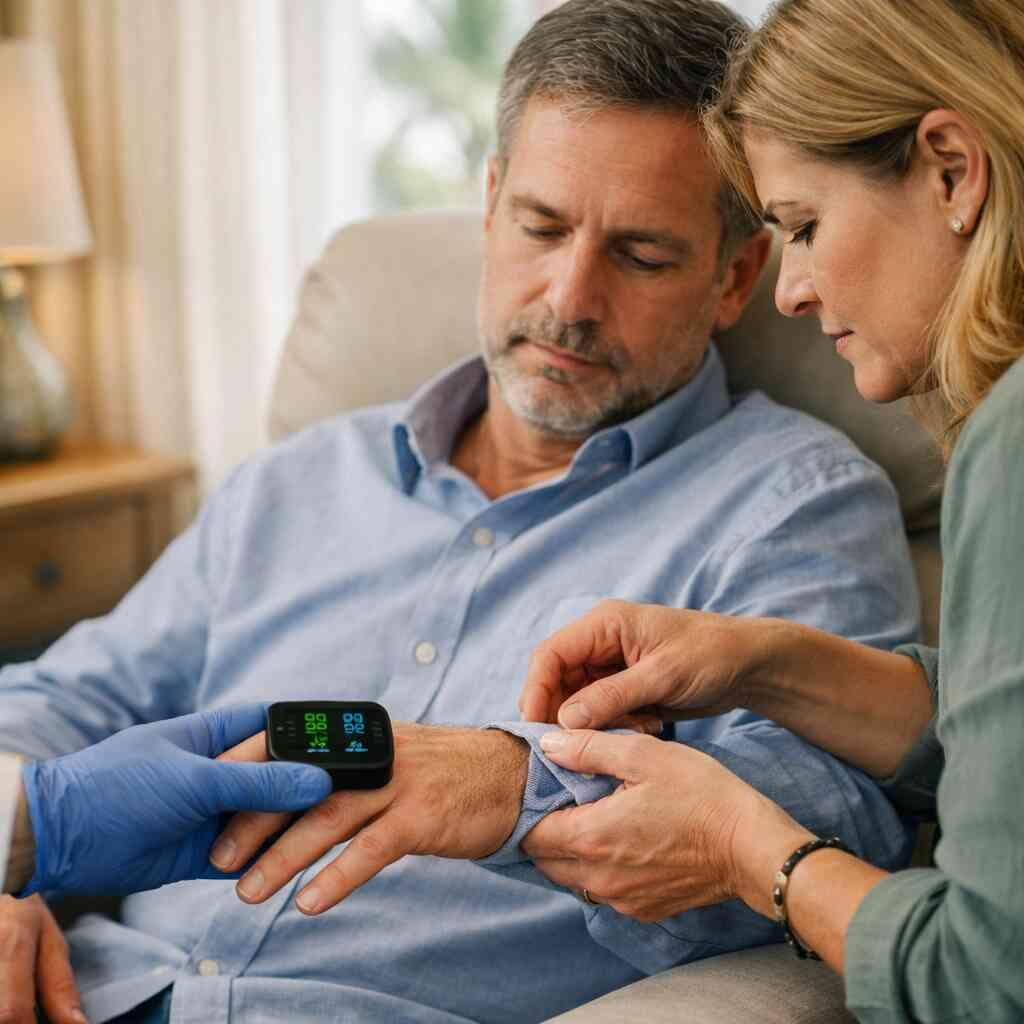
Ketamine Florida Guide to Family Support for Depression
When depression starts changing family routines: what are the signs your support is no longer enough
If depression has quietly taken over your home, you may feel worn down and unsure what counts as “normal.” That uncertainty is heavy. It shows up in missed meals, tense mornings, and conversations that end too quickly. Families often keep adjusting long after the old routines stop working. The hard part is knowing when support needs to become treatment.
How to tell the difference between a hard week and treatment-resistant depression
A hard week usually has a clear cause and a clear end. Treatment-resistant depression, or TRD, looks different. It lingers after medication trials, therapy, and lifestyle changes. The person may still go to work or school, but everything feels slower and flatter. You may also notice sleep changes, irritability, hopelessness, and a loss of interest that does not lift.
One family in Tampa told us their mornings had become “a negotiation with silence.” That detail matters. They were not seeing a simple rough patch. They were seeing depression that had hardened into a pattern. If that pattern lasts, a psychiatric evaluation for depression in Florida can help clarify next steps. It can also help distinguish major depressive disorder from bipolar depression, anxiety, PTSD, OCD, or chronic pain-related distress.
The moments that signal a safety concern, including suicidality and urgent behavior changes
Some changes need urgent attention. Talk of suicide, giving away belongings, severe agitation, sudden recklessness, or refusing all food and fluids can signal danger. So can severe insomnia, panic, or complete withdrawal from family contact. If the person seems disconnected from reality, the situation may be more urgent. Safety comes before strategy.
Here is the part most families miss: suicidal thinking is not always dramatic. Sometimes it sounds calm, even logical. A parent in Orlando once described hearing, “You would be better off without me,” said in an ordinary tone while dinner was on the stove. That is not something to wait out. If you hear that kind of statement, seek immediate help and ask about supporting a loved one with depression in Florida as part of a broader crisis plan.
Why families in Florida often notice the decline before the person does
Families often see the drift first because they see the repeated pattern. You notice the canceled plans, unopened mail, and the way the person stops answering texts. In Florida, long commutes, heat, storms, and seasonal disruptions can add strain that hides the early signs. You may also see people masking symptoms at work while collapsing at home.
We hear this almost every week. A spouse, sibling, or adult child notices the change before the patient names it. That is especially true in South Florida, where life can look polished from the outside while depression grows underneath. If you are trying to make sense of what you are seeing, family support for depression in Florida can help you frame the concern without escalating shame.
What actually helps a loved one before ketamine treatment ever begins
Before any infusion, spray, or clinic visit, the home environment matters. A lot. People who feel judged often delay care. People who feel respected are more likely to accept a psychiatric evaluation, a medication review, and a therapy conversation. That is not softness. That is practical care.
The conversations that reduce shame and make a psychiatric evaluation more likely to happen
Lead with observation, not accusation. Say what you see, not what you think they “should” do. For example, “You seem exhausted most mornings, and I’m worried.” That lands better than “You need to get it together.” Shame closes doors. Curiosity opens them.
A Miami father once told us his daughter agreed to care only after he stopped listing symptoms like a case file. He asked one question instead: “What feels hardest right now?” That changed the tone immediately. If you are ready to encourage care, ask about ketamine therapy for depression in Florida as one possible path, especially when standard treatment has not been enough.
How to talk about medication management, therapy, and family support without sounding confrontational
Use language that connects care to relief. Try saying, “I wonder if a medication review could ease the pressure,” or “Maybe family therapy would make home feel less tense.” Keep it collaborative. Do not stack too many suggestions at once. People in depression often hear overwhelm before they hear hope.
This is also where medication management for depression in Florida matters. A thoughtful review can uncover missed dose issues, side effects, or interactions that muddy the picture. Therapy, family therapy, and medical follow-up work best together. Cognitive behavioral therapy, or CBT, can help with thought patterns. DBT can help with emotional regulation when reactions become intense. Family therapy can reduce the loop of blame, avoidance, and fear.
What support looks like for bipolar depression, anxiety, OCD, PTSD, and chronic pain when depression is part of the picture
Depression rarely arrives alone. It often travels with anxiety, PTSD, OCD, bipolar depression, chronic pain, CRPS, fibromyalgia, or migraine. That complexity changes what support should look like. A person with PTSD may need trauma-informed pacing. A person with bipolar depression may need a careful medication review before any ketamine discussion. Someone with chronic pain may need both pain and mood care, because the two feed each other.
Families sometimes assume one diagnosis explains everything. Usually, it does not. If depression sits beside another condition, support must be broader. In Florida, that may include coordinated care with a ketamine clinic Florida provider, therapy, and psychiatric oversight. For some people, the right plan also includes trauma recovery support, holistic therapy, and clear aftercare.
Why adherence improves when families understand neuroplasticity and the role of ketamine therapy
Adherence improves when treatment makes sense. That is where neuroplasticity matters. Depression can lock the brain into rigid pathways. Ketamine therapy is thought to help loosen those pathways and support new connections. That idea can make treatment feel less mysterious and more actionable. It also helps families understand why consistency matters.
On the projects we have seen this year, the biggest mistake is assuming motivation will magically return first. Often, treatment comes before motivation. Ketamine treatment, especially when paired with psychotherapy and follow-up, can create enough relief for a person to participate again. If you want a deeper look at major depressive disorder care in Florida, start there. It explains why families should see treatment as a process, not a single event.
Why ketamine can feel like a turning point and what Florida families need to expect
Ketamine gets attention because it can work differently from standard antidepressants. That does not mean it is simple. It means the mechanism, setting, and follow-up all matter. Families often feel hopeful and nervous at the same time. That mixed feeling is normal. It is also why clear expectations help.
How ketamine works through NMDA receptor antagonism and rapid neuroplasticity in plain language
Ketamine is an NMDA receptor antagonist. In plain English, it changes how certain brain signals move and may help the brain become more flexible. That flexibility is part of what people mean when they talk about rapid neuroplasticity. Older studies, including the Berman trial and later Murrough research, helped establish why ketamine drew serious psychiatric attention. More recent practice guidelines continue to support its careful use in selected cases. 
This is not about promising miracles. It is about understanding a different tool. For many people with treatment-resistant depression, the goal is a meaningful reduction in symptoms fast enough to re-engage in care. That is very different from claiming a cure. It is also why a ketamine clinic Florida provider should review history carefully first.
IV ketamine, Spravato esketamine, oral ketamine, and intramuscular ketamine compared for real-world use
Different routes have different roles. IV ketamine is commonly used in off-label ketamine care and allows close supervision. Spravato esketamine is FDA-approved for certain depression cases and is often covered more readily by insurance, though access rules still vary. Oral ketamine may be used in some settings, usually with careful medical oversight. Intramuscular ketamine is another clinic-based option, though it is less common in many programs.
OptionSettingCommon considerationsIV ketamineClinic-basedClose monitoring, off-label use, fast onset for some patientsSpravato esketamineCertified clinical settingFDA-approved depression treatment option, insurance pathways may be strongerOral ketamineSupervised careMore variable absorption, careful follow-up neededIntramuscular ketamineClinic-basedQuick administration, monitoring still essentialFor Florida families comparing options, the question is not which sounds newest. It is which fits the diagnosis, safety profile, and access realities. If you need a clearer breakdown, Spravato esketamine treatment in Florida is worth reviewing alongside IV choices. The best plan is individualized, not trendy. ### What guided sessions, dissociation, and side effects of ketamine can feel like during treatment
Guided sessions are calm, monitored appointments. The room is quiet. The staff watches vital signs and checks comfort. Some people feel light, dreamy, or detached. That dissociation can be unsettling if nobody warned them. It is usually time-limited, but it should still be treated seriously.
Side effects may include nausea, blood pressure changes, dizziness, headache, or short-term confusion. Some people describe a psychedelic experience. Others feel almost nothing besides relaxation. The range is wide. If you want to see what guided sessions for mental health care in Florida look like, expect structure, observation, and time for questions. That structure is part of safety, not a sign of coldness.
How quickly does ketamine work, how long do ketamine effects last, and why integration therapy matters afterward
Many families ask the same two questions: how quickly does ketamine work, and how long do ketamine effects last? Some people notice change within hours or days. For others, it takes several sessions. Relief may also fade without follow-up care. That is why ongoing planning matters.
Integration therapy helps turn an altered state into usable insight. Without it, the experience can feel vivid but disconnected. With it, patients can translate relief into habits, boundaries, and next steps. That is where integration therapy after ketamine in Florida becomes important. It helps the brain and daily life move in the same direction. Ketamine-assisted psychotherapy may be part of that plan for some people, especially in structured outpatient care.
What Florida patients should know about safety, ketamine standards, driving after treatment, and insurance coverage
Safety comes first. Florida clinics should screen for medical and psychiatric risks, monitor during treatment, and give clear aftercare instructions. Patients should not drive after treatment. They should have a ride home and avoid major decisions until fully clear. That is true for ketamine therapy side effects and for the dissociative window afterward.
Insurance is another real-world issue. Some plans may cover Spravato more readily than off-label IV ketamine. Coverage varies by plan, diagnosis, and medical necessity. For families in Miami, Orlando, or Tampa, that can shape what is feasible. If coverage is part of your concern, review insurance coverage for ketamine in Florida early, before frustration builds.
The support plan that keeps hope from fading after the clinic visit
The clinic visit is not the finish line. It is the start of a more careful rhythm. Families often feel relief, then pressure to “do everything right.” That pressure can backfire. The better move is steadiness. Small, consistent support beats intense, temporary enthusiasm.
What relapse prevention looks like when the home environment supports recovery instead of pressure
Relapse prevention starts at home. Keep routines simple. Protect sleep. Reduce conflict around meals, appointments, and medication timing. Do not treat every low day as a crisis, but do not ignore warning signs either. If the person is improving, let the improvement breathe.
A Jacksonville spouse once told us the biggest change was dropping the nightly interrogation. Instead, they checked in once, wrote reminders down, and kept the house quieter after treatment days. That reduced tension immediately. It also helped the person keep showing up for care. If your family needs structure, ask your clinic about relapse prevention and follow-up planning for ketamine infusions for severe depression in Florida.
When family therapy, cognitive behavioral therapy, DBT, and holistic therapy make ketamine outcomes more durable
Ketamine can open a window. Therapy helps you use it. Family therapy can reduce blame. CBT can help challenge harsh thinking. DBT can build distress tolerance and emotional steadiness. Holistic therapy may support sleep, movement, and stress reduction. None of these replace medical care. They strengthen it.
If depression coexists with trauma recovery, PTSD, or chronic pain, therapy matters even more. That is why many Florida families pair medical treatment with counseling and medication management. Some also explore ketamine-assisted psychotherapy in Orlando when clinically appropriate. The point is not to collect services. The point is to build a plan that holds.
How to spot ketamine addiction, Special K abuse, ketamine withdrawal, and when rehab for ketamine or detox is the right call
Therapeutic ketamine is different from recreational misuse, but risks still deserve attention. Ketamine addiction, Special K addiction, and Super K abuse can show up as craving, secretive use, dose escalation, memory problems, or continued use despite harm. Withdrawal may involve irritability, insomnia, low mood, and intense craving. Overdose is less common than with some drugs, but it can still be dangerous, especially with mixed substance use.
Repeated misuse can also lead to bladder injury, urinary tract damage, and cognitive effects. That is serious. If you suspect a problem, ask about dual diagnosis care, outpatient program options, or residential treatment when needed. For concerns about misuse, addiction recovery and detox resources should be part of the conversation. If the pattern is escalating, do not wait for it to become a crisis.
What to consider for self-pay, sliding scale, private pay, and financial assistance for ketamine in Florida
Cost matters. So does access. Some families can use insurance. Others are looking at self-pay, sliding scale, or private pay options. Financial assistance may exist, but it varies by clinic and eligibility. Be direct about your budget. That saves time and reduces stress.
Ask about the total cost of care, not just the session price. That includes evaluation, monitoring, follow-up, and any therapy or medication management. If you are comparing options, review cost factors for ketamine therapy details and ask about any available financial assistance pathways. The goal is clarity, not surprises.
How to choose the next move for Miami, Orlando, Tampa, Jacksonville, or West Palm Beach families without guessing
You do not need to solve everything today. Start with the city you can reach most reliably. Miami and South Florida families often want a nearby clinic with consistent follow-up. Orlando and Orange County families may look for structured monitoring and therapy alignment. Tampa, Jacksonville, and West Palm Beach families often weigh travel time against access and insurance fit. Those are practical decisions, not minor ones.
If you are comparing options, make the next move concrete. Review one clinic page, verify one insurance question, and write down three symptoms that worry you most. If you are near the coast and considering a Florida ketamine center, ask how they coordinate safety, aftercare, and family communication. You do not have to figure this out alone, and you do not have to figure it all out today. Start with one phone call.
Frequently Asked Questions
Question: In the blog title Ketamine Florida Guide to Family Support for Depression, what signs suggest a loved one may need a psychiatric evaluation for depression instead of more home support?
Answer: When depression starts disrupting sleep, appetite, work, relationships, or daily routines for more than a short time, it may be time to move from informal family support to a psychiatric evaluation for depression. Warning signs can include hopelessness, withdrawal, irritability, loss of interest, and behavior changes that do not improve with rest, encouragement, or routine adjustments. More urgent concerns include suicidality, refusing food or fluids, severe agitation, or seeming disconnected from reality. At Ketamine Florida, we encourage families to take these changes seriously and use a clinical evaluation to better understand whether the person is dealing with major depressive disorder, treatment-resistant depression, bipolar depression, anxiety, PTSD, or another mood disorder. A proper evaluation helps guide safer and more effective next steps, including medication management for depression and, when appropriate, ketamine therapy for depression.
Question: How does ketamine therapy for depression in Florida work, and when might IV ketamine or Spravato esketamine treatment be considered?
Answer: Ketamine therapy for depression is often considered when standard treatments have not provided enough relief, especially in treatment-resistant depression or TRD. Ketamine works as an NMDA receptor antagonist, which may help the brain become more flexible through neuroplasticity and depression recovery. In practical terms, this can sometimes lead to faster symptom relief than traditional antidepressants, though results vary and no outcome can be guaranteed. Depending on the diagnosis, history, and safety profile, a clinic may discuss IV ketamine, Spravato esketamine treatment, oral ketamine, or intramuscular ketamine. Spravato is an FDA-approved depression treatment option for certain patients, while IV ketamine is typically used as off-label ketamine therapy. At Ketamine Florida, the treatment plan is individualized after a careful review of symptoms, medical history, and any coexisting conditions such as PTSD, OCD, chronic pain, fibromyalgia, CRPS, or migraine.
Question: What should Florida families expect from guided sessions, dissociation during ketamine treatment, and ketamine therapy side effects?
Answer: Guided sessions for mental health care are closely monitored appointments where comfort, safety ketamine standards, and communication are priorities. Some people experience dissociation during ketamine treatment, which may feel dreamy, detached, or altered in perception. Others may describe it as a psychedelic experience, while some feel only mild relaxation. Common ketamine therapy side effects can include nausea, dizziness, headache, blood pressure changes, or short-term confusion. These effects are usually temporary, but they should always be monitored by a clinical team. Families should also know that driving after ketamine treatment is not recommended, so a ride home is necessary. At Ketamine Florida, patients receive clear guidance before and after sessions so they know what to expect from ketamine infusions, how to plan aftercare, and when to contact the clinic if side effect concerns arise.
Question: How do family therapy, CBT, DBT, and integration therapy after ketamine improve long-term outcomes?
Answer: Ketamine treatment can create a window of relief, but lasting progress usually depends on what happens afterward. Family therapy can reduce blame and improve communication strategies for families. Cognitive behavioral therapy support can help challenge negative thought patterns, while DBT for emotional regulation can be useful when distress feels overwhelming. Integration therapy after ketamine helps patients translate insights from treatment into daily routines, boundaries, and healthier coping skills. This is especially important for people managing trauma recovery, PTSD and depression comorbidity, anxiety and depression support needs, or chronic pain and depression. At Ketamine Florida, we view ketamine-assisted psychotherapy, psychotherapy, and aftercare planning as complementary parts of care, not extras. That broader approach can also support relapse prevention for depression and help families feel more grounded between visits.
Question: What do families need to know about insurance coverage ketamine, self-pay ketamine, and financial assistance ketamine in Florida?
Answer: Coverage and cost are often major concerns for families considering ketamine treatment in Florida. Some patients may have insurance coverage ketamine options, especially for FDA-approved depression treatment options like Spravato esketamine, but benefits vary by plan, diagnosis, and medical necessity. Off-label ketamine therapy, including many IV ketamine programs, may be handled differently by insurers. If coverage is limited, some clinics may offer self-pay ketamine, private pay, or sliding scale options, though availability can vary. It is best to ask about the full cost of ketamine therapy, including evaluation, monitoring, follow-up, and any medication management or therapy services. Ketamine Florida encourages families to ask direct questions early so there are no surprises later and to explore any available financial assistance pathways before starting care.
Question: How can families tell the difference between ketamine addiction concerns and therapeutic ketamine treatment, and when is rehab for ketamine or detox needed?
Answer: Therapeutic ketamine used in a supervised clinic is very different from recreational misuse, but families should still know the warning signs of ketamine addiction, Special K addiction, or Super K abuse. These may include cravings, secretive use, increasing doses without medical direction, memory problems, or continued use despite harm. Withdrawal risks can include irritability, insomnia, low mood, and strong cravings, and repeated misuse can contribute to bladder cystitis ketamine concerns, urinary tract damage, and cognitive effects. In more serious cases, rehab for ketamine, detox, residential treatment, outpatient program support, or dual diagnosis care may be appropriate. Ketamine Florida emphasizes safety ketamine practices, honest screening, and coordinated aftercare so families can respond early if misuse becomes a concern. If you are worried, it is important to act sooner rather than later.