Top 5 Ketamine Infusion Questions for Miami Families
-
The question every Miami parent asks before the first infusion
If depression has flattened your home life, you may feel tired before the day even starts. That fear is common. Miami families often ask us for a guide to the top ketamine infusion questions for families in Miami because they want plain answers, not hype. You deserve that. Ketamine treatment can feel unfamiliar at first, especially if you have already tried medication after medication. The good news is that careful education usually makes the path less frightening.
What ketamine infusion therapy is actually doing in the brain and why neuroplasticity matters for mood disorder treatment
Ketamine therapy is not a sedative trick or a shortcut. It works as an NMDA receptor antagonist, which changes glutamate signaling in the brain. That shift may support neuroplasticity, the brain’s ability to form new connections. For people with treatment-resistant depression, that matters because rigid thinking patterns can loosen. Families often notice that explanation feels more concrete than vague promises. A ketamine clinic in Florida should explain that clearly.
In practical terms, ketamine infusions may help some people with major depressive disorder, anxiety, PTSD, OCD, or bipolar depression when standard care has not been enough. That does not mean ketamine is magic. It means the treatment targets brain pathways differently. The first widely discussed clinical report came from early depression studies, and later work helped build the case for modern psychiatric use.
Why Miami families considering ketamine treatment for depression often compare IV ketamine with Spravato esketamine in Florida
This comparison comes up constantly. Families want to know why IV ketamine is often discussed alongside Spravato esketamine in Florida. Spravato is FDA-approved for certain forms of depression, while IV ketamine is commonly used as an off-label ketamine treatment. That difference affects supervision, documentation, and insurance conversations. It also affects how people feel about the process. Some prefer the structure of a branded option. Others want flexibility.
Here is the part most families miss: approval status does not automatically tell you which option fits better. A person with severe symptoms, prior medication failures, and limited time for repeated clinic visits may think differently than someone who wants a narrower pathway. If you want a deeper comparison, this IV ketamine vs. Spravato for depression care resource can help frame the questions. In Miami, the real issue is not prestige. It is fit.
Which symptoms tend to make psychiatrists think about ketamine therapy for treatment-resistant depression, PTSD, OCD, or bipolar depression
Psychiatrists usually think about ketamine when symptoms stay stubborn despite appropriate care. That includes low mood, severe anxiety, intrusive trauma symptoms, obsessive loops, and bipolar depression that has resisted other plans. Some people also report suicidality, which always deserves immediate attention and urgent evaluation. Ketamine is not a first reflex for every patient. It is one option among several when standard approaches have not delivered enough relief.
A careful psychiatrist may also look at sleep disruption, loss of motivation, panic, and a pattern of repeated medication trials. If those details sound painfully familiar, that is because many families live there for months or years. One Coral Gables parent told us her biggest relief was hearing, “Your struggle makes sense.” She had spent so long trying to explain why nothing was working. That conversation mattered before any infusion ever did.
-
Why the dose and setting matter more than the word ketamine itself
The word ketamine can scare people. That is understandable. In reality, ketamine safety planning depends on dose, route, monitoring, and medical judgment. Miami families often feel torn between hope and caution. That tension is healthy. It means you are paying attention. The setting matters because the same drug can be therapeutic in one context and risky in another.
How psychiatric evaluation before ketamine treatment separates a medical treatment plan from a risky guess
A real ketamine plan starts with a psychiatric evaluation. That step helps separate a thoughtful treatment path from a guess. Clinicians review diagnosis, prior medication trials, current medications, substance use history, blood pressure concerns, and any history of psychosis or unstable mania. They also consider whether the person may benefit more from ketamine-assisted psychotherapy, integration therapy after ketamine, or another modality altogether. Good care rarely rushes this part.
If you are comparing options in South Florida, this evaluation becomes even more important because families may also ask about telehealth, travel time, and follow-up logistics. A reputable clinic does not promise what it cannot verify. It should explain the plan, the limits, and the backup options. Here is a simple rule: if the assessment feels superficial, pause. A good plan should feel individualized, not scripted.
What families should understand about dissociation during ketamine treatment and whether hallucinations are expected
Dissociation is one of the most misunderstood parts of ketamine treatment. Some people describe feeling detached, dreamy, or unusually aware of their thoughts. Others feel calmer than expected. Hallucinations are not the goal, and they are not something families should assume will happen. The experience varies by dose, person, and setting. That is why guided sessions matter so much.
A mother from Fort Lauderdale once described sitting in the lobby, worried her husband would “leave reality.” What happened was much milder. He felt floaty, quiet, and inward-focused, then talked about the session as strange but manageable. That is a common pattern. Still, strange is not the same as unsafe. Clear preparation lowers fear before it becomes panic.
Why ketamine safety practices in a ketamine clinic in Florida should include monitoring, guided sessions, and clear side effect planning
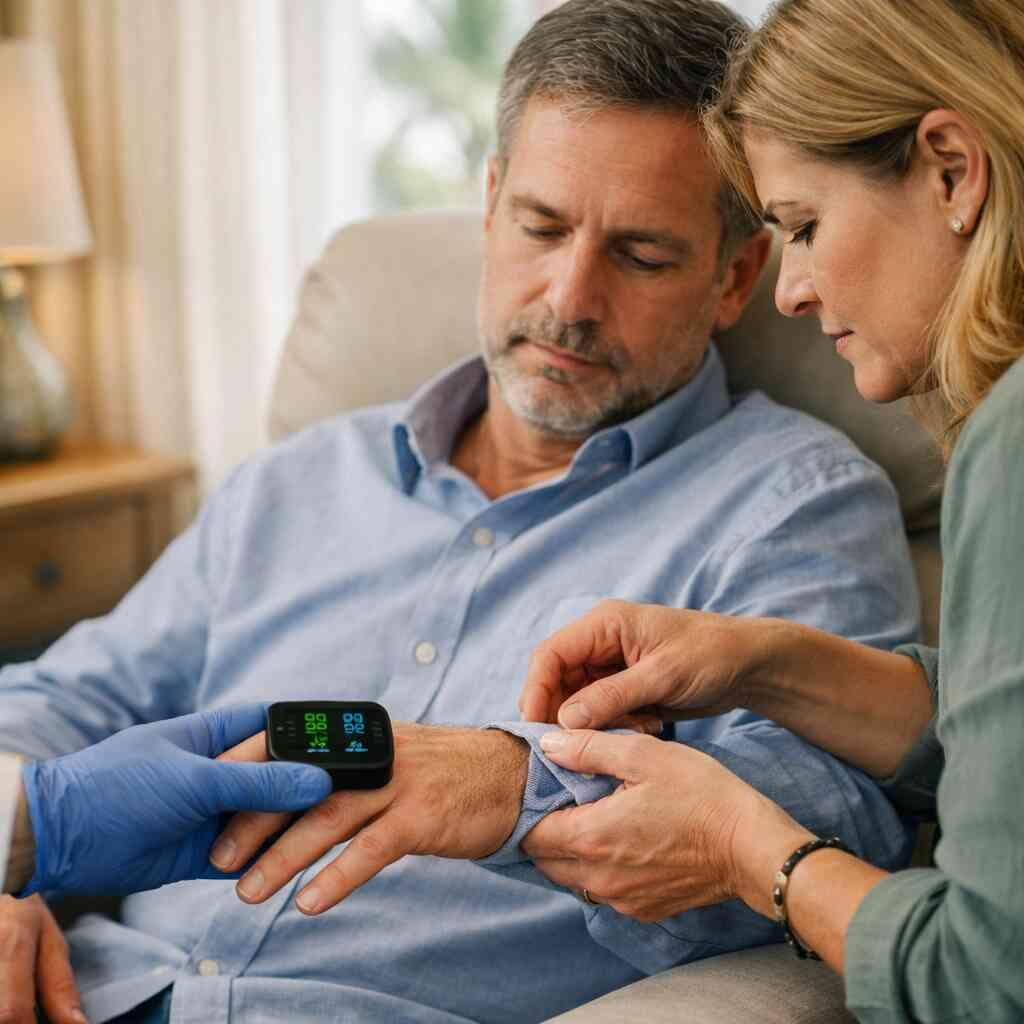
A strong clinic should monitor vital signs, review side effects, and prepare you for the session itself. Side effects can include nausea, temporary blood pressure changes, dizziness, and dissociation. Some people feel tired afterward. Others need more time before driving or returning to work. The most responsible clinics talk about these issues before the first dose, not after the fact. That honesty builds trust.
Families should ask about who is present during treatment, how symptoms are tracked, and what happens if a reaction feels uncomfortable. They should also ask about post-session support, especially if the person is using IV ketamine for anxiety or seeking ketamine therapy for PTSD. If the clinic also coordinates medication management, that can help with continuity. Safety is not a slogan. It is a process.
-
The timing puzzle families want solved before they commit
Timing is one of the hardest questions. Families want to know if relief comes quickly, how long it lasts, and what happens afterward. That uncertainty can be exhausting when you have already waited months for something to work. Ketamine is unusual because some people notice change faster than they expect. Still, fast does not mean automatic or permanent.
How quickly does ketamine work for depression and why the response window can feel surprisingly fast
People ask this more than anything else: how quickly does ketamine work? Some notice a shift within hours or after the first few sessions. Others need more time. That speed is part of what made early ketamine research so striking, including landmark studies that got clinicians’ attention. It also helps explain why families call it a potential bridge when depression feels immovable. 
The response window can feel startlingly fast because the mind is used to slower antidepressant timelines. Still, the result is not usually a single dramatic switch. It may show up as less heaviness, more sleep stability, or a small return of interest. For a parent in Miami juggling work, traffic, and child care, even a slight opening can feel huge. That said, quick response should never be promised. It can be hoped for, not guaranteed.
How long do ketamine effects last after ketamine infusions and why follow-up planning matters
Another common question is how long do ketamine effects last. The honest answer is that it varies. Some people benefit for days or weeks, while others need ongoing sessions or a broader plan. That is why follow-up matters so much. Without aftercare, a good response can fade before the underlying pattern is addressed. Families often feel disappointed when they expected a permanent fix from a short treatment series. On the clinic side, planning may include check-ins, therapy, and medication review. Some patients also benefit from cognitive behavioral therapy, DBT, or holistic therapy after the infusion series. If chronic pain is part of the picture, the plan may include ketamine treatment for chronic pain relief or closer pain management coordination. The most useful question is not “Did it work once?” It is “What comes next if it helps?” ### What changes families should watch for after IV ketamine for anxiety, ketamine therapy for PTSD, or ketamine treatment for chronic pain
After treatment, families may watch for better sleep, less emotional shutdown, reduced panic, or improved engagement. Sometimes the change is subtle at first. A person may answer texts again, sit at dinner longer, or tolerate appointments without spiraling. Those are not small things. They are often the first signs that the brain is moving differently. For ketamine for CRPS, ketamine for fibromyalgia, or ketamine for migraine relief, the change may show up more in pain tolerance than mood.
A local dad from North Miami told us he noticed his wife started taking morning walks again. Nothing dramatic happened. No fireworks. Just movement, then conversation, then better mornings. That kind of shift can matter enormously. The key is tracking it, not guessing. Families should note what improved, what stayed the same, and what still needs support.
-
The fork in the road between Spravato, IV ketamine, oral ketamine, and intramuscular ketamine
This is where many households get stuck. The choices sound similar, but the experience can be very different. You may be comparing supervision, convenience, insurance, and long-term planning all at once. That is a lot. It helps to look at each option on its own terms, not as a personality contest between treatments.
OptionMain featureCommon considerationSpravato esketamineFDA-approved nasal treatmentOften tied to strict clinic monitoring and insurance reviewIV ketamineInfusion through a veinFlexible, but usually off-labelOral ketamineTaken by mouthEasier logistics, but different absorptionIntramuscular ketamineInjection into muscleFaster than oral for some, less common than IV### When FDA-approved Spravato may fit better than off-label ketamine treatment for a Miami household
Spravato may fit well when a family wants an FDA-approved pathway for certain depression diagnoses. It also has a defined clinical structure, which some people find reassuring. For others, that structure feels restrictive. The choice depends on diagnosis, history, access, and goals. If your family is comparing Spravato Medicare coverage or commercial insurance questions, the paperwork side can matter almost as much as the medicine.
Many Miami families also ask about safety and convenience at the same time. That is reasonable. If the person cannot tolerate frequent travel, or if the clinic relationship matters a great deal, a different route may make more sense. Spravato is not “better” by default. It is simply better suited for some people than others.
What IV ketamine vs. Spravato means in real life for administration, supervision, and insurance coverage ketamine questions
IV ketamine vs. Spravato comes down to administration and oversight. IV ketamine is delivered through a vein, while Spravato is given in the clinic as a nasal medication with required observation. Both require careful supervision. Both can create dissociation. Both can raise practical questions about transportation afterward, especially if you are used to handling everything yourself.
Insurance is another major difference. Some patients find insurance coverage for ketamine therapy more straightforward with Spravato because it is FDA-approved for specific indications. Others may still face delays or prior authorization. With IV ketamine, self-pay ketamine and private pay are more common. If cost is a concern, ask directly about ketamine therapy cost and insurance coverage in Florida and any financial assistance for ketamine therapy options. Families deserve clear numbers, not surprises.
Where oral ketamine and intramuscular ketamine fit for families asking about convenience, cost of ketamine therapy, and long-term planning
Oral ketamine and intramuscular ketamine can be useful in selected cases, but they are not interchangeable with IV treatment. Oral dosing may be more convenient, though absorption can be less predictable. Intramuscular dosing can be practical when a clinic wants a different delivery method. If you want a deeper comparison, this oral and intramuscular ketamine options guide is a useful place to start.
Families also ask about long-term planning because convenience without follow-up can backfire. A cheaper option is not always the wiser option if monitoring is weak. Some people also discuss ketamine therapy in Miami for treatment-resistant depression support alongside therapy and medication review. The right path should fit your life, not just your schedule. That distinction matters more than most brochures admit.
-
The hidden family questions nobody wants to ask out loud
This is the section many people skip, then ask about later in private. The concern is understandable. Ketamine has a medical role, but it also has a recreational reputation. Families worry about dependence, misuse, and long-term harm. Those worries should be addressed directly. Avoiding them helps no one.
Whether ketamine is addictive and how ketamine addiction differs from supervised ketamine therapy
People often ask, is ketamine addictive? The short answer is that misuse can absolutely become a problem, especially with repeated unsupervised use. But supervised ketamine therapy is different from recreational use patterns. Medical treatment uses screening, dosing, and monitoring to reduce risk. That does not eliminate risk. It does change the context dramatically.
Ketamine addiction concerns should be taken seriously, especially if someone has a history of substance use disorder. If you are looking for treatment alongside recovery support, Ketamine Florida also addresses ketamine misuse, withdrawal, and addiction concerns. In Miami, where party culture and stress can overlap, honest screening matters. The question is not shame. It is safety.
What special K abuse, ketamine withdrawal, ketamine overdose, bladder cystitis ketamine, and cognitive effects mean for long-term safety
Recreational Special K abuse or Super K abuse can lead to serious harm. Repeated misuse has been linked to bladder cystitis ketamine, urinary tract damage, memory problems, and other cognitive effects. Ketamine withdrawal may include irritability, cravings, sleep disruption, and distress. A ketamine overdose can become dangerous, especially when mixed with other substances. These are real risks, not scare tactics.
The long-term picture is why screening and follow-up matter so much. If someone is using ketamine outside medical supervision, the body and brain can pay a heavy price. That is especially important for families trying to understand long-term effects ketamine may have if used poorly. The message here is simple: context changes everything. A clinic visit is not the same as misuse, but the drug itself still deserves respect.
Why rehab for ketamine misuse may involve detox, outpatient program, dual diagnosis care, family therapy, and relapse prevention
When misuse becomes entrenched, rehab for ketamine misuse may be necessary. That process can include detox, a residential treatment stay, or an outpatient program, depending on severity. If depression, trauma, or anxiety are also present, dual diagnosis care is often the better fit. Families may also benefit from family therapy, because recovery affects everyone in the house. Relapse prevention should start early, not after a setback.
Here is where Florida families often need real guidance, not moralizing. If a loved one is stuck between pain, misuse, and fear, a skilled team can help sort the layers. Ketamine Florida also serves people who need recovery support through structured care, including ketamine misuse, withdrawal, and addiction concerns and detox planning. You do not have to solve every layer today. Start with one honest conversation, then get the right evaluation.
Frequently Asked Questions
Question: What should Miami families know before starting ketamine infusion questions for Miami families at a ketamine clinic Florida?
Answer: Before starting ketamine therapy, the most important step is a thorough psychiatric evaluation before ketamine treatment. A reputable ketamine clinic Florida should review the person’s diagnosis, past treatments, current medications, medical history, blood pressure concerns, and any history of psychosis, mania, or substance use. This helps determine whether ketamine treatment for depression, treatment-resistant depression support, IV ketamine for anxiety, ketamine infusions for PTSD, ketamine therapy for OCD, or ketamine treatment for bipolar depression may be appropriate. Families should expect a careful, individualized conversation rather than a rushed decision. Ketamine Florida’s approach is designed to be compassionate and medically supervised, with safety ketamine practices, guided sessions, and clear discussion of ketamine therapy side effects. That kind of preparation helps Miami families feel more informed and less overwhelmed.
Question: Will I hallucinate on ketamine, and what does dissociation during ketamine treatment usually feel like?
Answer: Most people do not experience full hallucinations, but some do notice dissociation during ketamine treatment. That can feel like being dreamy, detached, unusually inward-focused, or aware of thoughts in a different way. The experience varies based on the dose, route, and setting, whether the treatment is IV ketamine, oral ketamine, or intramuscular ketamine. At a medical setting like Ketamine Florida, the goal is not a psychedelic experience for its own sake, but a safe and monitored therapeutic session. Families asking about will I hallucinate on ketamine should know that guided sessions, close monitoring, and clear preparation usually reduce fear and make the process more manageable. If ketamine-assisted psychotherapy or integration therapy after ketamine is part of the plan, the experience can be discussed in a structured way that supports emotional healing without overstating what ketamine can do.
Question: How quickly does ketamine work, and how long do ketamine effects last after ketamine infusions?
Answer: Some people notice changes within hours or after the first few ketamine infusions, while others need several sessions before a shift becomes clear. That faster response is one reason ketamine therapy has gained attention for mood disorder treatment, major depressive disorder, TRD, suicidality, PTSD, anxiety, and chronic pain. Still, no clinic should guarantee results or promise a specific timeline. The question how long do ketamine effects last depends on the person, the condition being treated, and whether follow-up care is in place. For some, benefits may last days or weeks; for others, ongoing treatment or aftercare may be needed. A strong plan may include medication management, cognitive behavioral therapy, DBT, holistic therapy, or integration therapy after ketamine to help support longer-term progress. Families in Miami should think of ketamine as one part of a broader mental wellness plan, not a stand-alone cure.
Question: What is the difference between IV ketamine vs Spravato, and how do insurance coverage ketamine and self-pay ketamine options work in Florida?
Answer: IV ketamine vs Spravato is one of the most common questions families ask. Spravato esketamine in Florida is FDA-approved for certain depression cases, while IV ketamine is generally considered off-label ketamine treatment. Both require medical supervision, but the administration and clinic workflow differ. Spravato may appeal to families who want an FDA-approved option with a highly structured process, while IV ketamine may offer more flexibility for certain treatment plans. Insurance coverage ketamine can also differ between the two, and some families find that Spravato Medicare coverage or commercial coverage is easier to navigate than private-pay IV ketamine. At the same time, self-pay ketamine, private pay, sliding scale, and financial assistance for ketamine therapy may be relevant depending on the clinic and the patient’s needs. Because exact pricing and insurance approval vary, Ketamine Florida encourages families to ask directly about cost of ketamine therapy and coverage details during consultation rather than assume one option will be cheaper or better.
Question: Is ketamine addictive, and what should families know about ketamine withdrawal, ketamine overdose risk, and rehab for ketamine misuse?
Answer: Is ketamine addictive is a very reasonable question, especially for families who are cautious about any medication with a recreational reputation. Supervised ketamine therapy is very different from Special K abuse or Super K abuse, but misuse can absolutely become dangerous. Repeated unsupervised use may contribute to ketamine addiction concerns, ketamine withdrawal symptoms, ketamine overdose risk, bladder cystitis ketamine, urinary tract damage, and cognitive effects. If someone is using ketamine outside medical supervision, they may need rehab for ketamine, detox, residential treatment, outpatient program support, dual diagnosis care, family therapy, and relapse prevention planning. Ketamine Florida takes these concerns seriously and understands that safety includes both screening and follow-up. Families should feel comfortable asking honest questions about long-term effects ketamine may have, especially if there is a history of substance use or if the person is also dealing with depression, trauma, or anxiety.
Question: What are the main benefits of ketamine therapy in Miami for chronic pain ketamine therapy, ketamine for CRPS, ketamine for fibromyalgia, and ketamine for migraine relief?
Answer: Ketamine therapy in Miami is used not only for mood disorders but also for certain chronic pain conditions, including chronic pain ketamine therapy, ketamine for CRPS, ketamine for fibromyalgia, and ketamine for migraine relief. Ketamine works as an NMDA receptor antagonist, which may help change pain signaling and support neuroplasticity in ways that differ from traditional treatments. That is why some people who have not responded well to other care ask about ketamine infusions for pain as well as mood. A careful clinic should explain that ketamine is not guaranteed to help every person, and it should not be presented as a miracle solution. Instead, families should expect a thoughtful plan that may include psychiatric evaluation, medication management, and coordination with other providers when appropriate. For Miami and South Florida families, the most trustworthy option is one that balances hope with medical caution, explains the limits clearly, and offers a patient-centered path forward.