The Unseen Wounds of Service: Why Traditional PTSD Treatments Often Fall Short for Veterans
Understanding the Unique Trauma Signature of Combat and Military Service
Combat trauma is not a single event. It is a sustained, layered exposure to life-threatening situations, moral conflict, and hypervigilance that rewires the nervous system over months or years. Veterans returning from deployment often carry a trauma signature that differs fundamentally from civilian PTSD. This signature includes repeated exposure to blast injuries, loss of comrades, and the constant pressure of making split-second decisions with lethal consequences. The brain becomes locked in a state of threat detection, unable to distinguish between a safe home environment and a combat zone. For many veterans, this means a persistent sense of danger that never fades.
Traditional talk therapy assumes the patient can access and verbalize traumatic memories in a linear way. Combat trauma rarely cooperates with that assumption. The memories are fragmented, somatic, and stored in ways that bypass the language centers of the brain. A veteran may not remember the details of an ambush but will still feel the physical terror when a car backfires. This disconnect between cognitive understanding and physiological response explains why many veterans feel broken by therapies that work for others. The standard model of exposure therapy can even retraumatize someone whose nervous system is already overwhelmed.
You may have tried therapy sessions that left you feeling worse instead of better. That is not a failure of your effort or courage. It is a mismatch between the treatment model and the nature of your trauma. Military service creates a unique neurobiological footprint that requires a treatment approach capable of addressing both the psychological and the biological dimensions of PTSD. Without addressing the underlying neural circuitry, even the most skilled therapist faces an uphill battle.
Veterans also carry the burden of institutional betrayal. Many trusted the military and the Department of Veterans Affairs to provide care after service. When those systems fail, the wound deepens. This adds a layer of distrust that complicates any therapeutic relationship. Finding a provider who understands military culture and the specific challenges of combat trauma is essential for building the safety needed to heal.
The Limits of Standard Therapies: Cognitive Behavioral Therapy and SSRIs in Veteran Populations
Cognitive behavioral therapy (CBT) remains one of the most widely prescribed treatments for PTSD among veterans. It teaches you to identify distorted thinking patterns and replace them with more realistic appraisals of danger. For some, this approach offers meaningful relief. However, the data on CBT specifically for combat-related PTSD is less encouraging. A 2018 meta-analysis in the Journal of Traumatic Stress found that effect sizes for CBT in military populations were significantly smaller than those observed in civilian trauma survivors. The structured, top-down nature of CBT often fails to reach the subcortical brain regions where combat trauma resides.
Selective serotonin reuptake inhibitors (SSRIs) like sertraline and paroxetine are the only FDA-approved medications for PTSD. Yet their efficacy in veterans is modest at best. The American Psychiatric Association notes that SSRIs may take six to eight weeks to produce any noticeable improvement, and even then, only about 60 percent of patients experience a clinically meaningful response. For veterans who have been on multiple medication trials with little to no relief, the term “treatment-resistant” begins to feel like a personal indictment rather than a clinical observation.
The problem is not that you are resistant. The problem is that the tools being offered were never designed for the complexity of combat trauma. SSRIs work primarily on serotonin reuptake, a mechanism that has little to do with the glutamatergic dysfunction now believed to underlie PTSD. The brain of a combat veteran operates in a state of chronic NMDA receptor dysregulation, which standard antidepressants do not address. This explains why so many veterans cycle through medications without lasting improvement.
If you have tried CBT, prolonged exposure therapy, and multiple SSRIs without durable relief, you are part of a large and underserved population. The standard of care has not kept pace with the science of trauma. The good news is that a newer generation of treatments is emerging, one that targets the brain’s core signaling pathways rather than peripheral neurotransmitter systems. Ketamine therapy represents that shift.
Treatment-Resistant PTSD: When Conventional Protocols Lose Their Efficacy
Treatment-resistant PTSD is not an official diagnosis in the DSM-5, but it is a lived reality for thousands of Florida veterans. The definition generally applies when a patient has not responded to at least two adequate trials of evidence-based therapy, including both psychotherapy and pharmacotherapy. For veterans, that often means years of trying every option the VA offers before being told nothing else is available. The emotional toll of that experience cannot be overstated. Each failed treatment can reinforce a sense of hopelessness.
The neurobiology of treatment-resistant PTSD involves persistent overactivation of the amygdala, reduced hippocampal volume, and disrupted connectivity between the prefrontal cortex and limbic system. These structural and functional changes are not easily reversed by weekly talk therapy or daily pills. The brain has adapted to survive trauma, and those adaptations are stubborn. They require an intervention capable of inducing rapid neuroplastic change. That is precisely what ketamine offers.
Ketamine acts on the NMDA receptor, a glutamate receptor that plays a central role in synaptic plasticity and memory formation. By blocking this receptor, ketamine triggers a cascade of cellular events that promote the growth of new dendritic spines and the strengthening of weakened neural connections. This is not a subtle effect. The 2000 Berman et al. study demonstrated that a single subanesthetic dose of ketamine produced significant reductions in depressive symptoms within 72 hours. Subsequent research has confirmed similar rapid effects for PTSD symptoms.
For veterans who have been told their condition is chronic and untreatable, the speed of ketamine’s action is nothing short of revolutionary. Patients often report feeling a shift in their baseline anxiety or hypervigilance after the first or second infusion. This does not mean the trauma is erased. It means the brain becomes more receptive to therapeutic work in a way that was previously inaccessible. Treatment-resistant no longer means hopeless.
The Role of Moral Injury and Complex Trauma in Veteran Suicidality
Moral injury is distinct from fear-based PTSD. It arises when a veteran acts in ways that violate their own deeply held ethical beliefs or witnesses others committing acts that contradict their moral framework. This is common in combat zones where orders may conflict with personal values. The resulting shame, guilt, and self-condemnation are powerful drivers of suicidal ideation. The Department of Veterans Affairs has identified moral injury as a critical risk factor for veteran suicide, yet many standard PTSD treatments do not adequately address it.
Complex trauma adds another layer. Many veterans come from backgrounds that include childhood adversity, prior trauma, or unstable attachment histories. When combat trauma lands on already vulnerable nervous systems, the result is a complex presentation that does not fit neatly into diagnostic boxes. Dissociation, emotional dysregulation, and chronic suicidality become the norm rather than the exception. These veterans require a treatment approach that can hold the complexity of their experience without pathologizing their survival strategies.
Ketamine’s unique ability to reduce suicidality within hours makes it a critical intervention for veterans in crisis. The Ketamine Florida team has seen firsthand how a single infusion can lower the intensity of suicidal thoughts, buying the time needed for deeper therapeutic work. It is not a cure for moral injury, but it creates a window of reduced suffering during which a veteran can engage with the psychological and spiritual dimensions of their pain.
The ethical imperative is clear. Veterans who are dying by suicide at alarming rates deserve access to treatments that work quickly and effectively. Without intervention, the cycle of shame, isolation, and self-destruction continues. When you find a clinic that understands both the science of ketamine and the soul of the veteran experience, the path forward opens.
Ketamine Therapy as a Neuroplastic Catalyst: Rewiring the Traumatized Brain
How NMDA Receptor Antagonism Resets Maladaptive Neural Pathways
The NMDA receptor is a gatekeeper for synaptic plasticity. When trauma chronically overstimulates this receptor, the brain strengthens fear circuits while weakening pathways associated with safety and regulation. This is why a veteran can logically know they are safe but still feel terrified. The neural wiring has been reinforced for survival, not for peace. Ketamine temporarily blocks the NMDA receptor, which interrupts this pathological signaling long enough for the brain to form new connections.
What happens next is remarkable. The blockade causes a surge in glutamate release, which then activates AMPA receptors and triggers a cascade of neurotrophic factors like brain-derived neurotrophic factor (BDNF). BDNF acts like fertilizer for neurons, promoting the growth of synapses and the pruning of maladaptive ones. This process is called synaptogenesis, and it is the biological basis for why ketamine works when other treatments fail.
This mechanism of action is entirely different from SSRIs or benzodiazepines. Those medications modulate neurotransmitter levels without fundamentally changing neural structure. Ketamine, by contrast, induces physical remodeling of the brain within hours of administration. For a veteran whose brain has been stuck in a trauma loop for years, this reset is often the first real relief they have experienced.
The term “NMDA receptor antagonist” may sound like complex pharmacology, but its meaning is straightforward. Ketamine turns down the volume on a receptor that has been screaming trauma signals at the brain. Once the noise drops, the brain can begin learning new patterns. That is not an abstract concept. It is measurable through functional imaging studies that show increased prefrontal cortex activity and decreased amygdala reactivity after ketamine treatment.
Neuroplasticity and Trauma Recovery: The Science of Rapid Synaptic Growth
Neuroplasticity is the brain’s ability to reorganize itself by forming new neural connections throughout life. Trauma suppresses this ability, locking the brain into rigid response patterns that are difficult to break. Chronic stress hormones like cortisol damage hippocampal neurons and inhibit BDNF production. The brain literally shrinks in areas responsible for memory, emotional regulation, and contextual learning. This is not a character flaw. It is a biological consequence of prolonged trauma exposure.
Ketamine reverses this trend by rapidly increasing BDNF and promoting synaptogenesis. The 2013 Murrough et al. pivotal trial demonstrated that ketamine produced significant antidepressant effects within 24 hours, with benefits lasting up to a week after a single infusion. For veterans, this means the brain can begin the work of reconsolidating traumatic memories in a safer context. The memory does not disappear, but its emotional charge diminishes.
This is where ketamine-assisted psychotherapy becomes essential. The pharmacological window created by ketamine allows a veteran to access traumatic material without being overwhelmed by it. They can observe their own trauma narrative from a place of safety, which is the foundation of lasting change. Without this window, many veterans are too activated to benefit from therapy. With it, they can finally do the work they have been trying to do for years.
The concept of neuroplasticity is not just academic. It gives veterans a reason to hope. If the brain can learn trauma, it can unlearn it. Ketamine provides the biological conditions for that unlearning to happen at a speed previously thought impossible. For those who have been told their brain damage is permanent, this evidence offers a real alternative.
Dissociation as a Therapeutic Tool: Recontextualizing the Psychedelic Experience in Guided Sessions
The word dissociation scares many veterans. It reminds them of the numbing detachment they experience during flashbacks or dissociative episodes triggered by stress. However, the dissociation induced by ketamine in a controlled clinical setting is fundamentally different. It is not a loss of control. It is a temporary, reversible state of detached awareness that allows the brain to observe its own processes without reactivity.
In guided ketamine sessions, this dissociative state becomes a therapeutic asset rather than a symptom. You may feel as though you are floating outside your body or watching your life from a distance. This perspective shift can help you see traumatic memories from a new angle, one that is less emotionally charged. The experience is often described as having the space to breathe inside a memory that previously suffocated you.
Clinicians trained in ketamine-assisted psychotherapy understand how to work with this state. They do not leave you to navigate it alone. Instead, they guide you toward insights that would be inaccessible in normal waking consciousness. The goal is not to induce hallucinations for their own sake, but to use the psychedelic experience as a catalyst for cognitive and emotional reframing.
This recontextualization of dissociation is a paradigm shift in trauma treatment. Instead of pathologizing every altered state, clinicians recognize that some forms of dissociation can be healing when properly supported. For veterans who have spent years trying to stay in control, surrendering to a guided session can feel counterintuitive. Yet it is often the surrender itself that unlocks recovery.
IV Ketamine, Spravato Esketamine, and Intramuscular Options: Which Delivery Method Best Serves Combat PTSD
Not all ketamine is the same. The delivery method significantly affects onset time, duration of effect, and patient experience. IV ketamine infusions deliver a precise, continuous dose over about 40 minutes. This allows for careful titration and is the most studied route for PTSD treatment. It also produces the highest bioavailability, meaning more of the medication reaches the brain. For veterans with severe, chronic PTSD, IV therapy often provides the most robust and predictable response.
Spravato esketamine is the FDA-approved nasal spray for treatment-resistant depression. It is also used off-label for PTSD in many clinics. Spravato is covered by more insurance plans than IV ketamine, including some Medicare plans. However, it has lower bioavailability and may require more frequent dosing. For veterans who struggle with needles or who need an easier access point, Spravato offers a viable alternative. The 2019 FDA breakthrough therapy designation for esketamine underscores its legitimacy as a treatment option.
Intramuscular (IM) ketamine injections offer a middle ground. The dose is given as a single shot, with effects lasting slightly longer than IV but with less precise control over the experience. Some veterans prefer IM because it avoids the need for IV placement and the associated medical setting. Others find the intensity of the onset less comfortable. The choice depends on individual physiology, treatment history, and personal preference.
Oral ketamine lozenges or tablets exist but are less commonly used for severe PTSD due to variable absorption. They may play a role in maintenance therapy for some patients. The key is that Ketamine Florida offers a full range of options so that each veteran can find the protocol that works for them. There is no one-size-fits-all approach to combat PTSD, and the treatment plan should reflect that reality.
The Ketamine Florida Protocol: A Specialized Approach to Veteran PTSD Care
Personalized Treatment Plans: From Initial Psychiatric Evaluation to Integration Therapy
The first step at Ketamine Florida is not an infusion. It is a thorough psychiatric evaluation that explores your full history, including trauma exposure, previous treatments, substance use, and current symptoms. This evaluation determines whether ketamine is appropriate for you and which delivery method might work best. It also identifies any co-occurring conditions like bipolar depression, OCD, or chronic pain that may need simultaneous attention.
The evaluation process is collaborative. You will not be talked down to or rushed through a checklist. The team listens to your story and considers your goals for treatment. For veterans who have been dismissed or misdiagnosed in other settings, this respect is often a relief. The goal is to build a treatment plan that fits your life, not to force you into a one-size-fits-all protocol.
Integration therapy is a core component of this plan. The ketamine infusion opens a window of neuroplasticity, but that window must be used intentionally. Integration sessions help you process insights gained during the infusion, apply them to daily life, and build new habits of thought and behavior. This is where the lasting change happens. Without integration, the benefits of ketamine may fade over time.
Integration is not just talking about your experience. It involves practical strategies for managing triggers, rebuilding relationships, and finding meaning after trauma. The Ketamine Florida team includes licensed psychotherapists who specialize in trauma recovery. They understand that the work does not end when the IV is removed. It begins.
Ketamine-Assisted Psychotherapy: Merging Pharmacological Relief with Trauma-Focused Work
Ketamine-assisted psychotherapy (KAP) is the gold standard for treating combat PTSD with ketamine. It combines the neurobiological reset of the infusion with focused therapeutic work before, during, and after the session. This approach is more effective than simply giving the medication alone. The KAP model recognizes that trauma is both a biological and a psychological wound, and both dimensions require active treatment.
Before the session, the therapist helps you set an intention. This is not about forcing a specific outcome. It is about orienting your mind toward areas of healing that matter most to you. During the infusion, the therapist stays present to provide support and guidance as needed. After the peak experience, you have time to discuss what arose and how it connects to your life.
For veterans who have experienced moral injury, KAP can be particularly powerful. The ketamine state often allows access to shame and guilt that has been buried for years. With the therapist’s support, you can examine these feelings without being consumed by them. This process can lead to genuine self-forgiveness, which is often the missing piece in conventional therapy.
The evidence base for KAP is growing. Studies show that combining ketamine with psychotherapy produces larger and more durable effects than ketamine alone. For veterans, this means treatment is not just about symptom relief. It is about transformation. The goal is to leave behind the identity of the traumatized soldier and step into a new chapter of life.
Safety and Monitoring: Managing Side Effects, Dissociation, and the Risk of Bladder Cystitis
Safety is the top priority at Ketamine Florida. Every infusion takes place in a medically supervised setting with continuous monitoring of heart rate, blood pressure, and oxygen saturation. The staff are trained to manage the dissociative effects of ketamine, ensuring you remain safe and comfortable throughout the session. You will never be left alone while under the influence of the medication.
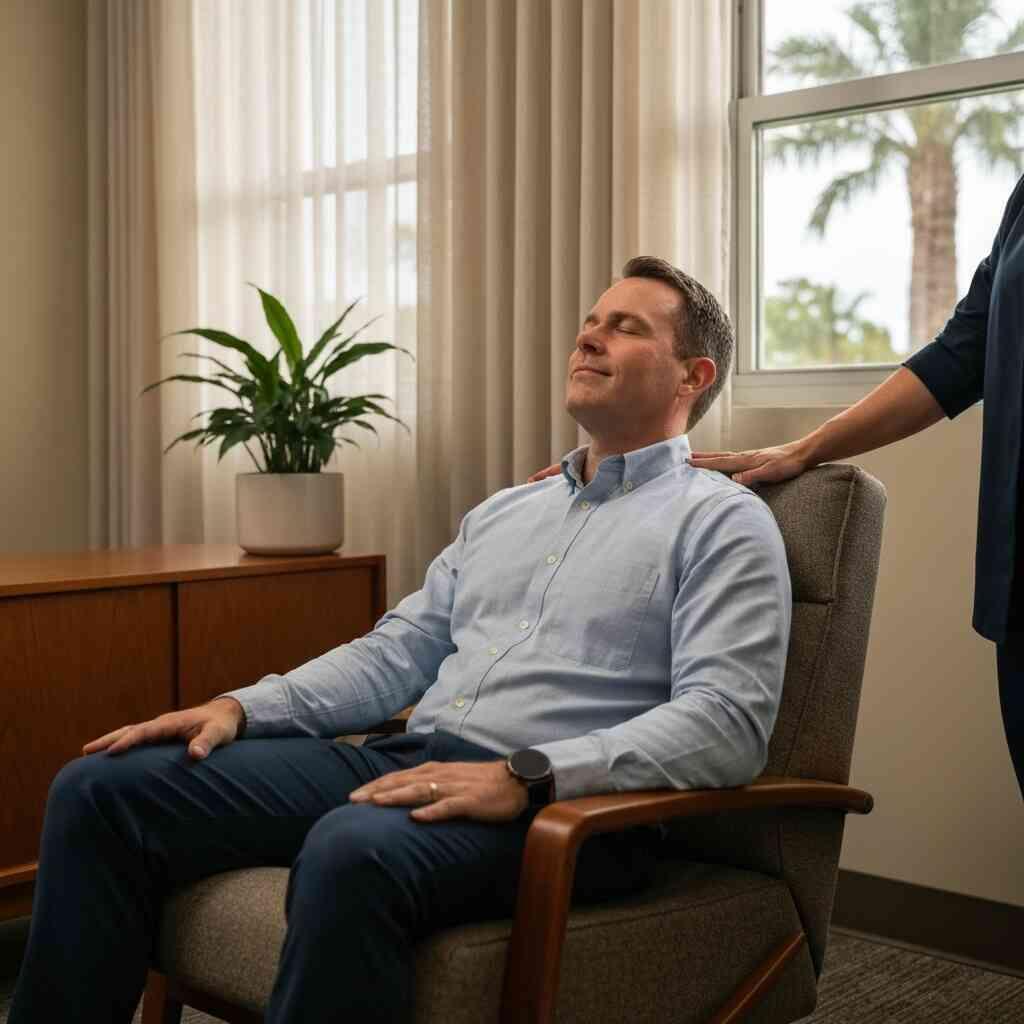
Common side effects of ketamine therapy include temporary nausea, dizziness, and blurred vision. These are usually mild and resolve quickly after the infusion ends. The dissociative experience can feel intense for some, but staff prepare you for what to expect and support you through it. For veterans who have experienced trauma involving loss of control, the careful pacing of the experience is essential.
A more serious concern with chronic, high-dose ketamine use is bladder cystitis and urinary tract damage. This risk is associated with heavy recreational use, not with medically supervised therapeutic dosing at standard intervals. Ketamine Florida follows strict dosing protocols to minimize this risk. Patients are also educated about the signs of bladder irritation and encouraged to stay hydrated. For more details, see the Ketamine Florida 2026 Guide to Managing Treatment Side Effects.
Long-term effects of repeated ketamine infusions are still being studied, but the existing data supports its safety when used as prescribed. Cognitive effects have been reported in heavy recreational use, but therapeutic dosing has not been shown to cause permanent cognitive decline. The clinic emphasizes monitoring for any changes and adjusting treatment accordingly. Your safety is not negotiable.
Dual Diagnosis Support: Addressing Co-Occurring Substance Use and Ketamine Addiction in Veterans
Many veterans with PTSD turn to alcohol, opioids, or other substances to manage their symptoms. This pattern of dual diagnosis complicates treatment but does not make it impossible. Ketamine Florida screens for substance use disorders during the initial evaluation and creates a plan that addresses both the trauma and the addiction simultaneously. Treating one without the other leads to relapse.
For veterans who have developed a pattern of Special K abuse or Super K misuse outside of medical supervision, the clinic offers structured addiction recovery support. This includes referral to detox programs, residential treatment, and outpatient programs as needed. The goal is to stabilize the addiction first so that ketamine therapy can be used safely and effectively as a psychiatric treatment.
The risk of developing ketamine addiction from therapeutic use is low when protocols are followed. However, the clinic monitors for signs of misuse and sets clear boundaries around the treatment schedule. Patients are educated about the difference between therapeutic use and recreational abuse. Family therapy is available to help rebuild trust and support recovery at home.
Dual diagnosis treatment requires an integrated team that includes psychiatrists, addiction specialists, and therapists. Ketamine Florida coordinates care with external providers when necessary to ensure continuity. The understanding is that healing from trauma often means healing from addiction too. Both journeys are honored here. Learn more about Ketamine Florida Recovery Paths for Dual Diagnosis Patients.
Navigating Access, Cost, and Insurance for Veterans Seeking Ketamine Therapy in Florida
Understanding Insurance Coverage for Spravato Esketamine and Off-Label IV Ketamine
Insurance coverage for ketamine therapy is improving but still varies widely by plan. Spravato esketamine is FDA-approved and covered by many private insurers and Medicare Part B or D with prior authorization. The clinic’s team works with veterans to determine whether their specific plan covers Spravato and helps navigate the approval process. This reduces the burden on you during an already difficult time.
Off-label IV ketamine is not typically covered by insurance because it is not FDA-approved for psychiatric conditions. However, some commercial plans have started to offer partial reimbursement after appeal. The clinic provides documentation and support for these appeals. Veterans are also encouraged to check with their state’s VA community care network for potential coverage of ketamine infusions.
The difference in coverage often influences which delivery method a veteran pursues. Spravato requires you to remain at the clinic for two hours of observation after administration, which can be a barrier for those with transportation or work constraints. IV ketamine has a shorter observation period but higher upfront cost. The clinic’s financial counselors help you understand the full picture before you commit to a plan.
For veterans with Tricare or other military-specific insurance, coverage varies by region and plan. Some Tricare plans cover Spravato for depression with prior authorization. The team can verify benefits before your first appointment so there are no surprises.
Cost of Ketamine Therapy in Florida: Self-Pay, Sliding Scale, and Financial Assistance Options
The cost of ketamine therapy in Florida depends on the delivery method, the number of sessions, and whether you choose standalone infusions or KAP. A typical initial series of six IV infusions may range from several hundred to over a thousand dollars per session. This can feel like a significant investment, but the potential return in quality of life is substantial.
Self-pay is the most common option for IV ketamine. The clinic offers transparent, upfront pricing so you know exactly what to expect. Some patients use health savings accounts or flexible spending accounts to cover the cost. The clinic also offers payment plans to spread the expense over time.
For those who struggle with the cost, the clinic offers sliding scale options based on income and financial need. There are also limited financial assistance programs available through nonprofit organizations that support veteran mental health. The team can connect you with these resources and help with applications. No veteran should be denied access to life-saving treatment due to cost alone.
The clinic also publishes a cost of ketamine therapy Florida guide on its website to help prospective patients understand their options. You can review this information before scheduling a consultation. The financial conversation is handled with compassion, not pressure.
VA Referrals and Community Care: How Florida Veterans Can Access Ketamine Clinics
The VA does not currently offer ketamine therapy as a standard treatment for PTSD, but it can refer veterans to community providers under the Veterans Choice Program or Community Care Network. If a veteran has tried and failed other treatments, the VA may approve an outside referral for ketamine therapy. The clinic’s staff can help coordinate this process with your VA provider.
To start, request a referral from your primary care provider or mental health clinician at the VA. They will need to document your treatment history and the medical necessity for ketamine. The clinic provides templates and supporting literature to strengthen your case. Persistence is often required, but many veterans have successfully obtained coverage this way.
Veterans with service-connected PTSD ratings may also access care through vocational rehabilitation or other VA programs that fund mental health treatment. The key is to ask. Many veterans do not realize the resources available to them until they explore every option. The clinic’s admissions team is knowledgeable about these pathways.
The goal is to make treatment as accessible as possible. Whether you live near a Florida ketamine center in Miami, Fort Lauderdale, Orlando, Tampa, Jacksonville, or West Palm Beach, the clinic can help you find a path forward.
Telehealth and At-Home Ketamine Options for Rural Veterans in Duval or Broward Counties
Not all veterans live near a major city. For those in rural areas or with limited mobility, at-home ketamine options may be available through the clinic’s telehealth program. Oral ketamine lozenges or tablets can be prescribed after a remote evaluation and used under guidance. This option is best suited for maintenance therapy rather than the initial stabilization phase.
Telehealth consultations are available for veterans in Duval County, Broward County, and throughout Florida. The initial psychiatric evaluation and integration therapy sessions can all take place via secure video link. This reduces the burden of travel and allows veterans in remote areas to access expert care.
At-home treatment still requires medical oversight and safety precautions. The clinic provides clear instructions for use, monitoring parameters, and emergency contact information. You are never left to manage the treatment alone. The goal is to bring the clinic’s expertise into your home if that is what you need.
For the initial series of infusions, an in-person visit is typically required. However, once stabilized, many veterans transition to less intensive maintenance options that can be managed remotely. The clinic’s team works with you to determine the safest and most effective plan for your situation.
From Crisis to Long-Term Resilience: Building a Sustainable Recovery After Ketamine Infusions
Aftercare and Relapse Prevention: Integrating Cognitive Behavioral Therapy and DBT
Ketamine opens the door, but aftercare keeps it open. The neuroplastic window created by each infusion lasts days to weeks, and how you use that window determines your long-term outcome. Integrating cognitive behavioral therapy (CBT) and dialectical behavior therapy (DBT) into your aftercare plan is critical for sustaining gains. These therapies provide practical tools for managing triggers, regulating emotions, and changing destructive thought patterns.
CBT helps you identify the cognitive distortions that keep trauma alive. You learn to challenge beliefs like “I am unsafe everywhere” or “I deserve to suffer.” DBT adds emotion regulation skills that are particularly valuable for veterans who struggle with anger, shame, or self-harm urges. Together, these modalities create a comprehensive relapse prevention framework.
The clinic offers aftercare planning as part of your treatment package. You will not be discharged without a clear plan for continued therapy, support groups, and medication management if needed. The goal is to build a safety net that catches you before you fall back into crisis.
Relapse prevention also includes education about the signs of worsening PTSD. Veterans are taught to recognize early warning signs like increased hypervigilance, intrusive thoughts, or sleep disruption. Early intervention can prevent a full relapse. The clinic remains available for booster sessions if symptoms reemerge.
The Role of Family Therapy in Healing Moral Injury and Rebuilding Trust
Moral injury often damages the veteran’s ability to trust others, including family members. Spouses, children, and parents may feel shut out or blamed. Family therapy provides a space for these relationships to heal alongside the individual’s recovery. It addresses the communication breakdowns and misunderstandings that trauma creates.
In family therapy sessions, loved ones learn about the nature of PTSD and moral injury. They gain insight into why the veteran may be irritable, withdrawn, or emotionally unavailable. This understanding reduces blame and increases compassion. The therapist facilitates conversations that might otherwise feel too dangerous to have alone.
Rebuilding trust takes time, but the ketamine experience can accelerate the process. Veterans who feel relief from their symptoms for the first time in years often become more open to repair. They can access the part of themselves that wants connection, not isolation. Family therapy capitalizes on this shift.
The clinic offers family support resources and referrals to therapists who specialize in military families. You are not expected to heal in isolation. Your family’s healing is part of your recovery.
Holistic Adjuncts: Mindfulness, Nutrition, and Exercise to Sustain Neuroplastic Gains
The brain does not exist in a vacuum. What you eat, how you move, and how you manage stress all affect neuroplasticity. Ketamine creates the conditions for change, but lifestyle factors determine whether those changes stick. Mindfulness practices like meditation or breathwork help consolidate the gains made during infusions by training the brain to stay present and regulated.
Exercise, particularly aerobic activity, boosts BDNF levels and supports synaptic health. Even short daily walks can make a difference. The goal is not perfection. The goal is consistent movement that signals safety to the nervous system. Veterans who incorporate exercise into their routine often report longer-lasting benefits from ketamine therapy.
Nutrition matters too. Inflammation from poor diet can undermine the effects of ketamine by increasing oxidative stress. Supporting the body with anti-inflammatory foods like fatty fish, leafy greens, and berries helps maintain the neuroplastic environment. The clinic can provide guidance or referrals to nutritionists who understand trauma recovery.
Holistic adjuncts are not replacements for medical treatment. They are complements that enhance and extend the benefits of ketamine. You are encouraged to explore what works for your body and schedule.
Monitoring Long-Term Effects and Preventing Ketamine Misuse or Dependence
Long-term use of ketamine requires ongoing monitoring. The clinic tracks your response to each infusion, adjusts dosing as needed, and watches for any side effects. Periodic urinalysis and symptom assessments help ensure the treatment remains safe and effective. If bladder symptoms or cognitive concerns arise, the clinic adjusts the protocol accordingly.
Preventing misuse is a shared responsibility. The clinic educates you about the risks of taking ketamine outside the prescribed schedule or seeking multiple providers. Clear boundaries are set at the start of treatment. If signs of misuse appear, the team addresses them directly and may refer to addiction specialists.
The long-term goal is independence from the treatment, not dependence on it. Some veterans taper to maintenance infusions every few months while others eventually stop altogether. There is no single timeline. The clinic respects your pace and supports your evolving needs.
If you choose to stop treatment, the clinic provides a transition plan that includes continued therapy, community support, and emergency resources. The door remains open if you need to return. Recovery is not a straight line, and the clinic honors that reality.
Frequently Asked Questions
How quickly does ketamine work for PTSD in veterans?
Many veterans report a reduction in symptoms like hypervigilance, intrusive thoughts, and suicidal ideation within 24 to 72 hours after the first infusion. The 2000 Berman et al. study showed significant improvement in depressive symptoms within 72 hours, and subsequent PTSD research confirms similar rapid effects. The full benefit typically unfolds over a series of six infusions combined with psychotherapy.
Is ketamine therapy safe for veterans with a history of substance abuse?
Yes, but only under careful medical supervision. The clinic screens for active substance use disorders and may require stabilization before starting ketamine therapy. The therapeutic doses used are far lower than recreational doses, and the controlled environment reduces misuse risk. Dual diagnosis support is available for veterans who need it.
Will I hallucinate during ketamine treatment?
You may experience a dissociative state that can include visual or sensory changes, but this is not the same as the hallucinations associated with street ketamine abuse. The experience is managed by the clinical team and is often described as dreamlike or meditative. The goal is not to induce hallucinations but to create a therapeutic state of detached awareness.
Does insurance cover Spravato for veterans with PTSD?
Spravato is FDA-approved for treatment-resistant depression, and some insurance plans cover it for depression with prior authorization. Coverage for off-label use in PTSD varies. The clinic’s team can verify your benefits and assist with the authorization process. Some Medicare plans also cover Spravato.
Can veterans use the VA to pay for ketamine therapy in Florida?
The VA does not currently offer ketamine therapy as a standard treatment, but it may refer veterans to community providers under the Community Care Network if other treatments have failed. The clinic’s staff can help coordinate the referral process. Self-pay and sliding scale options are also available.
How long do the effects of a single ketamine infusion last?
The acute effects last about 40 to 60 minutes, but the antidepressant and anti-anxiety effects can persist for days to weeks. For most veterans, a series of six infusions over two to three weeks provides the foundation for lasting change. Maintenance infusions are scheduled based on individual response.
Is ketamine addictive when used therapeutically?
The risk of addiction to medically supervised ketamine is low. The dosing schedule is controlled, and the clinic monitors for signs of misuse. Therapeutic use is distinct from recreational Special K abuse, which carries significant risks including bladder cystitis and cognitive impairment. The clinic educates patients about these differences and provides safeguards.
If you are a Florida veteran struggling with PTSD that has not responded to standard treatments, Ketamine Florida offers a path forward that honors your service and your suffering. The clinic combines rigorous medical care with deep respect for the veteran experience. Contact the team to learn more about ketamine infusions, Spravato, or at-home options. Healing is possible. You have already survived the worst. Now it is time to recover.