
How New 2026 Ketamine Research Is Changing Mood Disorder Care in Florida
The Dawn of a New Era in Psychiatric Care
The landscape of mental health treatment is undergoing a profound transformation. For decades, individuals with persistent mood disorders faced a limited arsenal of traditional medications, often accompanied by long wait times for relief and significant side effects. Now, a new paradigm centered on rapid-acting therapies offers hope where it was once scarce. This shift is particularly impactful in Florida, where clinical innovation and patient demand are driving remarkable progress. The emergence of novel NMDA antagonist applications represents a fundamental breakthrough in our understanding of brain chemistry and healing. Consequently, patients across the state now have access to treatments that can alleviate profound suffering in days or hours, not weeks or months. This is the true dawn of a new era in compassionate and effective psychiatric care.
Beyond Traditional Treatments: The Rise of Rapid-Acting Therapies
Traditional antidepressants, while helpful for many, often require four to eight weeks to take full effect-a daunting timeline for someone in crisis. Furthermore, a significant portion of patients experience treatment-resistant depression, leaving them feeling hopeless after multiple medication trials. The rise of rapid-acting antidepressant mechanisms directly addresses this critical gap in care. Therapies like ketamine infusion work on a different neurochemical pathway, offering the potential for relief within hours of administration. This speed is revolutionizing acute care, especially for those with suicidal ideation who cannot afford to wait. The ability to disrupt the cycle of despair so quickly is transformative for both patients and clinicians. These breakthrough ketamine studies provide the robust evidence needed to confidently integrate these options into mainstream practice. Ultimately, this evolution marks a significant leap forward in the emerging psychiatric care Florida is now championing.
Understanding the NMDA Antagonist Revolution in Mood Disorders
To grasp why this shift is so revolutionary, one must understand the role of the NMDA receptor in brain function. Ketamine, a noncompetitive N-methyl-D-aspartate (NMDA) receptor antagonist, works differently than conventional serotonin-based medications. By modulating the glutamate system, the brain’s primary excitatory neurotransmitter, ketamine can trigger a cascade of neurobiological events that promote healing. This glutamate modulation therapy facilitates the restoration of synaptic connections that are often damaged or lost in chronic depression and PTSD. The therapeutic use of ketamine effectively “reboots” neural circuits involved in mood regulation and cognitive function. This mechanism explains its efficacy where other drugs fail, offering a vital tool for treatment-resistant depression. Ongoing research continues to refine our application of this powerful compound, ensuring safer and more predictable outcomes for every patient.
How Florida is Becoming a Hub for Innovative Mental Health Solutions
Florida is uniquely positioned at the forefront of this mental health revolution. The state’s diverse population and forward-thinking medical community have fostered an environment ripe for innovation in mood disorder treatment advances. Leading clinics and research institutions are actively contributing to the global knowledge base on ketamine therapy, while also making these treatments accessible to residents. From the bustling metros of South Florida to growing urban centers statewide, patients have increasing access to specialized clinics offering these novel treatments. This concentration of expertise is establishing Florida as a definitive hub for cutting-edge psychiatric care. The commitment to embracing new depression treatments in Florida ensures that patients do not need to travel far to find hope. This progressive stance is setting a new standard for the future of mental health care Florida will be known for, blending sunshine with substantive, life-changing medicine.
Decoding the 2026 Research Breakthroughs: Mechanisms and Modalities
Recent scientific inquiry has moved beyond simply proving ketamine’s efficacy to meticulously decoding how it works and how to optimize its benefits. This deeper dive is yielding sophisticated protocols that enhance safety, personalize treatment, and extend positive outcomes. Researchers are now unraveling the intricate relationship between ketamine administration and the brain’s innate healing capacity. These insights are directly translating into more refined clinical practices that prioritize the individual patient’s biology and history. The era of one-size-fits-all dosing is giving way to a nuanced, biomarker-informed approach. This research powers the next wave of clinical innovation, ensuring that ketamine therapy evolves from a powerful intervention into a precision tool. The resulting data provides clinicians with an unprecedented roadmap for healing complex mood disorders.
Neuroplasticity Unleashed: Ketamine’s Role in Rewiring the Brain
One of the most compelling discoveries in contemporary psychiatry is ketamine’s profound ability to stimulate neuroplasticity. Chronic stress and depression can cause atrophy in key brain regions, literally shrinking neural networks responsible for mood and cognition. Ketamine acts as a catalyst, rapidly promoting the growth of new dendritic spines and synapses. This process of “rewiring the brain” allows for the formation of healthier thought patterns and emotional responses. The compound essentially creates a temporary window of enhanced brain plasticity, where the mind is more receptive to positive change and therapeutic input. This mechanism underpins not only the rapid symptom relief but also the potential for lasting transformation. Understanding this role is crucial for developing integration strategies that maximize long-term outcomes from ketamine treatment. It transforms the therapy from a mere biochemical adjustment into a foundational repair of the brain’s infrastructure.
Glutamate Modulation Therapy: From Theory to Clinical Practice
The theory of glutamate dysregulation in mood disorders has been discussed for years, but now it is a cornerstone of clinical practice. Ketamine’s action as an NMDA receptor antagonist leads to a surge of glutamate in the prefrontal cortex, activating other receptors like AMPA. This cascade initiates the synthesis of proteins like brain-derived neurotrophic factor (BDNF), which is essential for neuronal survival and growth. Translating this complex theory into practice means clinicians can now target this pathway with precision. This shift represents a move from managing symptoms to addressing a core pathological mechanism. The clinical practice of glutamate modulation therapy via intravenous ketamine infusion protocols is a direct application of this science. It offers a logical and targeted approach for patients who have not responded to medications affecting other neurotransmitter systems. This targeted action is why the therapy holds such promise for a wide array of neuropsychiatric conditions.
Personalized Medicine Arrives: Biomarker-Guided Ketamine Treatment
Perhaps the most significant advancement is the move toward personalized ketamine treatment plans guided by biomarkers. Research is actively identifying biological signals-such as specific patterns of brain activity, inflammatory markers, or metabolic profiles-that predict who will respond best to ketamine. This biomarker-guided ketamine therapy aims to eliminate the guesswork from treatment selection. Clinicians can use this information to tailor not only the decision to use ketamine but also the optimal dosing and frequency for an individual. This approach maximizes the likelihood of success while minimizing unnecessary treatment and potential side effects. It represents the true arrival of personalized medicine in psychiatry, moving beyond diagnostic labels to treat the individual’s unique biology. For patients, this means a more efficient, confident, and scientifically-grounded path to wellness, optimizing their valuable time and resources.
Optimizing Outcomes: The Science Behind Ketamine Dosing Protocols
With a clearer understanding of mechanisms and biomarkers, researchers are now fine-tuning the science behind ketamine dosing optimization. Factors such as the ideal dose per kilogram of body weight, infusion rate, and frequency of maintenance sessions are under continuous study. The goal is to establish protocols that yield the most durable remission with the fewest sessions. This includes comparative studies on different delivery methods, such as intravenous infusions versus intranasal esketamine, for specific conditions. The meticulous attention to dosing protocols directly enhances both safety and efficacy data, building a stronger evidence base for the therapy. This scientific rigor ensures that clinics can offer treatments that are not only innovative but also reliably effective and predictable. For the patient, this translates to a smoother, more comfortable experience with clearly defined expectations and a higher probability of a transformative outcome.
Transforming Clinical Practice Across Florida
The groundbreaking research is not confined to academic journals; it is actively transforming the clinical landscape across the Sunshine State. Florida’s ketamine therapy innovations are being implemented in real-time, elevating the standard of care in clinics from coast to coast. This translation from lab to clinic involves updated safety protocols, expanded treatment applications, and innovative care models. Clinicians are now equipped with more tools and knowledge than ever before to combat complex mood disorders. This practical evolution ensures that patients receive the most current and effective versions of these treatments. The focus is squarely on creating a patient-centered experience that is both cutting-edge and deeply compassionate. This transformation is making Florida a destination for those seeking relief from some of the most challenging mental health conditions.
Advancements in Ketamine Clinic Protocols and Safety Standards
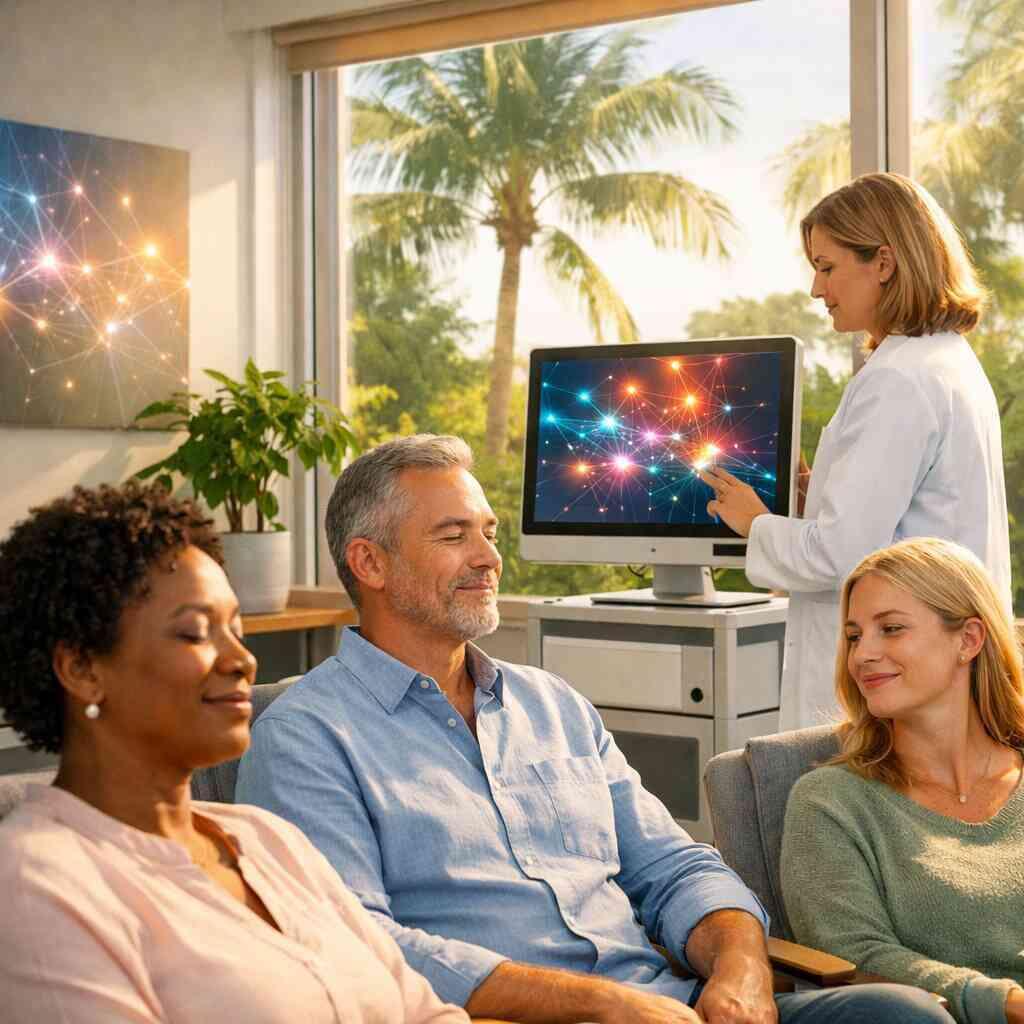
Modern ketamine clinic advancements in South Florida and beyond prioritize patient safety above all else. Rigorous screening processes, continuous vital sign monitoring during infusions, and the presence of trained emergency-ready staff are now standard. Furthermore, clinics are adopting enhanced pre- and post-infusion guidelines to maximize comfort and integrate the experience. These protocols are informed by the latest ketamine safety and efficacy data, ensuring every treatment is administered within a framework of utmost caution. The environment itself is designed to be calming and therapeutic, with attention to ambiance, privacy, and support. These elevated standards build essential trust and allow patients to fully engage in the healing process without fear. This professional, medical-model approach distinguishes legitimate therapeutic ketamine treatment from other contexts and is fundamental to its successful integration into mainstream medicine.
Expanding Applications: Ketamine for PTSD, Anxiety, and Chronic Pain
While renowned for depression, the applications of ketamine therapy are broadening significantly. Robust evidence now supports its use for PTSD, where it can help disrupt the traumatic memory reconsolidation process and reduce associated hyperarousal. Similarly, for anxiety disorders, ketamine can provide rapid relief from the paralyzing cycle of worry and fear, offering a respite that allows other therapies to take hold. Importantly, ketamine’s original anesthetic properties make it a powerful agent for certain chronic pain conditions, like neuropathic pain and fibromyalgia, where it can reset pain signaling pathways. This expansion means that a single, well-understood medication can address multiple co-occurring conditions that often trap patients in a cycle of suffering. Clinics specializing in ketamine treatments for chronic pain in Florida are seeing remarkable results, offering a non-opioid alternative for long-suffering individuals. This versatility makes ketamine an invaluable tool in a comprehensive treatment arsenal.
Integration Models: Combining Ketamine Therapy with Psychotherapy
The most progressive clinics understand that ketamine is a tool that prepares the mind for healing, not a standalone cure. The most durable outcomes often arise from ketamine integration with psychotherapy. The neuroplastic window opened by ketamine creates a unique opportunity for psychological work. Therapists can help patients process emotions, reframe negative thought patterns, and develop new coping skills while the brain is uniquely receptive. This synergistic model addresses both the biological and psychological dimensions of mental illness. Clinics are now offering structured programs that pair ketamine sessions with dedicated psychotherapy, either before, during, or after the infusion series. This holistic approach fosters deeper and more sustainable change. It empowers patients to build a healthier psychological framework on the new neural foundation that ketamine helps to construct.
Improving Accessibility: Treatment Options Across South Florida
A critical component of transforming care is ensuring these innovations are accessible to those who need them. Fortunately, treatment options are expanding across South Florida and beyond. Reputable clinics are now established in numerous counties, bringing this specialized care closer to home for many residents. Patients can find expert ketamine treatment in Palm Beach County, Broward County, and throughout the state, reducing travel burdens. This geographic expansion is coupled with efforts to educate both the public and referring physicians about the therapy’s appropriate role. Furthermore, clinics are developing flexible scheduling and various support programs to accommodate different patient needs. The mission is to dismantle barriers so that life-changing treatment is a viable option, not a distant possibility. This commitment to accessibility is a cornerstone of the evolving mental health landscape in Florida.
The Future Landscape of Mood Disorder Treatment in Florida
Looking ahead, the trajectory of mood disorder treatment in Florida is pointed toward greater personalization, integration, and acceptance. The research momentum shows no signs of slowing, promising even more refined applications and a deeper understanding of long-term management. The goal is to move from achieving remission to sustaining wellness over a lifetime. This future landscape will be shaped by ongoing clinical data, evolving policy, and, most importantly, the lived experiences of patients who have found relief. The innovations happening today are laying the groundwork for a mental health care system that is more responsive, effective, and humane. Florida is poised to remain a leader in this field, offering a beacon of hope for individuals and families affected by these debilitating conditions. The vision is one where effective treatment is the expectation, not the exception.
Long-Term Outcomes and the Evolution of Maintenance Therapy
Sustaining the initial dramatic benefits of ketamine is a key focus of current practice. The evolution of maintenance therapy protocols is central to achieving lasting wellness. Rather than a fixed schedule, maintenance is becoming increasingly personalized, with intervals between booster sessions lengthened based on individual response. Clinics are employing careful tracking of symptoms and quality-of-life metrics to guide this process. This data-driven approach helps determine the optimal frequency of touch-up infusions to prevent relapse. The long-term outcomes ketamine treatment can offer are profoundly positive, with many patients maintaining their gains for extended periods with minimal intervention. This shift transforms ketamine from an acute crisis intervention into a sustainable component of long-term mental health management. The focus is on building resilience and independence, not creating dependency on frequent treatments.
The Growing Evidence for Ketamine in Acute Suicidality Management
One of the most urgent and life-saving applications of ketamine is in the management of acute suicidality. Traditional interventions can be slow, leaving individuals in immense danger during the wait for an antidepressant to work. Ketamine’s rapid action can reduce suicidal thoughts within hours, providing a critical bridge to safety. This allows for stabilization so that comprehensive, long-term care plans can be safely developed and implemented. The growing evidence for ketamine in acute suicidality management is compelling hospitals and crisis centers to consider it a first-line tool in emergency psychiatry. Its use in this context represents a profound ethical advance, offering immediate hope and preventing tragedy. This application underscores the unique role ketamine plays in the psychiatric toolkit-it is not just another medication, but a rapid-response agent for the most severe mental health emergencies.
Shaping Policy and Perception: The Path to Broader Insurance Coverage
For treatment to be truly accessible, insurance coverage must evolve alongside the science. Currently, a significant barrier for many patients is the out-of-pocket cost of ketamine infusions, as coverage remains inconsistent. However, the path to broader insurance coverage is being paved by the accumulation of robust, real-world efficacy data and the establishment of clear clinical guidelines. Advocacy by clinicians, patients, and organizations is helping to shape policy and perception, demonstrating that ketamine therapy is a medically necessary, cost-effective treatment for treatment-resistant conditions. As the evidence base grows and standardized protocols become ubiquitous, insurers are increasingly recognizing its value. This trend toward coverage will dramatically expand access, ensuring that financial status does not determine one’s ability to receive this potentially life-saving care. It is a crucial step in normalizing ketamine as a standard therapeutic option within the future of mental health care Florida is building.
A Vision for Healing: What These Innovations Mean for Patients Today
For the individual patient in Florida today, these converging innovations mean something powerful: tangible hope. It means that a struggle with treatment-resistant depression, debilitating PTSD, or chronic pain no longer has to be a life sentence. The vision for healing is now one of rapid relief, personalized care plans, and a holistic approach that addresses root causes. Patients can work with clinics that offer not just a medication, but a comprehensive pathway to wellness supported by the latest science. These breakthroughs validate the experiences of those who have not found help elsewhere and offer a new direction. The message is clear: if you have not found success with traditional treatments, effective and scientifically-advanced options exist. Exploring these novel psychiatric care options in Florida can be the first step toward reclaiming your life and well-being, surrounded by expertise and compassion dedicated to your lasting recovery.
Frequently Asked Questions
Question: How is the new 2026 ketamine research changing the treatment options available at Ketamine Florida for mood disorders?
Answer: The groundbreaking 2026 ketamine research is directly shaping our clinical protocols at Ketamine Florida, allowing us to offer the most advanced and personalized ketamine treatment plans. This research into rapid-acting antidepressant mechanisms and glutamate modulation therapy has refined our understanding of optimal intravenous ketamine infusion protocols and intranasal esketamine updates. We integrate these breakthrough ketamine studies into our practice, ensuring our approaches for treatment-resistant depression, PTSD, and anxiety are backed by the latest safety and efficacy data. This means patients in Florida receive care that leverages novel NMDA antagonist applications to promote neuroplasticity and achieve faster, more durable relief, truly embodying the future of mental health care Florida is pioneering.
Question: What conditions beyond depression can Ketamine Florida treat with ketamine therapy, based on the latest research?
Answer: At Ketamine Florida, our scope of treatment is continually expanding thanks to ongoing chronic pain ketamine research and studies on ketamine for PTSD treatment and anxiety disorders. Beyond major depressive disorder, we successfully utilize ketamine therapy for post-traumatic stress disorder (PTSD), various anxiety disorders, and specific chronic pain conditions like neuropathic pain. The therapeutic use of ketamine works by modulating the brain’s glutamate system, which can help disrupt traumatic memory cycles in PTSD and reset maladaptive pain signaling pathways. Our personalized treatment plans are designed to address these co-occurring conditions, offering a comprehensive and innovative solution for complex cases where traditional treatments have fallen short.
Question: How does Ketamine Florida ensure safety and personalize treatment during ketamine infusion therapy?
Answer: Patient safety is our paramount concern. Our ketamine clinic advancements in South Florida incorporate the strictest safety standards, informed by the latest ketamine safety and efficacy data. Every ketamine treatment in Florida at our clinic begins with a thorough medical and psychiatric screening. During the intravenous ketamine infusion, patients are continuously monitored by our expert medical team in a controlled, calming environment. Furthermore, we are moving toward biomarker-guided ketamine therapy, using emerging research to help personalize ketamine dosing optimization and tailor treatment frequency to your unique biology. This meticulous, science-driven approach maximizes therapeutic benefits while minimizing risks, providing a trustworthy and comfortable experience.
Question: Does Ketamine Florida combine ketamine therapy with other forms of support, like psychotherapy?
Answer: Absolutely. We believe the most powerful and lasting outcomes come from a holistic approach. Ketamine creates a window of enhanced neuroplasticity, making the brain more receptive to new, healthy patterns. We actively promote ketamine integration with psychotherapy to help patients process emotions and solidify gains made during treatment. Our models may include therapy sessions before or after infusions to prepare for and integrate the experience. This synergistic method, supported by the latest research, addresses both the biological and psychological roots of suffering, leading to more sustainable long-term outcomes ketamine treatment can provide.
Question: What does the future look like for ketamine therapy accessibility and insurance coverage in Florida?
Answer: The future of mental health care Florida is bright, with increasing accessibility and evolving insurance coverage trends. At Ketamine Florida, we are committed to improving ketamine treatment accessibility Florida-wide through our expanding service locations and by educating patients and providers. As the evidence base from breakthrough ketamine studies grows and treatment protocols become standardized, we are actively working to shape policy and perception to pave the path to broader insurance coverage. We assist patients in navigating their benefits and advocate for the recognition of ketamine therapy as a medically necessary treatment for conditions like acute suicidality and treatment-resistant depression, making this life-changing care a viable option for more people seeking new depression treatments in Florida.