What Is the Difference Between Special K and Super K Florida
Unlocking the Ketamine Lexicon in the Sunshine State
From Operating Room Staple to Nightlife Slang
Ketamine entered American operating rooms more than fifty years ago, prized for its reliable dissociative anesthesia and cardiopulmonary stability. Over decades, the same molecule slipped beyond hospital walls and acquired colorful monikers – Special K in club culture and, more recently, Super K among thrill-seekers chasing higher potency. Florida’s coastal nightlife scenes amplified the slang until many residents began confusing medical ketamine options in Florida with powdered, often adulterated street variants. When a single drug wears multiple masks, misunderstanding grows, and that confusion can delay people from receiving evidence-based care for depression or PTSD. Learning the language is therefore the first step toward informed, safe decisions.
Florida’s multicultural, tourist-driven environment also magnifies how quickly vocabulary shifts. Miami DJ booths may reference “bumping K,” while emergency physicians discuss “racemic ketamine” for procedural sedation in trauma bays. Because friends, clinicians, and social media influencers all talk about ketamine from different vantage points, Floridians easily conflate therapeutic infusions with illicit powders. By mapping where each nickname originates, we establish a common framework that helps families, first responders, and patients distinguish healing from harm.
Why Names Matter for Safe Ketamine Use
A label does more than describe – it frames expectations. Someone offered “Super K” at a festival may wrongly assume it is pharmaceutical-grade, yet potency can exceed clinical doses fourfold, raising respiratory or cardiac risk. Conversely, a person battling refractory depression might avoid lifesaving ketamine therapy in Florida after reading alarming stories about Special K overdoses on social media. Clear terminology protects both groups by drawing a firm line between street buzzwords and regulated, titrated care.
In public health outreach, precise language improves triage. Paramedics hearing “my friend took Super K” know to anticipate higher serum concentrations, possible polysubstance mixing, and more volatile vital signs. Meanwhile, clinic staff describing “ketamine infusion at sub-anesthetic dosage” reassure patients of a rigorously monitored protocol with documented safety data. When terminology is transparent, individuals can weigh benefits, side effects, and legal implications with full awareness.
Ketamine Therapy in Florida and the New Era of Mental Health Care
Florida leads a nationwide surge of interest in ketamine infusion for mood disorders, partly because many residents have struggled to access timely psychiatric support after hurricanes, economic shocks, or pandemic stressors. Clinics from Pensacola to the Keys now provide low-dose intravenous protocols that create rapid synaptic changes in the brain’s glutamate system. Early symptom relief often appears within hours rather than weeks, redefining hope for people who have failed multiple antidepressant regimens.
State-licensed centers follow strict dosing algorithms, cardiac monitoring, and psychological integration sessions. Unlike club doses that aim for intense dissociation, medical infusions hover below anesthetic thresholds, minimizing cognitive side effects while supporting neuroplasticity. As more Floridians witness friends emerge from suicidal despair within days, demand grows for accurate education on Special K versus Super K – education this article aims to deliver.
Special K Demystified: Beyond the Street Mythos
Pharmaceutical Ketamine Foundations and Racemic Blends
Clinicians typically administer racemic ketamine, a fifty-fifty mixture of two mirror-image molecules called R- and S-isomers. Each isomer binds the NMDA receptor slightly differently, producing the overall antidepressant and analgesic profile observed in randomized trials. In hospital pharmacies, the clear solution arrives in tamper-evident vials, bar-coded and subject to DEA Schedule III controls. Yet once it migrates onto the street – compressed into crystal flakes or cut with sugar – users rename it Special K and treat it as a single, unified substance.
Ironically, many partygoers swallow or snort racemic powder without realizing they are consuming the same base compound found in a clinic, only degraded, imprecisely dosed, and possibly contaminated with fentanyl or novel benzodiazepines. Appreciating the molecular foundation clarifies that danger stems not from ketamine itself but from uncontrolled production and reckless administration.
Special K Side Effects, Dosing Realities, and Misuse Patterns
In legitimate settings, side effects are largely transient: mild dizziness, blurred vision, or short-lived nausea. Street Special K, however, often involves gram-level binges that exceed clinical infusions by twentyfold. Such doses can trigger the notorious “K-hole,” where users experience profound detachment, ataxia, and temporary aphasia. Extended binge cycles risk ulcerative cystitis, cognitive deficits, and tolerance that pushes people toward more concentrated Super K products.
Dose discipline is the decisive difference. Medical staff calculate milligrams per kilogram to the decimal, adjust for liver function, and monitor vitals in real time. Recreational users eyeball scoops on a key or credit card and combine them with alcohol, exponentially amplifying respiratory depression. Understanding these contrasts helps families intervene early when loved ones slide from experimentation toward dependence.
Illicit Special K in South Florida Nightlife
South Beach clubs and music festivals have long circulated Special K because its dissociative effects align with electronic dance music. Unfortunately, anecdotal security reports reveal that many powders sold as ketamine in South Florida contain less than forty percent genuine active ingredient. The remainder may include lidocaine for numbing, caffeine for stimulation, or methamphetamine for extra euphoria – each carrying separate risks.
Because distribution chains for club drugs often overlap with those for cocaine or MDMA, law enforcement warns that fentanyl cross-contamination rises yearly. This trend has driven a spike in emergency calls involving unconscious party-goers whose companions believed they were safe snorting “Special K.” Public health campaigns now stress fentanyl test strips and on-site medical tents, yet prevention still hinges on redirecting would-be users toward supervised, therapeutic contexts instead.
Clinical Grade Versus Street Grade: Purity Checkpoints
At an accredited ketamine clinic, every vial batch is accompanied by a certificate of analysis confirming concentration, sterility, and absence of heavy metals. Nurses draw the medication using sterile technique into single-use syringes, discarding any remainder. Street powders, by contrast, travel in plastic baggies susceptible to humidity, bacterial colonization, and adulterant layering that varies from line to line.
Purity determines both efficacy and side effect burden. A clinical 0.5 mg/kg infusion produces neurotrophic cascades that lift mood without psychomotor impairment. An adulterated 150 mg intranasal hit might deliver only 60 mg of ketamine plus synthetic cathinones, sending the brain on an unpredictable course. The takeaway: the further one moves from regulated supply chains, the further one drifts from predictable therapeutic outcomes.
Super K Unpacked: Concentration, Potency, and Peril
Super K Street Chemistry and Elevated Potency Ratios
Super K is not a new molecule; it is a marketing term for unusually concentrated ketamine or, in some circles, an isomer-enriched product skewed toward the more psychoactive S-ketamine. Dealers often evaporate pharmaceutical solutions onto baking sheets, scrape the crystallized residue, and re-crush it, yielding powders up to 90 percent pure – roughly double the standard street Special K. The result is smaller quantities delivering larger effects, enticing users chasing deeper dissociation.
While higher potency may sound appealing to experienced users, it narrows the margin of safety considerably. A novice switching from typical club powder to Super K can unknowingly enter anesthetic territory in a single dose, risking airway compromise. Moreover, high-purity crystals encourage intravenous use among experienced users, accelerating dependence and complicating withdrawal.
NMDA Receptor Antagonism and Neurobiological Impact
Ketamine’s primary mechanism involves noncompetitive inhibition of the NMDA receptor on glutamatergic neurons. By dampening excessive excitatory signaling, it indirectly boosts BDNF release and mTOR pathway activation, which foster synaptic remodeling. In therapeutic doses, these cascades reverse stress-induced neuronal atrophy and restore mood regulation. You can read more about how ketamine works in the brain on Wikipedia.
Super K’s amplified concentration does not create a new pathway – it merely overwhelms existing ones. Neuroimaging studies show that supra-therapeutic doses can saturate receptor sites, leading to unprocessed sensory data and out-of-body experiences. Chronic overactivation may undermine the very neuroplastic benefits that medical infusions aim to harness, substituting confusion and memory gaps for clarity and resilience.
Super K Side Effects: From Dissociation to Cardiopulmonary Stress
Because the lungs and circulation receive higher milligram loads more rapidly, Super K can provoke transient hypertension, tachycardia, and, paradoxically, bradycardia if the vagal response dominates. Users sometimes report chest tightness or an irregular heartbeat shortly after insufflation. In unmonitored settings, these cardiovascular swings go unchecked, raising the risk of arrhythmia in susceptible individuals.

Neurologically, pronounced dissociation may shift into agitation or panic as users lose orientation. Some attempt to ground themselves by drinking alcohol, which compounds cognitive suppression and slows airway reflexes. Emergency departments in Orlando and Tampa routinely intubate such patients to protect the airway until drug effects fade – a stark contrast to the gentle, supervised experience patients describe after calibrated infusion therapy.
Legal Status of High-Potency Ketamine Variants in Florida
Ketamine, regardless of nickname or potency, falls within Schedule III of the federal Controlled Substances Act. That classification permits medical prescription but criminalizes unauthorized possession or distribution. Florida statutes mirror federal law, and courts rarely differentiate Special K from Super K in sentencing. However, prosecutors may seek harsher penalties for trafficking high-purity product, citing greater public health threat.
For consumers, legal jeopardy compounds medical danger. A single gram of crystal seized on Miami Beach can lead to felony charges, jeopardizing employment, housing, and custody rights. Understanding that “stronger product” triples both overdose and legal consequences is critical for anyone tempted by the Super K hype.
Special K Versus Super K in Florida: The Clinical Versus Street Divide
Molecular Nuances and the S Versus R Isomer Conversation
Pharmaceutical chemists have long debated whether isolating S-ketamine (esketamine) yields superior antidepressant effects with fewer psychotomimetic side effects. The FDA approved an intranasal esketamine formulation for treatment-resistant depression, delivered under strict Risk Evaluation and Mitigation Strategy protocols. On the street, claims of “pure S Super K” circulate, yet forensic labs frequently find racemic blends mislabeled to justify higher prices.
Clinicians at Ketamine Florida explain to patients that the therapeutic differential between S- and racemic ketamine remains under investigation. The key determinants of success are appropriate dose, infusion rate, psychological support, and follow-up integration – not clandestine isomer ratios promised by dealers. Ingredient precision belongs in pharmacies, not parking lots.
Dosing Guidelines in Ketamine Infusion Therapy and Harm Reduction
Accredited clinics titrate ketamine between 0.5 and 1 mg/kg over 40 minutes, adjusting for age, weight, and comorbidities. Lower starting doses reduce dissociation while still triggering synaptic rejuvenation. Staff track blood pressure every five minutes, and a recovery nurse remains bedside until full orientation returns. These parameters define standard harm reduction within medicine and stand in sharp contrast to festival dosing, where milligram intake is guesswork and monitoring is nonexistent.
Harm-reduction advocates urge recreational users who will not abstain to use milligram scales, avoid polydrug combinations, and use only in the company of sober companions trained in rescue breathing. The safest path, however, remains shifting from unsupervised use to professional ketamine depression therapy across Florida.
Risk Spectrum: From Accredited Clinics to Unregulated Environments
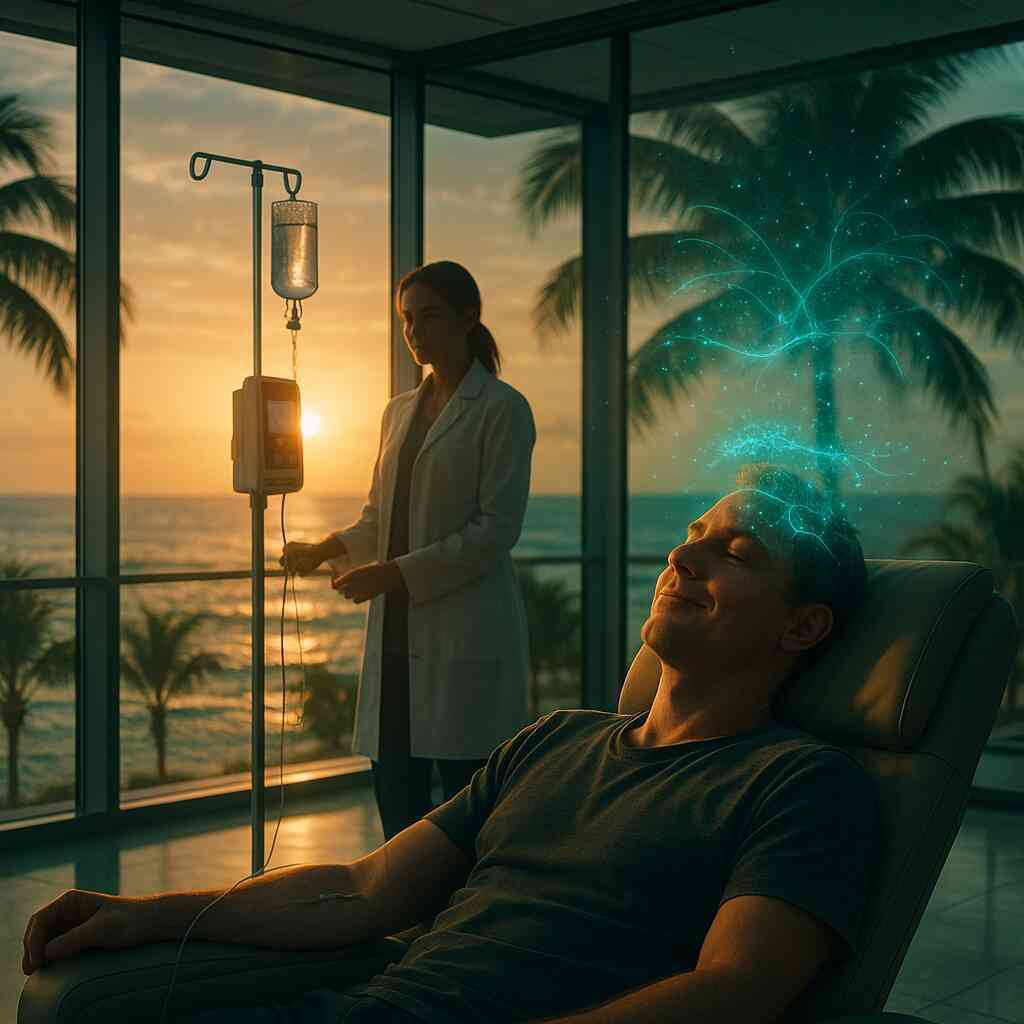
Picture a continuum: on one end, a certified anesthesia provider adjusts an IV pump in a quiet, softly lit suite; on the other, a crowded warehouse pulses with bass while strangers pass around unknown white powder. Between those poles lie gray-market “ketamine lounges” and pop-up injection services without medical oversight. Risk climbs steeply as you move away from licensure, sterile technique, and emergency preparedness.
Florida’s regulatory agencies now crack down on unauthorized infusion operators masquerading as wellness spas. Consumers must verify credentials, DEA registration, and malpractice insurance when selecting a provider. Transparency regarding dosing, monitoring, and integration distinguishes true healthcare from entrepreneurial improvisation. You can also explore what the difference between Special K and Super K looks like in a clinical context for a deeper comparison.
Ketamine Abuse Prevention, Community Education, and Monitoring
Communities reduce misuse by pairing evidence-based information with accessible treatment alternatives. Public libraries host seminars where clinicians address Special K myths in Florida. Colleges distribute wallet cards listing signs of disordered use and numbers for crisis hotlines. Clinics compile anonymized outcome data to guide policy and ensure accountable practice.
Ongoing monitoring also includes urine screenings for high-risk patients, collaboration with primary care providers, and digital aftercare platforms that flag concerning mood shifts. When society treats substance safety and mental health as intertwined, overdose rates fall and more individuals pursue therapeutic – rather than escapist – relationships with ketamine.
From Confusion to Clarity: Choosing Safe Ketamine Paths
Finding a Ketamine Clinic in Florida for Evidence-Based Care
The clearest route to clarity is a consultation with board-certified providers who specialize in ketamine science. An initial phone call lets you discuss goals, medications, and prior therapies while gauging clinic transparency. Reputable centers welcome questions about staff credentials, infusion protocols, and emergency equipment, demonstrating their commitment to patient safety.
Floridians often start their search online, comparing reviews and outcome statistics for providers near them. During this vetting process, pay attention to whether clinics offer integrative psychotherapy alongside infusions. A holistic approach anchors neurochemical change in durable habits, maximizing resilience long after the IV line comes out. Residents can also explore ketamine treatment options in Broward County and other service areas across the state.
Steps Toward Ketamine Depression Treatment and PTSD Relief
Evidence-based programs follow a staged roadmap. First comes medical and psychiatric screening to rule out contraindications such as uncontrolled hypertension or active substance dependence. Next, patients complete baseline mood and trauma assessments to measure progress. A typical induction course involves six infusions over two to three weeks, each building on neural pathways awakened by the last.
Following induction, maintenance boosters are tailored to symptom recurrence and lifestyle stressors. Parallel psychotherapy sessions weave emerging insights into everyday coping, amplifying neuroplastic gains. Patients dealing with intrusive memories may combine ketamine PTSD infusion therapy in Florida with evidence-based trauma therapies for compounded relief.
Empowering Informed Choices for Long-Term Well-Being
Decoding the difference between Special K and Super K transforms fear into informed agency. Once you understand that medical ketamine leverages the same molecule under controlled conditions, the allure of risky experimentation fades. Sustainable mood improvement depends on dosage precision, clinical monitoring, and psychological integration – not on chasing ever-stronger street formulations.
If you or a loved one are ready to explore ketamine’s healing potential, take the next step and contact a ketamine specialist in Florida. Our team stands ready to transform confusion into clarity and momentary escape into lasting well-being.
Frequently Asked Questions
Question: How does Ketamine Florida guarantee the safety and purity of its pharmaceutical-grade ketamine compared to street versions sold under the Special K or Super K street names?
Answer: At Ketamine Florida, every vial of ketamine is sourced directly from DEA-approved manufacturers, arrives with a certificate of analysis, and is logged into our secure inventory system. Before each ketamine treatment in Florida, our medical team double-checks the lot number, expiration date, and concentration, then draws the exact dose using sterile technique in a fully monitored clinical suite. This process eliminates the adulterants, fentanyl cross-contamination, and dosage guesswork that make illicit ketamine so dangerous. The result is predictable, pharmaceutical-grade ketamine therapy that meets or exceeds hospital standards for safe ketamine use.
Question: I’m confused – what is the difference between Special K and Super K in Florida, and how does that affect my decision to seek ketamine therapy?
Answer: Special K is the long-standing recreational slang Floridians use for any powdered form of the drug, while Super K refers to a much higher-potency crystalline product often marketed as purer or S-isomer-rich. Both carry unpredictable dosing and serious risks, including dangerous dissociation and cardiopulmonary stress. By contrast, Ketamine Florida provides carefully titrated NMDA antagonist medication at sub-anesthetic levels that leverage ketamine’s neuroplastic benefits without the crash or legal risk. Understanding this clinical versus street ketamine divide empowers you to choose evidence-based care over uncontrolled experimentation.
Question: What specific ketamine dosing guidelines does your ketamine clinic in Florida follow to prevent the side effects associated with Special K?
Answer: We start most patients at 0.5 mg/kg infused over 40 minutes, adjusting for age, weight, cardiovascular health, and concurrent medications. Blood pressure, heart rate, and oxygen saturation are recorded every five minutes, and a recovery nurse remains bedside until full orientation returns. Because the infusion rate is slow and precise, patients avoid the abrupt concentration spike that causes the so-called K-hole or other high-potency crashes. These protocols align with the latest ketamine treatment FAQs published by leading anesthesia societies and represent best-practice ketamine harm reduction.
Question: How quickly can I expect relief from depression or PTSD after ketamine infusion therapy at a South Florida location like yours?
Answer: Many clients report notable mood improvement or reduction in intrusive memories within 24 hours of the first session. A full induction course – typically six treatments over two to three weeks – delivers the most durable benefit for ketamine depression treatment in Florida. Because ketamine works by boosting BDNF and rewiring glutamate pathways, it can outperform traditional antidepressants that take weeks to act. For patients seeking ketamine for PTSD in Florida, we combine infusions with trauma-focused psychotherapy to support long-term resilience.
Question: What legal protections and harm-reduction measures are in place when I choose your clinic instead of sourcing ketamine through South Florida nightlife?
Answer: Receiving treatment at our licensed ketamine clinic in Florida places you firmly within Schedule III medical compliance – no risk of arrest, contaminated product, or felony charges. We maintain full malpractice insurance, emergency equipment, and physician oversight, and we provide aftercare check-ins to prevent escalation into misuse. Ketamine Florida turns a risky street pursuit into a structured healthcare pathway that prioritizes ketamine abuse prevention, mental-health follow-up, and complete transparency for every patient searching for a trusted ketamine clinic in Florida.