
If your family has been managing the weight of a loved one’s mood disorder, you may feel as though the walls are closing in. You have likely watched them try endless combinations of oral medications, only to see their symptoms of treatment-resistant depression persist or worsen. When standard psychiatric care leaves you waiting for a breakthrough that never arrives, the entire household experiences the ripple effects of chronic struggle. At Ketamine Florida, we recognize that healing is a shared transformation requiring patience, evidence-based care, and a stable environment. Our team provides specialized services including IV ketamine, Spravato esketamine, and ketamine-assisted psychotherapy to address conditions like major depressive disorder, anxiety, PTSD, OCD, and chronic pain. By understanding the neurobiological potential of these treatments, we offer family-centered mental health recovery in Florida to help you regain your footing.
The Architecture of Connection in Neurobiological Healing
Understanding the Role of Family in Neuroplasticity and Recovery
Neuroplasticity is the brain’s ability to reorganize itself by forming new neural connections, and it is the primary mechanism through which ketamine therapy exerts its healing effects. When a patient receives ketamine infusions, the treatment acts as a catalyst for growth, helping the brain move away from the rigid, negative thought patterns associated with depression. Family members provide the consistent, nurturing environment necessary for these new neural pathways to solidify. When a loved one is in recovery, the emotional climate of the home can either accelerate or inhibit their neurological progress. By actively participating in the healing process, families help to stabilize the patient’s mood, which allows the brain to focus on repair rather than constant survival. This neurobiological mechanism of ketamine therapy is most effective when the patient feels understood, safe, and encouraged by those who know them best.
Bridging the Gap Between Ketamine Assisted Psychotherapy and Home Life
Ketamine-assisted psychotherapy is designed to leverage the unique state of mind that occurs during or immediately after a session to process deep-seated trauma and emotional blocks. While the clinic provides the space for these shifts, the actual integration of these changes happens within the routines of daily life. We encourage families to work closely with our therapists to understand how to hold space for the emotional experiences that might surface after a session. This might include supporting your loved one as they navigate feelings of dissociation or reflect on new perspectives gained during their psychedelic therapy sessions. By bridging the gap between clinical breakthroughs and home interactions, families ensure that the lessons learned in the office are reinforced in the real world. We offer guided resources to help you communicate effectively, ensuring that every family member understands the clinical process.
Addressing Caregiver Burnout Through Trauma Informed Care Strategies
Caring for someone with a mood disorder can be exhausting, and it is common for caregivers to experience secondary trauma or burnout. Our clinic prioritizes addressing caregiver burnout in psychiatric recovery because a healthy caregiver is the foundation of a healthy patient. We provide education on trauma-informed care strategies that help you set boundaries, manage your own stress, and remain resilient during the recovery cycle. When you understand the physiological roots of conditions like PTSD or bipolar depression, it becomes easier to separate your loved one’s behavior from their underlying medical condition. This shift in perspective is a powerful tool for preventing resentment and fostering compassion. Our team offers ongoing support to help you navigate these complex emotional landscapes, providing a safe space for caregivers to voice their concerns and learn self-care techniques.
Synchronizing Clinical Progress with Domestic Stability
Integrating Emotional Gains from Ketamine Infusions into Family Dynamics
When a patient experiences the rapid relief that IV ketamine or Spravato often provides, the change in their demeanor can be sudden. Family members may feel uncertain about how to respond when a loved one who was previously immobilized by depression suddenly has the energy to engage. Integrating ketamine therapy into family dynamics requires patience, as the patient is learning how to exist in a world without the fog of their disorder. We recommend using this time to rebuild connections through shared activities and open, non-judgmental communication. By acknowledging the small wins and maintaining a stable daily routine, families help the patient navigate the transition into a higher baseline of functioning. Our staff is available to discuss these shifts, ensuring you know how to support your loved one through the newfound clarity that often accompanies effective treatment.
Sustainable Strategies for Relapse Prevention and Long Term Wellness
Achieving symptom relief is only the first part of the process, as maintaining that progress requires a dedicated strategy for relapse prevention. We work with families to identify early warning signs of a downturn, which might include changes in sleep, withdrawal from social interactions, or renewed signs of anxiety or suicidality. By creating an aftercare plan that includes regular check-ins, consistent medication management, and scheduled maintenance infusions, we minimize the risk of a relapse. We also emphasize the importance of holistic therapy, such as mindfulness, nutrition, and exercise, which support the long-term effectiveness of the medical treatment. Our goal is to ensure that your family feels prepared and confident, knowing exactly what to do if symptoms begin to resurface. This proactive approach turns recovery from a fragile state into a sustainable lifestyle that benefits the entire family unit.
Collaborative Psychiatric Evaluation and Family Centered Aftercare Planning
Every patient who comes to our clinic undergoes a thorough psychiatric evaluation to ensure that their treatment plan is precisely tailored to their unique needs. Incorporating input from family members during this stage can provide us with a more accurate picture of the patient’s history and current challenges. This collaborative psychiatric care for families extends throughout the treatment process, as we update plans based on how the patient is responding to infusions or Spravato. Family-centered aftercare planning means we don’t just treat the patient and send them on their way; we create a roadmap for long-term health. This might involve referrals for ongoing talk therapy, coordination with other medical specialists, or setting up a support group structure. By maintaining a collaborative relationship with you, we ensure that the care provided at our clinic is connected to the support your loved one receives at home.
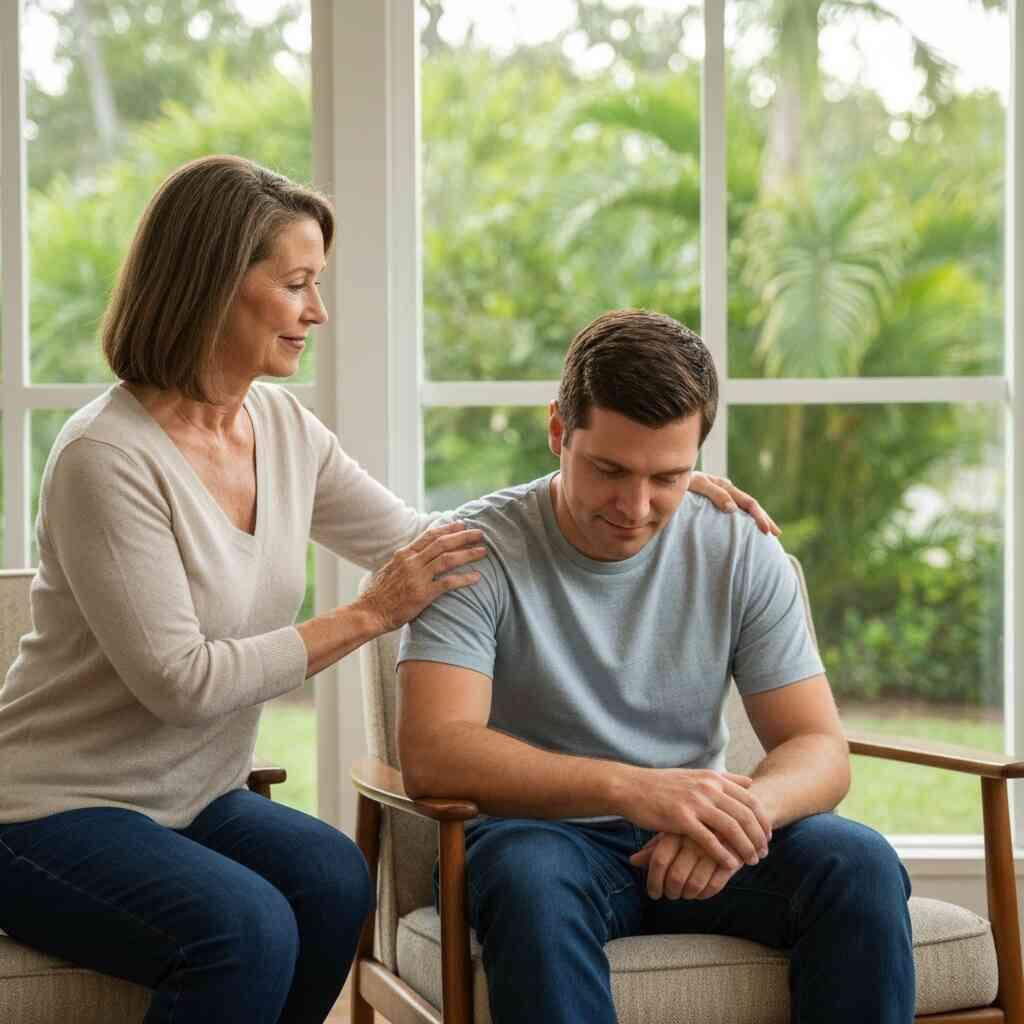
Cultivating Resilience Through Shared Recovery Experiences
Empowering Families to Support Loved Ones During Treatment Resistant Depression
Treatment-resistant depression (TRD) can feel like a relentless cycle that saps the vitality from every member of the family. Supporting loved ones through treatment-resistant depression involves recognizing that their struggle is a medical issue that responds to clinical intervention. We empower you by providing clear, evidence-based information on how ketamine therapy works on NMDA receptors to reset brain function. This knowledge helps to alleviate the guilt or frustration that often builds up when conventional treatments fail. When you understand the science of the treatment, you become a partner in the recovery process rather than a passive observer. We provide the tools you need to advocate for your loved one, ensuring they receive the specialized care required for deep and lasting improvement.
Building a Robust Support System for Ketamine Therapy Success
Success in mental health recovery often depends on the strength of the social and medical support system surrounding the patient. Beyond the clinical care at our locations in Miami, Orlando, Tampa, and across Florida, we encourage families to connect with peer groups and professional resources. A robust support system might include regular sessions with a licensed therapist, participation in community health initiatives, and frequent engagement with our clinic team. We also focus on strategies to build family resilience during recovery to ensure that your family remains strong even during life’s inevitable stressors. By surrounding the patient with a network of informed and supportive people, we increase the likelihood of positive, lasting outcomes. We are here to help you coordinate these resources, making the path to wellness clearer and more accessible.
Fostering Connection and Breaking Cycles of Major Depressive Disorder
Breaking the cycle of major depressive disorder is an ambitious goal, but one that is achievable with the right combination of clinical innovation and family support. When you actively work to foster connection, you replace the isolation of depression with the strength of community and love. We help families understand how to communicate in ways that encourage progress while respecting the patient’s need for autonomy and space. Whether your loved one is suffering from chronic pain, PTSD, or a mood disorder, the principles of patience, empathy, and professional guidance remain the same. Our mission at Ketamine Florida is to provide that guidance, walking beside you as you reclaim the life your family deserves. If you are ready to explore how our clinical expertise can help your family heal, please contact our team to learn more about our comprehensive treatment options.
Frequently Asked Questions
How does ketamine therapy work for treatment-resistant depression?Ketamine acts as an NMDA receptor antagonist, which triggers a rapid increase in glutamate. This process promotes neuroplasticity, allowing the brain to repair connections that have been damaged by chronic stress or depression. Unlike traditional antidepressants, which can take weeks to show effects, many patients experience relief within hours or days of their first session.
What is the difference between IV ketamine and Spravato (esketamine)?IV ketamine is administered directly into the bloodstream in a controlled clinical environment, allowing for precise dosing and rapid bioavailability. Spravato is an FDA-approved nasal spray containing esketamine, which is often used for treatment-resistant depression and is frequently covered by Medicare and other insurance plans. Both are effective but serve different needs depending on the patient’s medical history and current condition.
Is it safe to drive after a ketamine treatment?No, patients should never drive or operate heavy machinery immediately following a ketamine session. The treatment can cause temporary dissociation, sedation, or impaired coordination that lasts for several hours. We require all patients to have a designated driver or use a secure ride-sharing service to ensure their safety when leaving our facility.
How many sessions are typically required for effective relief?While results vary by individual, most patients begin with a series of six infusions or treatments over several weeks. This initial period is crucial for stabilization and allows our medical team to monitor your response closely. After the initial series, many patients move to a maintenance schedule to sustain the benefits and prevent relapse.
Can ketamine cause addiction or dependency?When administered in a supervised medical setting at a legitimate clinic, the risk of ketamine addiction is very low. However, we take all forms of substance misuse seriously and perform thorough screenings before starting therapy. We focus on providing safe, controlled doses designed to heal the brain rather than provide a recreational experience.
What are the common side effects of ketamine therapy?Common side effects include mild nausea, dizziness, or a temporary increase in heart rate during the infusion. Some patients also report feeling detached or experiencing vivid thoughts, which is why we provide a safe, calm environment. Most side effects subside quickly after the infusion ends, and our team monitors you closely throughout the entire process.
Do you accept insurance for ketamine treatments?Insurance coverage for ketamine therapy varies significantly depending on the provider and the specific treatment type. Spravato is often covered by insurance for eligible patients, while IV ketamine may be classified differently. We encourage you to reach out to our team to discuss your specific insurance benefits and explore available financial assistance options for your care.