Safety, side effects, and supervision
Ketamine therapy is designed to be safe in a controlled setting with trained professionals — but it is not right for everyone. Here is an honest look at the effects, the safeguards, and who should be cautious.
- Fully supervised
- Screened beforehand
- Monitored throughout
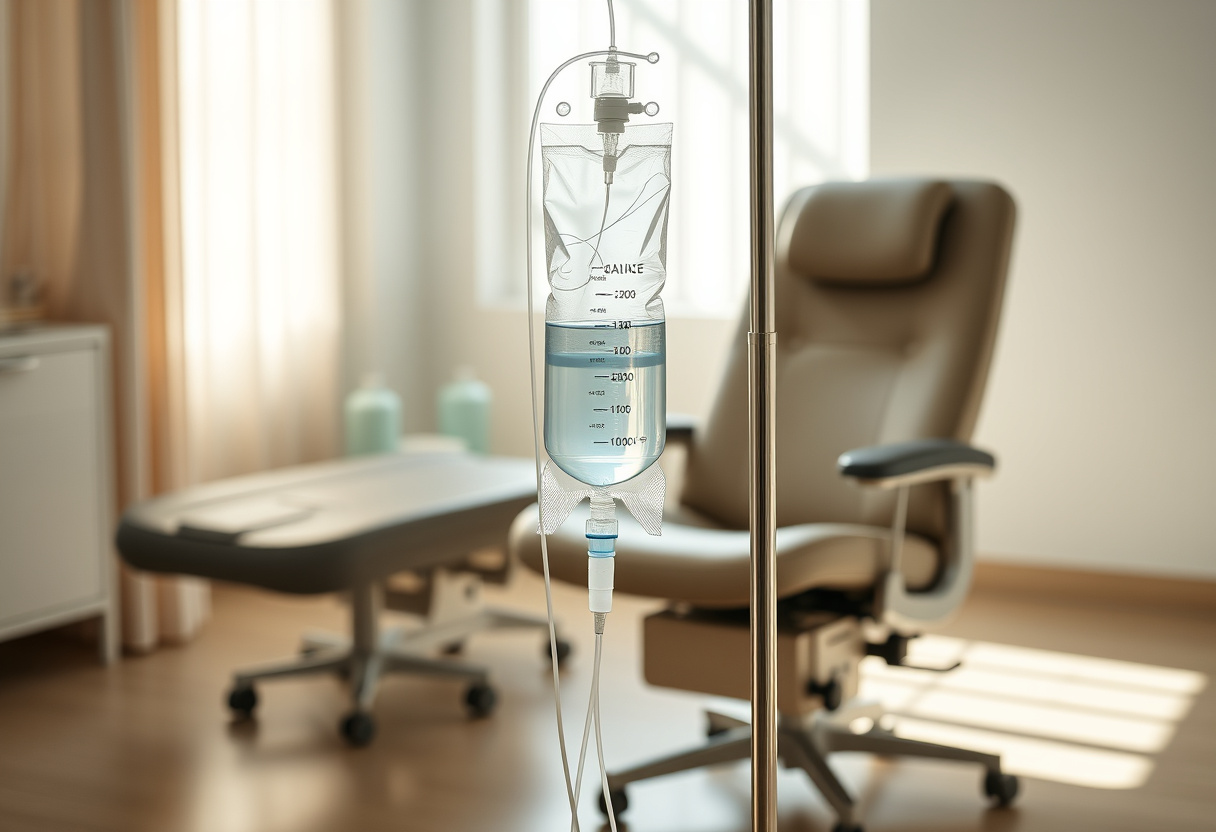
In a certified, supervised setting, ketamine and esketamine have a well-characterized safety profile. The most important safeguard is the setting itself: a clinical evaluation beforehand, continuous monitoring during, and a recovery period after. Care is never a take-home experiment.
Common, temporary effects
During and shortly after a session, people may notice a floating or dissociative feeling, mild dizziness or nausea, blurred vision, or a temporary rise in blood pressure and heart rate. These effects are expected, monitored, and typically fade within an hour or two of the session ending. Your team is present the entire time to keep you comfortable.

How supervision keeps it safe
Before your first session, a licensed provider reviews your history, medications, and health to decide whether ketamine care is appropriate. During, your vitals are watched continuously. Afterward, you recover under observation and arrange a ride home — no driving or important decisions until the next day. This structure is what makes supervised care safe.

Who should be cautious
Ketamine is not right for everyone. It may not be appropriate for people with uncontrolled high blood pressure, certain heart or vascular conditions, active psychosis, or some substance-use histories, and it requires special care in pregnancy. That is exactly what the clinical evaluation is for — to advise you honestly, and to say so if it is not a fit.
- A clinical evaluation before your first session
- Trained professionals present from start to finish
- Continuous monitoring of your vital signs
- A calm, private, controlled environment
- A supervised recovery period before you leave
- Clear aftercare guidance and an always-open line
Need urgent support?
This page is educational and is not a substitute for emergency care. If you or someone you know is in crisis, help is available right now.
Call or text 988 — Suicide & Crisis LifelineWorried whether it is safe for you?
That is precisely what the free consultation is for. A clinician reviews your history and tells you honestly whether ketamine care is appropriate.