IV ketamine infusion therapy
A low, precisely controlled dose delivered slowly through an IV while your care team monitors you throughout — the most closely studied route for treatment-resistant depression, mood, and chronic-pain conditions.
- Precisely dosed
- Continuously monitored
- Evidence-led
In an IV infusion, a small dose of ketamine is titrated into the bloodstream over roughly 40–60 minutes. Because the clinician controls the rate directly, the experience can be adjusted in real time — one reason the IV route has the deepest body of research behind it for mood and pain conditions.
Why the IV route
Delivering ketamine intravenously gives the most direct, predictable control over dose and pace. Your clinician can respond to how you are doing moment to moment, and bioavailability is complete — the whole dose reaches the bloodstream. For treatment-resistant depression in particular, this is the route most of the clinical literature is built on.

What a session feels like
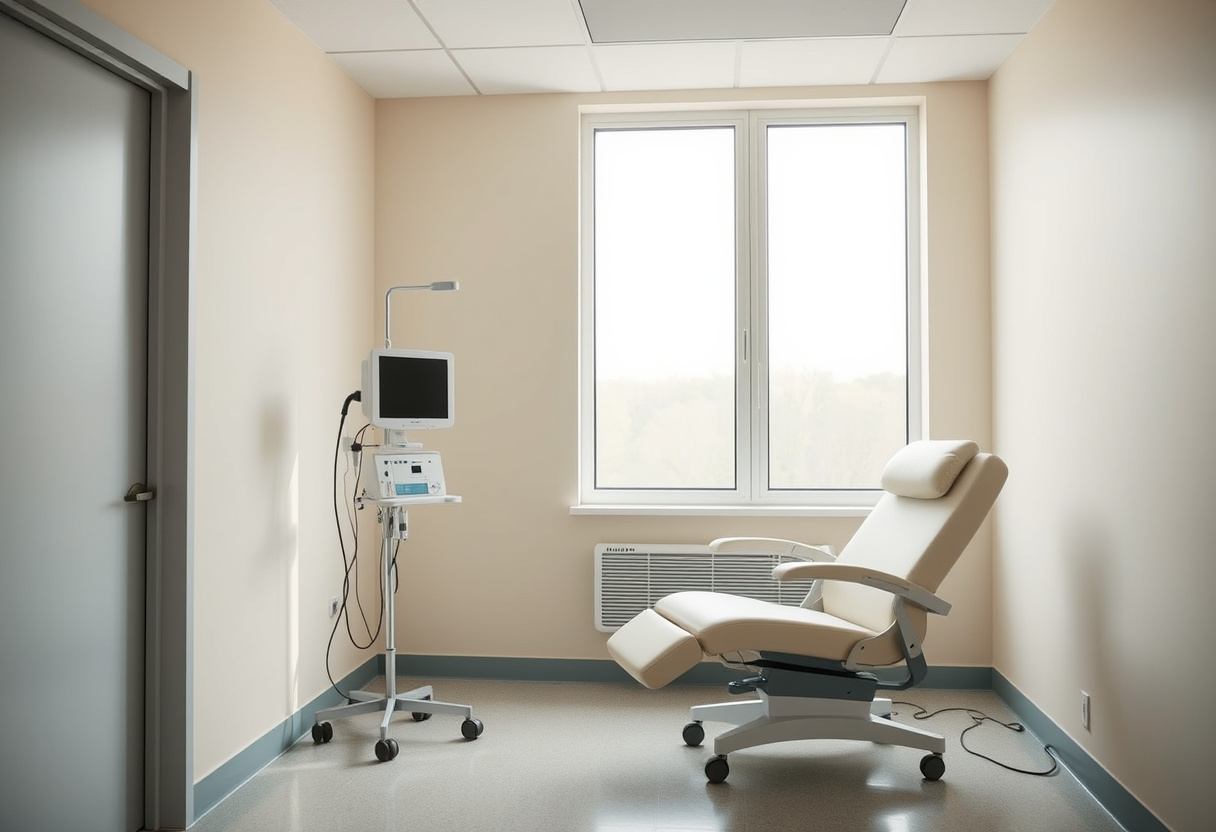
You recline in a calm, private room with the lights low. As the infusion begins, many people describe a gentle floating or dream-like state, a sense of distance from usual worries, and shifts in how time and thought feel. It is not painful. Your team is with you the entire time, and the state eases within minutes of the infusion ending.

Before, during, and after
Beforehand, you settle in and your vitals are checked. During, you are continuously monitored. Afterward, there is a short recovery period before you head home — and because judgment and coordination can be affected for the rest of the day, you will arrange a ride home and take the day easy. Integration support helps you carry the experience forward.
- Treatment-resistant depression and major depressive disorder
- The depressive phases of bipolar disorder, under close monitoring
- Persistent anxiety that hasn't responded to first-line care
- Post-traumatic stress disorder (PTSD)
- Obsessive-compulsive disorder (OCD)
- Chronic and neuropathic pain, including some migraine presentations
Not sure which route fits you?
IV infusion and Spravato® nasal spray suit different needs and coverage situations. A side-by-side comparison makes the differences clear — and a consultation makes the choice personal.
IV ketamine, answered
The questions people ask most about infusion therapy — answered plainly. Anything else, we're one call away, any hour.
Talk to a real personHow long does an infusion take?
A single infusion usually runs about 40 to 60 minutes, plus time to settle in beforehand and a short recovery period afterward. Plan for a couple of hours at the clinic.
Will I be asleep or sedated?
No. IV ketamine at these low doses is not general anesthesia. You remain conscious and able to respond, in a relaxed, dream-like state, with your care team beside you throughout.
How many sessions will I need?
It varies by person and condition. Many treatment plans begin with a short series of sessions, then taper based on how you respond. Your clinician maps this out with you and adjusts as you go.
Can I drive myself home?
No. Coordination and judgment can be affected for the rest of the day, so you will arrange a ride home and avoid driving or important decisions until the next day.
Is IV ketamine right for you?
The only way to know is a proper clinical consultation. It is free, confidential, and there is no obligation to proceed.