When ketamine feels like the last door in the hallway
If depression has worn you down, the wait can feel endless. You may have tried medication after medication, and nothing stuck. That frustration is real. So is the hope that something different might finally help.
Why people in Orlando ask about ketamine therapy after standard medications fall short
We hear this from people across Orlando every week. They are tired, scared, and often embarrassed by how hard they have had to fight. Many have already tried antidepressants, therapy, or even higher levels of care. Some are also dealing with questions about ketamine therapy for anxiety relief, PTSD ketamine therapy, or OCD symptoms that keep circling back.
That is often where ketamine therapy enters the conversation. For some, it is discussed as an option for treatment-resistant depression, or TRD, when major depressive disorder treatment has not responded as expected. Others ask because bipolar depression care, chronic pain relief, CRPS treatment, fibromyalgia management, or migraine treatment has become part of the picture too. Ketamine Florida treats these questions seriously because the decision is never just about symptom relief. It is about safety, fit, and the next right move.
One patient from the Orlando area described it like this: “I did not want another promise. I wanted a plan.” That line stays with us because it captures the emotional reality. You do not need another vague hope. You need careful guidance.
What treatment resistant depression TRD really means when anxiety PTSD OCD or bipolar depression are part of the picture
TRD support usually means depression has not improved after adequate trials of standard treatments. It does not mean you failed. It means your brain may need a different path. When anxiety, PTSD, OCD, or bipolar depression are involved, the picture gets more complex, not less legitimate.
This matters because ketamine infusions are not a one-size-fits-all answer. Someone with suicidality needs a different level of urgency than someone with slow-burning fatigue and numbness. Someone with trauma recovery needs different preparation than someone focused on mood disorder treatment alone. That is why a good ketamine clinic Florida visit starts with the full story, not a quick sales pitch.
The ketamine infusions for treatment resistant depression conversation should also include what else you have tried. That helps clinicians judge whether IV ketamine, oral ketamine, intramuscular ketamine, or Spravato esketamine for major depressive disorder makes sense. It also helps protect you from chasing speed without enough structure.
Why a ketamine clinic Florida visit starts with safety not speed
Here is the part most people miss. The first good question is not “How fast does it work?” It is “Is it safe for me?” That question becomes even more important if you have heart issues, substance use history, pregnancy concerns, psychosis, or unstable bipolar symptoms.
At Ketamine Florida, safety ketamine planning should begin before any infusion. A thoughtful team reviews your psychiatric evaluation, medication management needs, and medical history. They look for interactions, red flags, and practical issues like who will drive you home. That careful pace protects you from avoidable risk.
If you want a broader guide to ketamine side effects and safety, it should always be grounded in your actual health picture. Orlando patients often juggle work, caregiving, and traffic on I-4. That makes planning more important, not less. Safety is the foundation.
How local realities in Orlando shape the questions people ask about ketamine infusions and Spravato esketamine
Local life changes the questions. People ask about parking, work schedules, hurricane-season disruptions, and whether they can get back to Baldwin Park, Winter Park, or Lake Nona after treatment. They also ask whether ketamine therapy safety in Orlando looks different from what they have seen online. Usually, the answer is that the principles stay the same, but the logistics matter more than people expect.
What we have seen in 2026 specifically is that patients want clear comparisons. They want to know how ketamine infusions differ from Spravato esketamine, and whether IV ketamine versus Spravato esketamine changes supervision, insurance coverage ketamine questions, or the overall treatment setting. That is reasonable. It is also wise.
Orlando residents also tend to ask about access. They want to know if a ketamine clinic Florida can coordinate care without making life harder. That is why the best conversations stay practical, transparent, and grounded in your day-to-day reality.
The safety map your brain and body need before any infusion
What an NMDA receptor antagonist is and why neuroplasticity matters for mood recovery
Ketamine is an NMDA receptor antagonist, which means it blocks a certain receptor pathway involved in glutamate signaling. That sounds technical, but the idea is simple. It may help the brain form new patterns more quickly. That is why people talk about neuroplasticity and mood recovery together.
Researchers have studied ketamine for years, including early work by Berman and later pivotal trials by Murrough. Those studies helped show why some people with TRD experience faster changes than with standard antidepressants. The science is not magic. It is a different mechanism. That difference matters when you have been stuck for a long time.
This is also why ketamine treatment is often framed as off-label ketamine treatment for certain psychiatric conditions. Meanwhile, Spravato esketamine is FDA-approved for specific depression indications. That distinction matters for evidence, supervision, and sometimes insurance coverage ketamine decisions.
Why psychiatric evaluation medication management and medical history review come before guided sessions
A careful psychiatric evaluation before ketamine treatment helps match the treatment to your needs. The clinician should ask about depression severity, trauma symptoms, substance use history, and past responses to medication. They should also review blood pressure concerns, liver issues, sleep problems, and current prescriptions.
Medication management matters because some drugs can change how ketamine feels or how safe it is. That includes sedatives, stimulants, and medications that affect blood pressure or mood stability. If you have bipolar depression, the prescriber should look closely at mood switches, not just low mood. That is not overcautious. That is responsible.
The ketamine support for anxiety relief pathway should also include realistic expectations. A good guided session is not improvisation. It is planned care with monitoring, support, and after-session instructions. Here is what almost no online guide mentions: the prep is often as important as the infusion itself.
What dissociation during ketamine treatment can feel like and when it is expected versus concerning
Dissociation during ketamine treatment can feel strange. Time may seem slowed. Your body may feel far away. Sounds may feel distant or unusually sharp. Some people describe a psychedelic experience; others simply feel detached or dreamy.
That can be expected, but it should never feel chaotic or unsafe. Clinicians watch for agitation, panic, severe confusion, or signs that the dose is too intense. They also watch your blood pressure and your ability to stay oriented. The goal is not to chase a dramatic experience. The goal is to keep you safe while the treatment works.
A patient once told us the room felt “soft around the edges.” That is a common way people describe dissociation. But if you feel frightened, unable to reconnect, or physically unwell, speak up immediately. Good care listens.
How IV ketamine intramuscular ketamine oral ketamine and FDA approved Spravato differ in supervision and setting
These options are not interchangeable. IV ketamine usually allows the most direct control over dosing and monitoring. Intramuscular ketamine can feel different in onset and supervision style. Oral ketamine may be more convenient, but it is not the same experience or supervision level. FDA-approved Spravato requires clinic-based monitoring under its own protocol.
OptionSettingSupervisionCommon considerationIV ketamineClinic infusion roomHighPrecise control and close monitoringIntramuscular ketamineClinicHighFaster onset than oral optionsOral ketamineClinic or prescribed planVariesConvenience, but less direct controlSpravato esketamineCertified settingRequiredFDA-approved, with structured observationThe ketamine treatment for PTSD recovery discussion often benefits from this comparison too. Some people want the most supervised environment possible. Others want the access and coverage advantages of Spravato. The right answer depends on your history, goals, and risk profile.
The side effects people worry about and the ones clinicians watch for first
Short term ketamine therapy side effects that can happen during or after a session
The most common ketamine therapy side effects are usually temporary. They can include nausea, dizziness, sleepiness, increased blood pressure, blurred vision, and dissociation. Some people feel emotionally raw afterward. Others feel calm and tired.
That does not mean the treatment is failing. It means your body is responding. Still, clinicians should keep a close eye on anything unusual. Chest pain, severe headache, breathing trouble, fainting, or intense agitation are not “normal side effects” to ignore.
The ketamine support for OCD symptoms conversation also deserves honesty here. Relief can coexist with discomfort. That is why preparation, observation, and follow-up matter so much.
Driving after ketamine treatment and why same day decision making is part of the safety plan
Do not plan to drive after ketamine treatment. That rule exists for a reason. Even if you feel okay, judgment, reaction time, and spatial awareness may still be affected. Same-day work decisions, childcare logistics, and major purchases should also wait.
This is especially important in Orlando, where many people leave treatment and head straight into traffic, errands, or family obligations. That is a setup for avoidable mistakes. Build a ride plan before you arrive. Keep it simple.
In our experience, the biggest mistake is assuming you will “know” when you are ready. You may feel clear and still be impaired. Safety ketamine planning should include the whole day, not just the infusion room.
Cognitive effects long term effects ketamine and why repeated exposure deserves honest monitoring
The cognitive effects of ketamine deserve calm, factual monitoring. Short-term attention changes, memory fog, or mental fatigue can happen. With repeated exposure, clinicians should ask about longer-term patterns, especially if treatment becomes frequent. People deserve honest surveillance, not reassurance by habit. 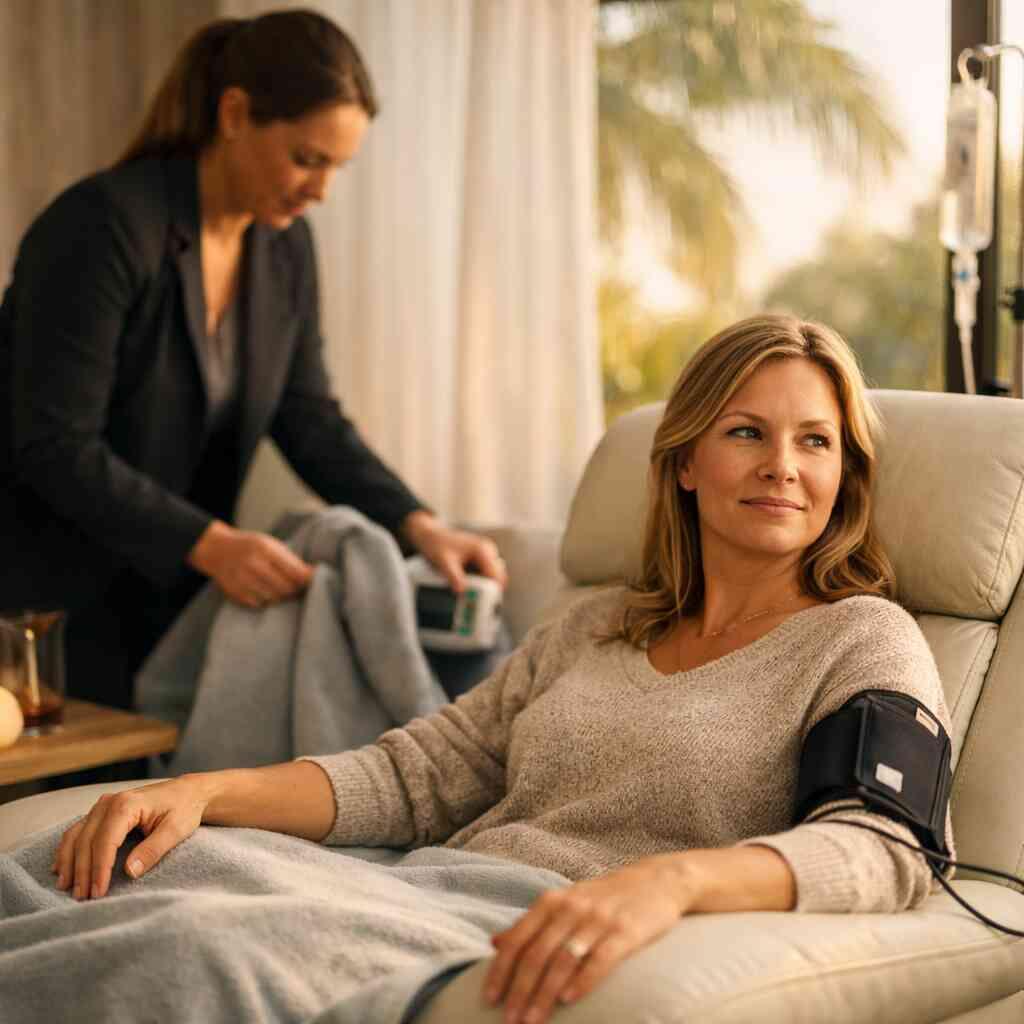
The long-term effects ketamine may vary by dose, frequency, and whether the treatment is supervised or misused. That is why the phrase “safe” should never mean “unchecked.” If you notice worsening concentration, emotional blunting, or memory issues, say so early. Small changes matter.
The ketamine treatment for chronic pain relief pathway can involve repeated sessions, so monitoring becomes even more important there. Chronic pain patients often already live with fatigue and cognitive strain. You do not want treatment adding avoidable fog.
Bladder cystitis ketamine urinary tract damage and the red flags that should never be ignored
Bladder cystitis, ketamine, and urinary tract damage are serious concerns, especially with heavy or recreational use. Warning signs include painful urination, blood in the urine, urgency, pelvic pain, and lower abdominal discomfort. These symptoms should never be brushed off.
This is one reason clinicians ask about prior ketamine exposure and misuse history. The risk profile changes with frequent, nonmedical use. The bladder can become inflamed and damaged over time. That is not a scare tactic. It is a documented safety issue.
If you notice urinary symptoms, seek medical evaluation promptly. If you also have a pattern of misuse, that should be addressed directly. Safety means telling the truth early, before the problem grows.
When therapeutic ketamine is not the story because misuse has taken over
Why Special K abuse and Super K abuse can turn into ketamine addiction and ketamine withdrawal
Special K abuse and Super K abuse can look recreational at first. Then the pattern changes. People start using more often, taking larger doses, hiding use, or chasing dissociation. At that point, ketamine addiction risk becomes real.
Ketamine withdrawal can include cravings, anxiety, sleep disruption, irritability, and a strong pull to use again. It may not look like alcohol withdrawal, but it can still be destabilizing. That is why misuse is not “just partying.” It can become a medical and psychiatric problem.
The ketamine addiction recovery from Special K abuse conversation should be direct and compassionate. Shame does not help. Clear assessment does. If ketamine has stopped being a treatment and become a compulsion, the plan has to change.
How ketamine overdose risk differs from a treatment dose in a clinical setting
A treatment dose in a clinic is not the same as recreational overuse. In a monitored setting, dose, timing, and observation are controlled. Oxygen level, blood pressure, and mental status can be watched. That structure lowers risk.
Ketamine overdose risk rises when people combine substances, take unknown powders, or use without supervision. Sedatives, alcohol, opioids, and other drugs can make things much more dangerous. Confusion, vomiting, loss of consciousness, and breathing problems need urgent attention.
If you are concerned about overdose, call emergency services right away. Do not wait to “sleep it off.” Clinical ketamine is medicine. Uncontrolled use is a different situation entirely.
When detox residential treatment outpatient program and dual diagnosis care become the right conversation
Sometimes the right next step is not another ketamine session. It is detox, assessment, and addiction treatment. If use is heavy, secretive, or tied to depression, trauma, or anxiety, a dual diagnosis approach may be appropriate. That means treating substance use and mental health together.
Options can include detox, residential treatment, or an outpatient program, depending on severity and safety. ASAM-informed placement should consider withdrawal, relapse risk, home stability, and co-occurring symptoms. If suicidality is present, the level of care may need to rise quickly.
The ketamine and addiction recovery support path often starts with a blunt but caring question: “Is this helping, or is it hurting?” That answer guides the level of care more than labels do.
Why rehab for ketamine often needs aftercare relapse prevention family therapy CBT DBT and holistic therapy
Rehab for ketamine should not end at discharge. Aftercare, relapse prevention, and family therapy can help rebuild trust and routine. CBT and DBT are often useful because they teach you how to handle urges, shame, and emotional swings. Holistic therapy can support sleep, stress, and structure.
People recovering from ketamine misuse often need help with triggers tied to trauma or loneliness. That is where a full plan matters. It should include medication management when needed, plus ongoing psychiatric support. Recovery is not just stopping use. It is building a life that feels livable.
If you are looking for ketamine addiction recovery from Special K abuse, ask about aftercare before you ask about discharge. That question reveals whether the program thinks beyond the immediate crisis. It should.
What to do next if you are weighing safety costs and a real plan forward
How insurance coverage ketamine self pay ketamine sliding scale and financial assistance ketamine are usually handled
Insurance coverage ketamine can be complicated. Spravato may have different coverage pathways than off-label IV ketamine or oral ketamine. Self-pay ketamine, sliding scale options, and financial assistance ketamine may help, but policies vary by clinic and payer. Exact pricing changes often, so always ask directly.
Some people worry that asking about cost means they are not serious. It does not. It means you are being realistic. That is smart. A clinic should explain estimates, what is included, and whether follow-up visits or monitoring fees apply.
If budget is part of your decision, review ketamine therapy costs in Florida alongside your treatment goals. Clarity on cost can prevent stress later. Stress matters when you are already trying to heal.
What to ask about Spravato Medicare coverage off label ketamine and Florida ketamine center access in Orlando Miami Tampa Jacksonville and West Palm Beach
Ask whether Spravato Medicare coverage applies to your situation and what documentation is needed. Ask how the clinic handles off-label ketamine and whether your diagnosis matches the treatment plan. Ask about access if you live in Orlando, Miami, Tampa, Jacksonville, or West Palm Beach. Regional convenience can affect whether you keep showing up.
Florida ketamine center access also means asking about licensed clinical oversight, monitoring, and emergency response procedures. You do not need to become a policy expert. You do need enough information to compare options. That includes Orlando ketamine clinic and treatment options if travel and timing matter.
People often ask whether ketamine is legal in Florida is the right question. The better question is whether the specific use is medically appropriate, properly supervised, and consistent with Florida practice standards. Legal status and good clinical judgment are not the same thing.
When ketamine assisted psychotherapy and integration therapy make sense alongside mood disorder treatment or trauma recovery
Ketamine-assisted psychotherapy can make sense when the medication is paired with meaningful therapeutic work. Integration therapy helps you process what came up during guided sessions. That can matter for trauma recovery, depression, and identity-related distress. Without integration, the experience may fade without lasting change.
This is especially relevant for PTSD, anxiety, and complex grief. The session may open a door, but therapy helps you walk through it carefully. Some people also do better when the treatment plan includes structured psychotherapy between sessions. That keeps the work grounded.
If you are considering ketamine therapy for PTSD recovery, ask how the clinic handles integration. A good plan does not stop at the infusion chair. It extends into real life.
How to decide between ketamine therapy Spravato esketamine telehealth ketamine consultation or a referral to addiction recovery and detox support
Start with the main problem. If the issue is TRD, PTSD, anxiety, OCD, or pain, a medical ketamine evaluation may fit. If the issue is misuse, cravings, or ketamine withdrawal, addiction treatment should come first. If you need more information before committing, a telehealth ketamine consultation may help you sort through the options.
Use the following checklist:
- Ask whether your symptoms fit therapeutic ketamine or addiction care.
- Confirm whether the clinic offers psychiatric evaluation and medication management.
- Ask how they monitor ketamine therapy side effects and long-term effects.
- Clarify whether you need Spravato esketamine or a different route.
- If misuse is present, ask about detox and referral options immediately.
You do not have to figure this out alone, and you do not have to figure it all out today. Start with one call, ask the hard questions, and choose the path that treats both your symptoms and your safety with equal respect.
Frequently Asked Questions
Question: What should I know about ketamine therapy safety at an Orlando ketamine clinic before starting ketamine infusions or Spravato esketamine?
Answer: Ketamine therapy safety starts with a thorough psychiatric evaluation, medical history review, and medication management plan before any treatment begins. At a reputable ketamine clinic Florida patients should expect screening for conditions that may increase risk, such as uncontrolled blood pressure, psychosis, unstable bipolar symptoms, pregnancy concerns, or substance use history. The goal is to match the right option, whether that is IV ketamine, intramuscular ketamine, oral ketamine, or FDA-approved Spravato esketamine, to your specific needs and safety profile. During guided ketamine sessions, clinicians monitor for dissociation, blood pressure changes, nausea, dizziness, and other ketamine treatment side effects. If you are asking about treatment-resistant depression, TRD support, anxiety relief ketamine, PTSD ketamine therapy, OCD ketamine support, or bipolar depression care, the safest first step is a careful evaluation rather than a rushed infusion. A thoughtful clinic should also explain driving after ketamine treatment, expected observation time, and follow-up instructions so you can plan your day safely.
Question: How does Ketamine Florida Guide to Safety and Side Effects in Orlando help people compare IV ketamine versus Spravato esketamine for major depressive disorder treatment?
Answer: The guide is designed to help Orlando patients understand the differences between IV ketamine versus Spravato esketamine in a clear, practical way. IV ketamine is typically delivered in a closely monitored clinic setting with direct control over dosing and observation, while Spravato esketamine is FDA-approved for specific depression indications and follows a structured certified treatment process. That distinction matters when you are weighing off-label ketamine treatment, insurance coverage ketamine questions, and the logistics of ongoing care. People looking for major depressive disorder treatment often want to know how quickly does ketamine work, how long do ketamine effects last, and whether ketamine infusions or Spravato might fit better with work, caregiving, or transportation needs in Orlando. The right answer depends on your diagnosis, history, and goals, which is why a psychiatric evaluation before ketamine is so important. A good clinic will not promise guaranteed outcomes, but it should explain the potential role of neuroplasticity and mood recovery, the limits of the evidence, and how the treatment setting changes supervision and access.
Question: What ketamine treatment side effects should I watch for during guided ketamine sessions, and when should I be concerned?
Answer: Common ketamine treatment side effects can include dissociation during ketamine treatment, sleepiness, dizziness, nausea, blurred vision, and temporary changes in blood pressure. Some people describe a psychedelic experience, while others feel detached, dreamy, or unusually calm. These effects can be expected in a monitored setting, but they should never feel chaotic or unsafe. Clinicians should watch for severe agitation, panic, confusion, chest pain, breathing trouble, fainting, or a headache that feels unusual. If you are receiving ketamine infusions for chronic pain relief, CRPS treatment, fibromyalgia management, migraine treatment, or mood disorder treatment, it is especially important to report any changes early so the dose and plan can be reviewed. Longer-term monitoring also matters because cognitive effects of ketamine and long-term effects ketamine can become more relevant with repeated exposure. A responsible ketamine clinic Florida team will talk openly about side effects ketamine, safety ketamine planning, and when to seek urgent medical care rather than minimizing concerns.
Question: Is ketamine addictive, and what should I do if Special K abuse, ketamine withdrawal symptoms, or ketamine overdose are part of my history?
Answer: Ketamine can be misused, and ketamine addiction risk is real, especially when use becomes frequent, secretive, or tied to chasing dissociation rather than medical care. Special K abuse and Super K abuse can lead to cravings, anxiety, sleep disruption, irritability, and other ketamine withdrawal symptoms when use stops. If you are worried about ketamine overdose, confusion, vomiting, loss of consciousness, or breathing problems, emergency help is needed right away. When misuse is part of the picture, the next step is usually not more ketamine therapy but a direct assessment for detox, residential treatment, or an outpatient program depending on severity and safety. Dual diagnosis treatment is often helpful because substance use and mental health symptoms may be driving each other. Rehab for ketamine should also include aftercare, relapse prevention, family therapy, cognitive behavioral therapy, DBT support, and holistic therapy when appropriate. A compassionate clinic will speak honestly about the risks, help you decide whether therapeutic ketamine still fits, and refer you to recovery support if needed.
Question: How do I decide between ketamine-assisted psychotherapy, integration therapy, telehealth ketamine, or a referral for detox and recovery support in Orlando?
Answer: The best choice depends on the main problem you are trying to solve. If you are seeking help for treatment-resistant depression, PTSD, anxiety, OCD, bipolar depression care, or chronic pain relief, ketamine-assisted psychotherapy and integration therapy may make sense alongside guided sessions. If you need help understanding whether IV ketamine, oral ketamine, intramuscular ketamine, or FDA-approved Spravato esketamine is the right fit, a telehealth ketamine consultation can be a helpful starting point. If misuse, cravings, or ketamine withdrawal symptoms are present, the priority should shift to detox and recovery support rather than continued treatment. For Florida patients, it is also reasonable to ask about insurance coverage ketamine, Spravato Medicare coverage, self-pay ketamine, sliding scale options, and financial assistance ketamine before making a decision. The most trustworthy plan is one that addresses safety, symptom relief, and long-term stability together. At Ketamine Florida, that means starting with a careful psychiatric evaluation, discussing realistic expectations, and helping you choose the path that fits your medical and life situation rather than forcing one approach for everyone.