If depression has silenced the person you used to know, home can feel tense, hopeful, and frightening all at once. Families often want to help, yet they are unsure what actually helps after ketamine treatment. That uncertainty is normal. In our work with ketamine therapy and ketamine clinic Florida patients, we hear this question often. The good news is that your steadiness matters more than perfect words.
When family help quietly makes the difference between a rough recovery and a safer one
Why the first 24 to 72 hours after ketamine infusions or Spravato can feel confusing at home
The first day or two after ketamine infusions or Spravato treatment can bring a strange mix of relief, sleepiness, and emotional looseness. Some people feel lighter. Others feel drained. A few feel distant or scattered. That can be unsettling if you were expecting a dramatic “back to normal” moment.
With IV ketamine, oral ketamine, intramuscular ketamine, or Spravato esketamine, the brain is still processing a major shift in perception and mood. Ketamine works through the NMDA receptor antagonist pathway and supports neuroplasticity, which is part of why it may help treatment-resistant depression, anxiety, PTSD, OCD, bipolar depression, and chronic pain. But the emotional reset does not arrive in a neat package. Families in South Florida, Miami, Fort Lauderdale, Orlando, Tampa, Jacksonville, and West Palm Beach often tell us the home phase feels more confusing than the clinic visit itself.
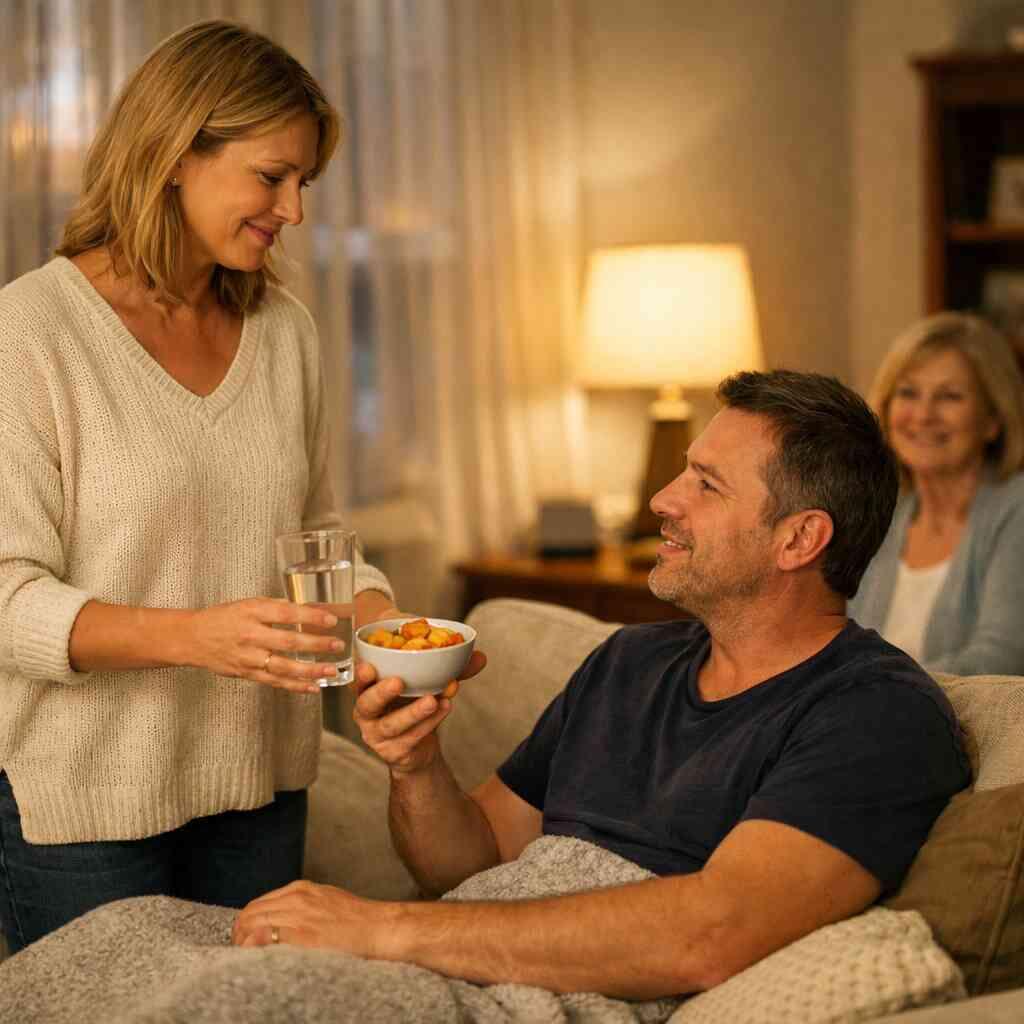
What helps most is simple: keep the environment quiet, keep expectations low, and keep your tone calm. A loved one may not need a lecture about motivation. They may need water, a snack, and permission to rest without being interrogated.
What loved ones often misread as moodiness, when it is actually dissociation, fatigue, or emotional processing
Here is the part most families miss. After ketamine therapy, a flat face or short answers are not always rejection. Sometimes they are dissociation. Sometimes they are post-treatment fatigue. Sometimes they are emotional processing after years of numbness. That can look like irritability if you are exhausted and worried.
One client’s spouse in Broward County kept asking if the patient was upset. The patient was not upset. She was tired, lightly dissociated, and trying to make sense of a memory that had surfaced during integration work. Once the family stopped pushing for explanations, the home atmosphere changed quickly. The silence became safer.
If you are supporting a loved one after ketamine treatment, try to separate behavior from meaning. Not every pause means distress. Not every tear means crisis. Not every quiet hour means the treatment failed. Gentle observation is far more useful than instant interpretation.
The biggest mistake families make when they try to fix the person instead of stabilizing the environment
Families often move too fast. They ask for updates, solutions, plans, and emotional clarity before the nervous system is ready. That pressure can shut things down. The goal is not to solve recovery at the kitchen table.
Instead, stabilize the room. Lower noise. Dim bright screens. Reduce conflict. Make food easy to reach. If a patient is working through emotional support during ketamine therapy, the environment should do part of the work. That is especially true for patients with major depressive disorder, PTSD, anxiety, or a history of suicidality.
Helpful home moves include:
- offering water without arguing
- keeping questions brief
- avoiding big decisions for a day or two
- protecting sleep
- letting the person set the pace for conversation
This is also where family support for ketamine recovery becomes practical, not abstract. Safety starts with fewer demands, not more.
What support should look like after ketamine treatment and what should stay hands off
How to create a calm recovery space that supports sleep, hydration, food, and low stimulation
A good recovery space feels boring in the best way. Think clean water, easy snacks, a comfortable couch or bed, and low stimulation. After ketamine treatment, the nervous system may be sensitive. Loud television, crowded rooms, and constant questions can feel like pressure rather than care.
If you live near Miami traffic, a busy Orlando household, or a high-energy Tampa home, plan for quiet on purpose. Close the blinds. Keep the temperature comfortable. Put phones on silent when possible. Support ketamine safety at home the same way you would support recovery from any intense medical intervention: with structure and calm.
Food matters more than people think. Light meals often work better than heavy ones. Hydration matters too. Sleep matters most. If your loved one is having what to expect after ketamine infusions and mood changes, do not force a cheerful performance. Help the body settle first.
Which conversations help after ketamine-assisted psychotherapy and which ones can shut healing down
After ketamine-assisted psychotherapy, some conversations deepen healing. Others interrupt it. The best conversations are grounded, curious, and brief. You might ask, “What felt important?” or “Would you like company, or quiet?” Those questions open space without cornering the person.
What usually backfires is pressure. Avoid “Why are you still sad?” Avoid “Did it even work?” Avoid asking for a full trauma narrative right away. Integration therapy needs room. So does dignity.
If your loved one is using ketamine integration therapy for healing after treatment, let meaning unfold slowly. The brain often sorts experience over several days. The patient may need to talk in fragments before anything feels coherent. That is not failure. That is processing.
When to encourage rest, when to encourage movement, and when to wait for the clinician’s guidance
Rest is usually the default after ketamine treatment. Short walks, stretching, or gentle movement can help later, but only if the person feels steady. If they are dizzy, dissociated, or overly tired, rest wins. If they are clear and ask to move, keep it light.
Use clinician guidance when symptoms are complex. That matters especially for bipolar depression, chronic pain, or patients combining ketamine treatment with other psychiatric medications. Some people benefit from a predictable routine. Others need more flexibility during the first phase of treatment.
From what we have seen this year, the families who do best do less. They do not try to optimize every hour. They watch, ask, and adjust. That simple discipline often does more than long lectures ever could.
How family therapy for mental health recovery can reduce conflict without turning home into a clinic
Family therapy for mental health recovery is useful when stress patterns keep repeating. It gives everyone language. It reduces blame. It also keeps the home from becoming a second treatment room.
A strong therapist can help with communication strategies for families, setting healthy boundaries during recovery, and reducing stigma around ketamine treatment. That is especially important if the patient also needs medication management or psychiatric follow-up care. Families do not need to become clinicians. They need tools.
In some cases, families also need help with aftercare planning for ketamine treatment. That can include who drives, who checks in, and how often updates happen. Clear roles reduce conflict. Clear roles also reduce panic.
The signals families should watch for after treatment in depression, PTSD, anxiety, OCD, bipolar depression, and chronic pain
How to spot normal short-term side effects ketamine may cause versus warning signs that need a call to the clinic
Some side effects are expected. Mild dizziness, nausea, sleepiness, light dissociation, or a brief headache can happen after ketamine therapy. These effects usually fade. They should improve rather than intensify. That distinction matters.
Warning signs deserve faster attention. Call the clinic if confusion deepens, agitation rises, hallucinations feel distressing, or the person seems unsafe. If you are unsure, ask. That is not overreacting. It is responsible observation.
Families often search for recognizing ketamine therapy side effects because they do not want to miss something important. That instinct is sound. Ketamine therapy side effects should be taken seriously, especially if the person also has medical illness, uses multiple medications, or has a history of substance use.
What mood shifts can look like after treatment-resistant depression or suicidality starts improving
Improvement does not always look joyful. Sometimes the first sign is a small return of energy. Sometimes it is better sleep. Sometimes it is the ability to answer a text or eat breakfast. Families expecting instant optimism may miss these quieter wins.
With treatment-resistant depression, early changes can feel subtle. The person may still look serious, but they may be less trapped. With suicidality, the change may be even more delicate. Less hopelessness may show up before the person can describe hope. That is why close, compassionate monitoring matters.
Here is what families should watch for:
- more consistent sleep
- fewer shutdowns
- better appetite
- less intense self-criticism
- more engagement with daily tasks
If the person is moving through support for anxiety and PTSD recovery after ketamine or support for PTSD recovery after ketamine treatment, progress may be uneven. That does not mean it is not real.
How to tell whether pain relief is helping function or simply masking a bigger problem
Ketamine can help chronic pain, including CRPS, fibromyalgia, and migraine-related suffering. But pain relief only matters if it improves life. Ask whether the person is sleeping better, moving more easily, and participating in normal tasks. That is function. Numbing alone is not the goal.
Pain can sometimes fall while mood or coping problems stay hidden. In that case, the person may look better while still spiraling. Families should watch for skipped meals, isolation, or increasing irritability. That pattern can signal that pain relief is masking stress instead of resolving it.
The clearest sign of progress is not just less pain. It is more life. More conversation. More motion. More capacity.
When cognitive effects, urinary symptoms, or worsening confusion should be taken seriously
Long-term effects ketamine can include cognitive effects, bladder cystitis ketamine concerns, and urinary tract damage if misuse is present. Those risks deserve respect. So do worsening confusion and memory problems. If the person seems more disoriented over time, do not brush it off. 
Urinary symptoms are especially important. Burning, frequency, urgency, blood in the urine, or pelvic pain should prompt medical attention. Do not wait and hope. Ketamine therapy safety includes watching for body changes, not just mood changes.
This is why ketamine clinic Florida teams often ask families to stay alert between visits. Short-term ketamine therapy side effects may be mild. But persistent confusion or urinary symptoms need a clinician’s review. That is true for FDA-approved Spravato and off-label ketamine alike.
Why recovery support changes completely when ketamine misuse is part of the story
How to recognize ketamine addiction, Special K abuse, Super K use, and other warning signs without shaming
If ketamine misuse is involved, the approach changes. The language should change too. You can be direct without being cruel. Repeated secrecy, escalating use, obsession with getting more, and mood swings around access are warning signs. So are blackouts, risky behavior, and using despite harm.
People often ask, is ketamine addictive? The honest answer is that it can become compulsive, especially with recreational use. Special K addiction and Super K abuse can carry ketamine overdose risk, memory problems, and serious bladder harm. Shaming usually makes hiding worse. Facts help more than blame.
Families in Florida often tell us they did not realize how fast things changed. A person may begin with social use and end with withdrawal, financial stress, and isolation. If that sounds familiar, ketamine misuse warning signs and recovery support is the right lens, not more guessing.
What families in Florida should know about detox, residential treatment, outpatient program options, and dual diagnosis care
When misuse is present, families may need detox, residential treatment, or an outpatient program. The best level of care depends on safety, severity, and co-occurring illness. Dual diagnosis care matters because substance use and mood disorders often travel together.
Florida families should know that treatment planning is usually stepwise. A psychiatric evaluation can clarify depression, anxiety, PTSD, bipolar depression, or other conditions. That evaluation also helps determine whether medication management, CBT, DBT, or holistic therapy should be added. No single plan fits everyone.
If the person needs a structured next step, ketamine addiction recovery and dual diagnosis care may be the right conversation. The goal is not punishment. The goal is stabilization, safety, and honest care.
How relapse prevention, aftercare, and family boundaries work together during recovery from ketamine overdose risk and compulsive use
Relapse prevention is more than a slogan. It means removing easy access, clarifying rules, and reducing ambiguity. Aftercare matters because cravings and triggers do not disappear simply because a crisis has passed. Family boundaries are part of treatment, not a side issue.
Boundaries might include no cash for risky purchases, no covering for missed appointments, and no arguing while someone is intoxicated. That is hard. It is also loving. Clear limits protect everyone.
If the family is trying to hold the line alone, relapse prevention for ketamine recovery and family boundaries can provide structure. When the risk includes ketamine overdose or compulsive use, vague support is not enough. You need a plan.
When to seek help through /addiction-recovery/ and /detox/ instead of trying to manage it alone
Some situations need professional help now. If the person is losing control, hiding use, mixing substances, vomiting repeatedly, becoming highly confused, or talking about self-harm, do not wait. Seek addiction support quickly. In many cases, understanding ketamine withdrawal and recovery warning signs can help families decide what to do next.
Use /addiction-recovery/ when misuse is ongoing but the person can still engage. Use /detox/ when physical or psychiatric instability is rising. If there is immediate danger, call emergency services. That is not dramatic. It is appropriate.
The hardest part is often admitting the problem is bigger than the household can contain. That admission is not failure. It is clarity.
The next move that helps a loved one keep progress going after ketamine therapy
How to coordinate psychiatric evaluation, medication management, and follow-up care without overwhelming the person
A strong recovery plan does not dump ten tasks on one tired brain. Start with the essentials. Make sure follow-up care is scheduled. Make sure medication management is reviewed. Make sure the treating clinician knows what happened at home.
This is where supporting adherence to treatment plans becomes practical. Write down questions before the appointment. Track mood, sleep, pain, and side effects. Bring that information to the clinic. It helps the team see patterns faster.
If the loved one is receiving ketamine infusions, Spravato, oral ketamine, or intramuscular ketamine, consistency matters. So does communication. The most useful family member is often the one who notices changes without turning every change into an emergency.
What integration therapy, CBT, DBT, and holistic therapy can look like between appointments
Between sessions, healing needs repetition. Integration therapy helps the person make sense of the psychedelic experience or dissociation. CBT can challenge distorted thoughts. DBT can strengthen distress tolerance and emotional regulation. Holistic therapy can support sleep, nutrition, breath work, and routine.
Families can reinforce these skills quietly. Encourage journaling if the person wants it. Protect therapy appointments. Avoid mocking coping tools that seem small. Small tools often carry big weight.
If you want a better picture of ketamine integration therapy, think of it as meaning-making with guardrails. The treatment may open a door. Integration helps the person walk through it safely.
How families can support veterans, LGBTQ adults, seniors, and teens with trauma recovery in a Florida setting
Trauma recovery is never one-size-fits-all. Veterans may need direct, practical support. LGBTQ adults may need affirmation and safety from family rejection. Seniors may need help sorting medication changes and transportation. Teens may need structure without surveillance.
Florida adds its own realities. Heat, travel distance, seasonal stress, and busy family schedules can complicate care. That is true whether the person is in Jacksonville, West Palm Beach, Miami, or Orlando. Trauma-informed family support should fit the person’s life, not force them into someone else’s mold.
For some patients, support for PTSD recovery after ketamine treatment becomes stronger when family members learn to listen without fixing. That is hard work. It is also deeply effective.
When to ask about insurance coverage ketamine, self-pay, sliding scale, or /admissions/insurance/ before the next infusion
Cost matters. Families should ask about insurance coverage ketamine, self-pay ketamine, sliding scale, private pay, and financial assistance ketamine before the next visit. For Spravato Medicare coverage or broader insurance questions, it helps to ask directly. Policies vary, and Florida clinics often help families understand the paperwork.
If you are comparing options, you may also want to ask about the cost of ketamine therapy and what is included. That conversation should happen early, not at the last minute. It is easier to plan than to panic.
Before the next infusion, review ketamine and esketamine treatment differences in Florida if you are unsure which route fits best. You do not need to become an expert overnight. You only need enough clarity to make the next choice well.
How to know whether to call /ketamine-therapy/, /spravato/, /depression/, or /ptsd/ for the right next step
If the person is seeking therapeutic care, /ketamine-therapy/ is often the best place to start. If the treatment is FDA-approved esketamine, /spravato/ may be the right page. If depression remains the central problem, /depression/ can help guide the discussion. If trauma symptoms dominate, /ptsd/ may fit better.
The right next move is the one that matches the actual problem. That sounds simple, but it saves time. It also prevents families from guessing in circles.
If you are unsure, call the clinic and describe what changed. Mention mood, sleep, pain, confusion, safety concerns, and any signs of misuse. You do not have to figure this out alone, and you do not have to solve every layer today. Start with one clear call, and bring the family’s observations with you.
Frequently Asked Questions
Question: In Best Ways for Families to Support Ketamine Recovery, what does family support for ketamine recovery look like during the first 24 to 72 hours after ketamine infusions or Spravato treatment?
Answer: In the first 24 to 72 hours, the most helpful family support is usually calm, practical, and low-pressure. After ketamine treatment, a loved one may feel sleepy, emotionally open, a little distant, or mildly dissociated, and that can be confusing if you expect them to act completely normal right away. Families can help by creating a quiet space, offering water and light snacks, protecting sleep, and avoiding repeated questions or big decisions. This kind of ketamine recovery at home supports the body and mind while the person settles after treatment. If anything feels unusual, especially worsening confusion or distress, it is appropriate to contact the clinic for guidance. Ketamine Florida encourages families to focus on safety ketamine, not perfection, because a steady environment often helps more than advice or pressure.
Question: How can families tell the difference between normal ketamine therapy side effects and warning signs that mean we should call Ketamine Florida?
Answer: Some ketamine therapy side effects can be expected and short-lived, such as mild dizziness, sleepiness, nausea, a brief headache, or light dissociation. These effects should usually improve as time passes. Warning signs are different. Families should call Ketamine Florida if confusion deepens, agitation increases, hallucinations feel distressing, the person seems unsafe, or urinary symptoms appear, since bladder cystitis ketamine concerns and urinary tract damage are more serious issues that should not be ignored. It is also important to pay attention to cognitive effects, especially if they persist rather than fade. Our team can help families recognize ketamine therapy side effects and safety concerns without overreacting or minimizing them. When in doubt, asking the clinic is the right move.
Question: What does supportive aftercare planning for ketamine treatment include for treatment-resistant depression, anxiety, PTSD, OCD, bipolar depression, or chronic pain?
Answer: Good aftercare planning for ketamine treatment is more than scheduling the next visit. It can include medication management, psychiatric evaluation, follow-up care, and family education about what changes to watch for at home. For people with treatment-resistant depression, TRD, anxiety, PTSD, OCD, bipolar depression, or chronic pain such as CRPS, fibromyalgia, or migraine, support often needs to include rest, routine, and a calm environment. Families can also reinforce coping skills, encourage CBT or DBT when recommended, and support integration therapy after ketamine-assisted psychotherapy or psychedelic therapy. Ketamine Florida helps patients and families coordinate practical next steps so the person is not carrying recovery alone. The goal is to support stability, communication, and relapse prevention for ketamine recovery without overwhelming anyone.
Question: Best Ways for Families to Support Ketamine Recovery sounds helpful, but what should families do if they are worried about ketamine addiction, Special K addiction, Super K abuse, or ketamine withdrawal?
Answer: If misuse is part of the picture, the approach should become more direct and more structured. Families should watch for secrecy, escalating use, mood swings around access, blackouts, risky behavior, or continued use despite harm. These can be warning signs of ketamine addiction, and it is reasonable to ask whether is ketamine addictive becomes relevant in the specific situation. Ketamine withdrawal, ketamine overdose risk, and worsening mental health concerns may require professional support. In those cases, Ketamine Florida can help families think through the right level of care, which may include detox, residential treatment, an outpatient program, or dual diagnosis treatment when substance use and mood disorders overlap. The most helpful family response is usually clear boundaries, honest communication, and quick connection to care instead of shame or secrecy.
Question: How can families support a loved one after ketamine treatment while also coordinating medication management, follow-up care, and emotional support during ketamine therapy?
Answer: Families can support a loved one after ketamine treatment by keeping recovery simple and organized. That means helping track sleep, mood, pain, and side effects, encouraging medication management, and making sure follow-up care and psychiatric appointments actually happen. It also helps to use communication strategies for families, such as asking short questions, offering choices, and respecting quiet time. If the person is receiving IV ketamine, oral ketamine, intramuscular ketamine, or Spravato esketamine, the details of care may differ, but the principle stays the same: reduce stress and support consistency. Families can also reinforce holistic therapy routines, support DBT skills practice, and protect therapy time so the person can process the psychedelic experience or dissociation without feeling rushed. Ketamine Florida’s approach is compassionate and practical, with an emphasis on family therapy for mental health recovery, reducing stigma around ketamine treatment, and helping people move forward safely.