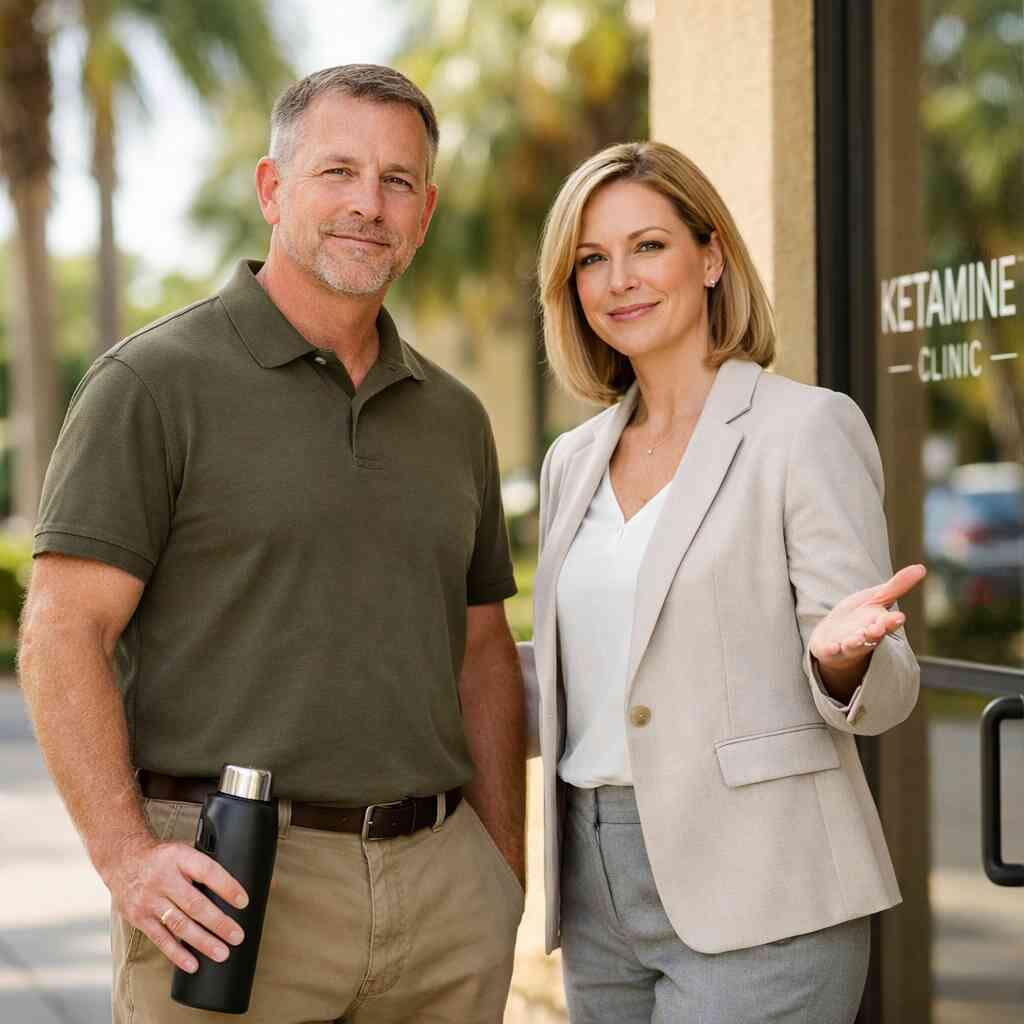
When depression keeps winning even after the uniform comes off
Some veterans describe it this way: the mission ended, but the heaviness did not. You got home, handled the paperwork, and kept moving. Still, the sleep got worse, the mood got flatter, and ordinary tasks started to feel like uphill work. If you are reading this because nothing has felt quite right for a long time, that exhaustion makes sense.
Why TRD can look different in veterans than in civilian life
Treatment-resistant depression care for veterans often looks more complicated than standard depression care. Veterans may carry PTSD, chronic pain, sleep disruption, moral injury, or traumatic brain injury concerns alongside major depressive disorder. That mix can blur the picture, because what feels like depression may also include hypervigilance, numbness, irritability, or constant physical tension. In Florida, we hear this pattern often from people who have already tried multiple medications and still feel stuck.
One client in the Tampa area described it as living with two radios turned on at once. One played panic. The other played fatigue. That is the kind of overlap that can make TRD harder to treat with a single medication change. It also explains why a careful psychiatric evaluation matters before anyone talks about ketamine therapy.
The signals that standard antidepressants are no longer enough
There is no shame in noticing that the usual path has not worked. You may have tried SSRIs, SNRIs, augmentation, therapy, and dosage changes. You may also have had brief improvement, then a slide back into the same dark place. The problem is not effort. The problem is fit.
A few common signs suggest you need a deeper reassessment:
- Persistent low mood after several medication trials
- Return of suicidal thoughts
- Severe anhedonia, or loss of interest
- Depression tied to chronic pain or trauma
- Side effects that prevent staying on treatment
- Mixed symptoms, including anxiety, agitation, or emotional shutdown
That is where a psychiatric evaluation for ketamine can help clarify next steps. If you want a clinical overview, What Is Ketamine Therapy for TRD in Florida 2026 explains the basics in plain language. The point is not to promise a cure. The point is to identify a treatment path that finally matches the problem in front of you.
Where ketamine therapy fits when suicidality, PTSD, and chronic pain overlap
Here is what almost no online guide says clearly enough: veterans rarely arrive with just one diagnosis. Depression may sit beside PTSD, anxiety, OCD, bipolar depression, or chronic pain conditions like CRPS, fibromyalgia, or migraine. In those cases, ketamine therapy for veterans in Florida can be considered because it may act faster than traditional antidepressants and may help interrupt a severe downward spiral.
That does not mean it is the right choice for everyone. It does mean the conversation should be broader than “Which antidepressant next?” If suicidality is present, the urgency rises. If trauma symptoms are driving the depression, trauma-informed care becomes essential. If pain is amplifying hopelessness, then mood care and pain care should stop being treated like separate rooms.
What actually happens inside a Florida ketamine clinic before any infusion starts
The first appointment should feel more like a careful clinical assessment than a sales pitch. A good ketamine clinic Florida patients trust will screen for diagnosis, medication history, substance use, blood pressure concerns, and safety issues. That matters because off-label ketamine is still medical treatment, not a casual experiment. In Florida, the safest clinics also talk clearly about logistics, supervision, and follow-up.
The psychiatric evaluation that decides whether IV ketamine or Spravato esketamine makes sense
A solid evaluation usually asks a few hard questions. What has already been tried? What symptoms are leading right now? Is depression the main issue, or are PTSD, pain, or bipolar features dominant? Has there been a recent suicide risk assessment?
This is also where IV ketamine vs Spravato in Florida becomes a real discussion. IV ketamine is often used off-label for TRD and related conditions. Spravato esketamine treatment is FDA-approved for certain depression indications and is given in a monitored setting. For some people, insurance coverage is more accessible with Spravato, while others may be better matched to IV treatment based on clinical needs and prior response.
How NMDA receptor antagonist therapy may support neuroplasticity and faster mood relief
Ketamine works differently from classic antidepressants. It acts as an NMDA receptor antagonist, which changes glutamate signaling and may support neuroplasticity. In simpler terms, it may help the brain become more flexible again. That flexibility can matter when depression has made thinking rigid and self-defeating.
Research has shaped this field for years. Early work, including the Berman study and later the Murrough trial, helped show that ketamine could produce rapid antidepressant effects in some patients. Still, rapid does not mean guaranteed, and not every response lasts the same amount of time. If you want a deeper explanation of the biology, How Ketamine Florida Explains Neuroplasticity and Mood is a helpful companion read.
What guided sessions feel like when dissociation starts and why safety matters
Most people want to know one thing first: will I hallucinate on ketamine? Some people experience altered perception, dreamlike thinking, or mild dissociation. Others feel detached from their body or surroundings. That can sound frightening, but in a supervised clinic it is usually managed with calm guidance, monitoring, and a quiet setting.
A guided session should never feel chaotic. You may wear an eye mask, listen to music, and remain under observation while your blood pressure and response are monitored. Safety is the point. In our experience, people feel more at ease when they know exactly who is watching, what the session is for, and what happens if they feel unsettled.
The practical split between IV ketamine, oral ketamine, intramuscular ketamine, and FDA-approved Spravato
Different routes serve different goals. The choice is not about hype. It is about absorption, supervision, convenience, and coverage. Here is a simple comparison: 
OptionTypical settingMain advantageMain limitationIV ketamineClinic infusionPrecise, monitored deliveryUsually off-label and often self-paySpravato esketamineCertified clinicFDA-approved for qualifying depression casesMust follow REMS-style supervisionOral ketamineSelected casesEasier administrationVariable absorption and less direct monitoringIntramuscular ketamineClinic settingFaster setup than IV in some settingsStill requires careful clinical oversightIf you are comparing treatment paths, The Difference Between IV Ketamine and Spravato in Florida gives a practical side-by-side view. The right option depends on diagnosis, safety, and access. Some clinics may also discuss ketamine-assisted psychotherapy later in the process. ### Insurance coverage ketamine questions, self-pay realities, and when financial assistance or sliding scale options may matter in Florida
This is the part most people find uncomfortable, and that is normal. Insurance coverage ketamine questions can be confusing because coverage varies by plan, diagnosis, documentation, and treatment type. Spravato Medicare coverage may be available in some situations, while IV ketamine is often harder to get covered because it is commonly considered off-label. That can make self-pay ketamine or private pay the practical route for some families.
A few clinics may discuss financial assistance ketamine options, sliding scale, or payment planning. You should ask directly about prior authorization, expected visit structure, and documentation needs. For a Florida-specific overview, the Ketamine Treatment Florida page is a reasonable starting point. If cost is part of your decision, clarity matters more than assumptions.
The part most people miss is not the dose but the plan after the relief
A fast improvement can feel like a door opening. That is real. But relief is not the same as recovery. If the underlying trauma, grief, pain, or family strain is still untreated, the old patterns can return. The strongest plans pair treatment with structure.
How veterans can build ketamine-assisted psychotherapy and integration therapy around trauma recovery
Ketamine-assisted psychotherapy is not just a buzz phrase. It means pairing symptom relief with therapy that helps you make sense of what shifted. For veterans, that often includes integration therapy, grounding skills, and trauma work that respects pacing. Some programs draw from Cognitive Processing Therapy or other evidence-based approaches for PTSD.
A veteran we spoke with in South Florida described one session as “turning the volume down enough to think.” That is a useful description. It does not mean the work is done. It means therapy can finally land. If trauma is central, Best Ways Ketamine Florida Supports PTSD Recovery can help you understand how this fits.
What medication management, CBT, DBT, family therapy, and holistic therapy can add after the acute session
The best outcomes usually come from layered care. Medication management may still be needed. CBT can help you challenge the thoughts that keep depression locked in place. DBT can support emotion regulation and distress tolerance, especially when impulsivity or self-harm risk is part of the story. Family therapy can reduce confusion at home, which matters more than people realize.
Holistic support can help too, as long as it stays grounded. Sleep, movement, nutrition, hydration, and routine all shape recovery. None of that replaces medical care. It strengthens it. If pain and mood are intertwined, Ketamine treatments for Chronic Pain may be worth reviewing alongside mental health treatment.
Ketamine addiction risks, Special K abuse, withdrawal concerns, and when rehab for ketamine, detox, residential treatment, or outpatient program care becomes the right path
Let’s be direct. Is ketamine addictive? It can be, especially in recreational use. Special K addiction and Super K abuse can lead to compulsive use, memory problems, bladder damage, and social fallout. Ketamine withdrawal can include cravings, anxiety, sleep problems, and low mood. That is why medical ketamine treatment and recreational misuse are not the same conversation.
If misuse is part of the picture, a different level of care may be needed. That could include rehab for ketamine, detox, residential treatment, or an outpatient program with dual diagnosis support. Some people need relapse prevention, family work, and structured aftercare. If that sounds relevant, Ultimate Guide to Ketamine Florida and Addiction Recovery explains how recovery planning works with this substance.
Side effects ketamine patients should understand from short-term dissociation to bladder cystitis, urinary tract damage, cognitive effects, and ketamine overdose awareness
Every treatment has risks, and ketamine is no exception. Ketamine therapy side effects can include dizziness, nausea, blood pressure changes, dissociation, and temporary confusion. Short-term effects are often manageable in supervised care, but long-term risks deserve attention too. Repeated misuse has been associated with bladder cystitis, urinary tract damage, and cognitive effects.
Overdose is another issue people ignore until it becomes urgent. Ketamine overdose can involve severe confusion, dangerous sedation, breathing concerns, or injury from impaired judgment, especially with other substances. The safest clinics discuss safety ketamine measures before treatment begins and review how to respond if side effects feel unexpected. For a more complete symptom breakdown, What Are the Side Effects of Ketamine Therapy in 2026 is a useful reference.
How Florida patients can think about aftercare, relapse prevention, driving after ketamine treatment, and choosing the right next level of support in Miami, Fort Lauderdale, Orlando, Tampa, Jacksonville, or West Palm Beach
Aftercare is where treatment becomes real life. That means sleep planning, follow-up visits, therapy scheduling, and a clear relapse prevention plan. It also means knowing driving after ketamine treatment is usually not appropriate until the clinic clears you, since alertness can be impaired for a period afterward. In Florida, that practical detail matters just as much as the clinical one.
If you are comparing care options by location, it helps to think about access and consistency. Some patients need a South Florida ketamine clinic close to home. Others look for Miami ketamine, Fort Lauderdale ketamine, Orlando ketamine, Tampa ketamine, Jacksonville ketamine, or West Palm Beach ketamine options because follow-up logistics matter. For location planning, Area We Serve for TMS Treatment and Therapy can help you see what is available. If you are in Orange, Broward, Duval, or Palm Beach County, local access can shape adherence more than people expect.
What ketamine therapy side effects should I watch for?
Most people notice short-term dissociation, sleepiness, nausea, or blood pressure changes. Those effects usually fade with monitoring and rest. Still, you should report chest pain, severe confusion, fainting, breathing trouble, or worsening suicidal thoughts right away.
How quickly does ketamine work for depression?
Some people notice changes within hours or days, especially with IV ketamine. Others need a fuller series before benefits become clear. The response timeline varies, so good follow-up matters more than guessing based on one session.
How long do ketamine effects last?
That depends on diagnosis, treatment type, and whether therapy and medication management continue afterward. Some people feel relief for days or longer, while others need maintenance planning. No clinic should promise a fixed duration.
Is ketamine legal in Florida?
Yes, ketamine is legal when prescribed and supervised within appropriate medical care. The important issue is not legality alone. It is whether the clinic follows safe medical standards and Florida requirements for care delivery.
Will I be able to drive after treatment?
Usually, no. You should arrange a ride and wait for clinic clearance. This is one of the most important safety rules because dissociation and reaction time changes can linger after the session.
What if I also have a family member who is worried?
Family support can help a lot, especially for veterans dealing with PTSD and depression together. A clinic that includes education, follow-up, and clear communication can make the process less overwhelming. Start with one conversation, and keep it simple.
Frequently Asked Questions
Question: In Ketamine Florida Guide to TRD Care for Veterans in 2026, how does ketamine therapy for veterans fit into treatment-resistant depression care when PTSD, chronic pain, or suicidality are also present?
Answer: Ketamine therapy for veterans is often considered when standard depression care has not brought enough relief, especially when treatment-resistant depression overlaps with PTSD, anxiety, chronic pain, or acute suicidality. At Ketamine Florida, the starting point should always be a careful psychiatric evaluation for ketamine so the clinical team can look at the full picture, including past medications, trauma history, sleep problems, pain conditions, and current safety concerns. Because veterans may experience major depressive disorder alongside trauma recovery needs or chronic pain and mood disorder care, treatment is usually most effective when it is part of a broader plan that may include medication management, CBT, DBT, family therapy, and aftercare. Ketamine is not presented as a guaranteed fix, but as a potentially rapid-acting depression relief option that may help interrupt a severe downward spiral when other approaches have not been enough.
Question: What is the difference between IV ketamine, oral ketamine, intramuscular ketamine, and FDA-approved Spravato esketamine for depression treatment in Florida?
Answer: The main difference is the delivery method, the level of supervision, and whether the treatment is off-label or FDA-approved for certain depression indications. IV ketamine for mood disorders is commonly used off-label ketamine for TRD and is usually administered in a clinic setting with close monitoring. Spravato esketamine treatment is FDA-approved for qualifying depression cases and must be given in a monitored setting with the safety steps required for that medication. Oral ketamine and intramuscular ketamine may also be discussed in some care plans, but they are not the same as IV ketamine and can differ in absorption, monitoring, and clinical use. At Ketamine Florida, the right option depends on diagnosis, safety, prior treatment history, and practical access issues such as insurance coverage for ketamine, self-pay ketamine options, or whether a patient is better matched to a Florida ketamine center visit rather than a different care format.
Question: How quickly does ketamine work, and how many ketamine infusions for depression are usually needed before someone notices a change?
Answer: Some patients notice changes within hours or days, especially with IV ketamine treatment, while others need a fuller series before benefits become clear. The answer to how many ketamine infusions for depression are needed varies based on diagnosis, symptom severity, and whether treatment is being paired with integration therapy, medication management, or trauma-focused care. It is important not to expect a fixed result or timeline, because ketamine therapy side effects, dissociation during ketamine treatment, and overall response can differ from person to person. Ketamine Florida’s approach should be thoughtful and individualized rather than built around promises. For veterans and others with treatment-resistant depression, the goal is to create a safe path toward symptom relief, then build on that progress with relapse prevention planning and aftercare for mental health treatment.
Question: Is ketamine legal in Florida, and what should veterans know about driving after ketamine treatment and ketamine therapy side effects?
Answer: Yes, ketamine is legal in Florida when it is prescribed and supervised within appropriate medical care. The important question is not legality alone, but whether the clinic follows safe medical standards and Florida practice expectations. Before treatment, patients should understand common ketamine therapy side effects such as nausea, dizziness, temporary confusion, blood pressure changes, and dissociation. Some people ask, will I hallucinate on ketamine, and the answer is that altered perception or a dreamlike state can happen, but a supervised setting is designed to manage that safely. Driving after ketamine treatment is usually not appropriate until the clinic clears the patient, because judgment and reaction time can be impaired for a period afterward. A trusted ketamine clinic Florida patients can rely on should explain these safety steps clearly, review medication interactions, and make sure the patient knows what to expect before any guided ketamine sessions begin.
Question: How does Ketamine Florida support veterans who may also be dealing with ketamine addiction, ketamine withdrawal, or dual diagnosis concerns?
Answer: Ketamine treatment in a medical setting is very different from recreational misuse, but it is still important to screen for ketamine addiction, Special K addiction, or Super K abuse when there is any concern about prior substance use. If misuse, ketamine withdrawal, or ketamine overdose risk is part of the picture, treatment may need to include dual diagnosis support, rehab for ketamine, detox, residential treatment, or an outpatient program depending on severity. At Ketamine Florida, the safest path is to start with a psychiatric evaluation and be direct about history, symptoms, and current risk so the care plan can be appropriate. That may also include relapse prevention planning, family therapy, and coordination with medication management or therapy referrals. The goal is not to shame anyone, but to make sure the patient receives the right level of care and that ketamine side effects and long-term effects of ketamine are discussed honestly.
Question: What should Florida veterans and families know about ketamine-assisted psychotherapy, insurance coverage ketamine, and the cost of ketamine therapy?
Answer: Ketamine-assisted psychotherapy can be a valuable part of care because it pairs symptom relief with integration therapy, trauma recovery, and practical support that helps the experience translate into daily life. For veterans, that may be especially helpful when PTSD treatment for veterans, anxiety relief with ketamine, or chronic pain and mood disorder care are all part of the same clinical picture. On the financial side, insurance coverage ketamine can vary widely depending on the treatment type, diagnosis, and plan. Spravato Medicare coverage may be available in some situations, while IV ketamine is often self-pay or private pay because it is commonly considered off-label. Some patients also ask about sliding scale mental health care or financial assistance ketamine options, and those questions should be discussed directly with the clinic. Ketamine Florida should provide clear information about available paths without exaggerating results or inventing pricing, so families can make informed decisions based on access, safety, and long-term treatment goals.