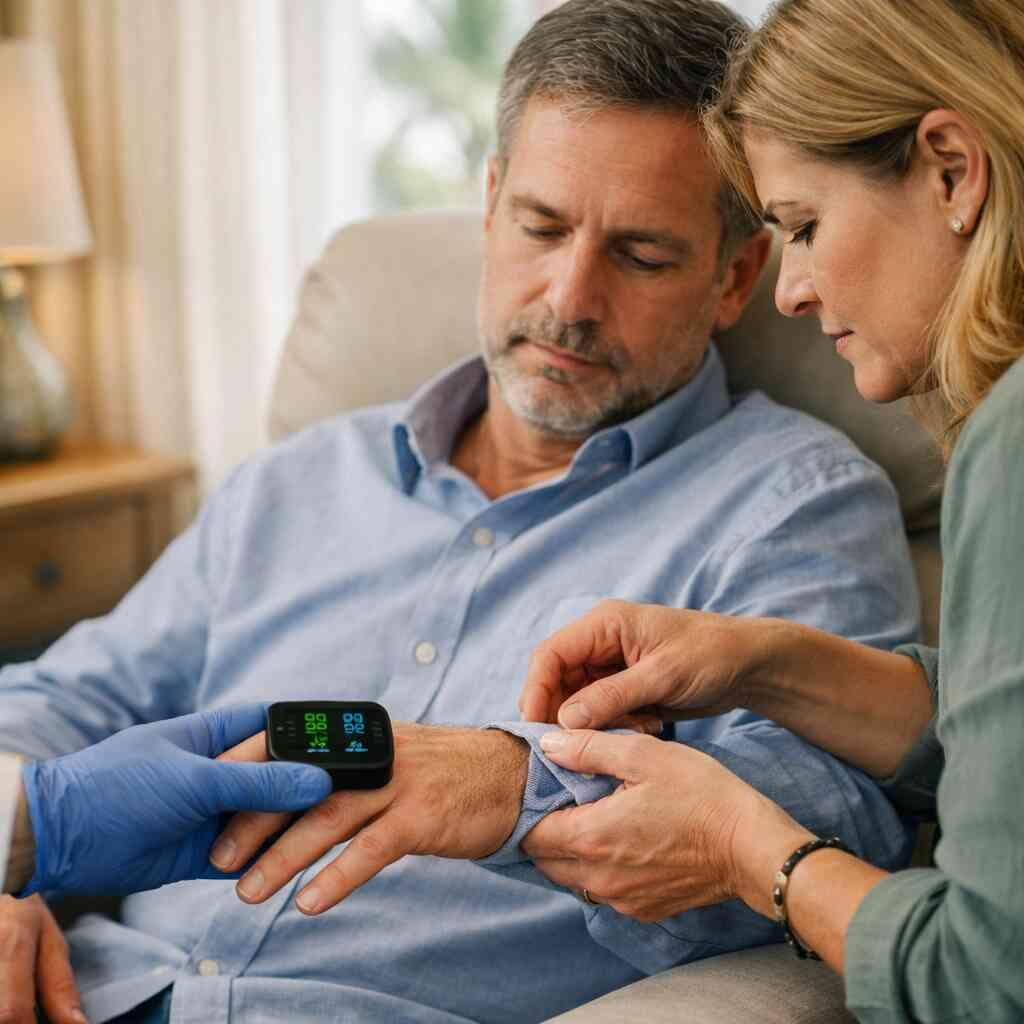
How Ketamine Florida Explains Neuroplasticity and Mood
When ketamine lifts mood faster than expected, what is actually changing in the brain
If depression has quieted your thoughts and flattened your days, a fast shift can feel almost suspicious. Many people expect weeks before relief. Ketamine can feel different. That difference is exactly why people keep asking what is happening inside the brain.
Why a sudden shift in mood can feel surprising after ketamine treatment
A sudden lift can feel strange because suffering changes your baseline. When pain has lasted for months, even a small opening feels huge. Some people describe the first improvement as color returning to a gray room. Others notice they can answer a text, make breakfast, or cry again.
That surprise is normal. It does not mean the change is fake. It means your nervous system may be responding in a way that is faster than standard antidepressants. In a ketamine clinic Florida patients often want reassurance that a rapid shift can still be medically meaningful.
How an NMDA receptor antagonist opens a window for neuroplasticity
Ketamine is a noncompetitive NMDA receptor antagonist. That sounds technical, but the idea is simple. It changes how brain cells signal and may briefly reduce the strength of rigid stress circuits. That temporary shift can open a window for neuroplasticity, which is the brain’s ability to change and rewire.
Here is the part most people miss. Ketamine treatment is not just about making you feel detached for a short time. It may also help the brain become more flexible afterward. That flexibility matters when you are stuck in loops of threat, shame, or numbness.
What research from early ketamine studies showed about rapid antidepressant effects
Early studies helped move ketamine from anesthesia into psychiatry. The 2000 Berman trial reported rapid antidepressant effects in people with major depressive disorder. Later work, including the 2013 Murrough trial, reinforced the possibility of fast relief in treatment-resistant depression, or TRD. Those findings changed how clinicians thought about mood disorders.
The science still has limits. Researchers continue to study who responds best, how long benefits last, and how many ketamine infusions for depression may be needed in different cases. But the early signal was strong enough to reshape the field. It also created new interest in ketamine therapy for neuroplasticity in Florida.
Why mood improvement and feeling like yourself again are not always the same thing
Mood improvement can arrive before identity feels whole again. You may sleep better and still feel emotionally unfamiliar. You may function better and still wonder who you are without constant suffering. That gap can be unsettling.
One client in South Florida described it plainly: “I could think again, but I did not yet trust my own thoughts.” That kind of comment comes up often in clinical care. Relief is real, yet integration takes time. For some people, that is where therapy and careful follow-up matter most.
The neuroplasticity story that explains why some hard to treat symptoms can loosen
The reason ketamine draws attention is not mystery. It is flexibility. When a brain has stayed locked in threat, self-criticism, or avoidance, new pathways can be hard to form. Ketamine may help loosen that grip.
How ketamine therapy may help the brain build new connections instead of old loops
Think of the brain as a city of roads. Depression, PTSD, and chronic stress can keep sending traffic down the same dead-end streets. Ketamine therapy may briefly interrupt that pattern. Then new routes may become easier to use.
That is why people often pair treatment with therapy. A medication can open the door, but habits still shape the hallway. Ketamine-assisted psychotherapy and integration therapy try to help you notice what changed and use that opening well. For people exploring ketamine treatment for depression in Florida, this framing often makes the treatment easier to understand.
Why treatment-resistant depression and major depressive disorder can respond differently over time
TRD and major depressive disorder are related, but they are not identical in practice. Someone with TRD has usually tried several standard treatments without enough relief. Another person may have MDD with a first severe episode and still respond differently. Time matters. History matters.
In the projects we have seen this year, the biggest mistake is assuming one pattern fits everyone. Some people need short-term stabilization. Others need a layered plan with medication management, psychotherapy, and follow-up. The response may also change across a course of ketamine infusions. That is one reason a careful psychiatric evaluation matters.
How PTSD anxiety OCD and bipolar depression can involve rigid stress pathways
PTSD, anxiety, OCD, and bipolar depression can all involve rigid internal loops. In PTSD, the brain may stay on alert long after danger has passed. In anxiety, uncertainty can feel physically unbearable. In OCD, intrusive thoughts can trigger compulsions that temporarily lower distress but reinforce the loop.
Ketamine is not a cure for those patterns. Still, some people notice more room between trigger and reaction. That extra room can matter. It can support work on ketamine therapy for anxiety in Florida and similar conditions when a clinic determines ketamine is appropriate.
What ketamine-assisted psychotherapy and integration therapy try to do after a session
Ketamine-assisted psychotherapy uses the treatment window to deepen insight. Integration therapy helps you translate that insight into daily life. Both approaches can fit within psychedelic therapy, though ketamine is pharmacologically distinct from classic psychedelics. The goal is not spectacle. The goal is durable change.
A patient in the Orlando area once told us the session felt “clear, but not magical.” That is a useful distinction. Guided sessions can create openness. Therapy then turns openness into action. Without that second part, the insight may fade too quickly.
IV ketamine Spravato esketamine and oral ketamine where the differences actually matter
People often ask for a simple answer here. The honest answer is that the best option depends on diagnosis, setting, risk factors, and access. The differences between IV ketamine, Spravato esketamine, oral ketamine, and intramuscular ketamine matter because each one changes the experience.
Why FDA-approved Spravato is not the same as off-label ketamine infusions
Spravato esketamine is FDA-approved for treatment-resistant depression and depressive symptoms with acute suicidality in certain settings. It is given under strict monitoring. Ketamine infusions are usually off-label ketamine use for mood disorders and pain. That does not make them inappropriate. It just means the regulatory status is different.
IV ketamine versus Spravato esketamine is a common comparison because insurance and logistics often drive the decision. Spravato may have more insurance familiarity. IV ketamine may allow more dose flexibility in some clinics. The better option depends on your case, not on marketing.
What to know about IV ketamine versus intramuscular ketamine and oral ketamine
IV ketamine is delivered through a vein and can be adjusted precisely. Intramuscular ketamine is given by injection and may be easier in some settings. Oral ketamine is taken by mouth and often feels more convenient, though absorption can be less predictable. Each route has trade-offs.
OptionCommon advantageCommon limitationIV ketaminePrecise controlRequires an infusion settingIntramuscular ketamineSimpler administrationLess adjustable once givenOral ketamineMore convenientVariable absorptionIf you are comparing oral ketamine versus intramuscular ketamine, ask how the clinic monitors response, side effects, and follow-up. That question matters more than the route alone. It also helps when you are weighing chronic pain, mood disorder care, or trauma recovery.
How guided sessions and safety ketamine protocols shape the treatment experience
The treatment environment changes the experience. Quiet lighting matters. A calm chair matters. So do monitoring, screening, and clear instructions. Good safety ketamine protocols reduce avoidable risk and help you feel oriented.
Patients sometimes worry they will lose control. That fear is understandable. A well-run clinic explains what dissociation may feel like, watches vital signs, and stays available if anxiety rises. If you are looking at ketamine therapy side effects and safety, ask what monitoring the clinic uses and how they handle concerns afterward.
What insurance coverage ketamine may look like in Florida and when self-pay or sliding scale options come up
Insurance coverage ketamine can be complicated. Spravato may have broader coverage pathways than off-label ketamine infusions, but each plan differs. Some Florida patients use self-pay ketamine, private pay, or sliding scale options when coverage falls short. Financial assistance ketamine programs are worth asking about directly. For ketamine therapy insurance coverage in Florida, ask these questions: 
- Is the psychiatric evaluation covered?
- Is Spravato Medicare coverage available in my plan?
- What is the expected cost of ketamine therapy for my route?
- Are there payment plans or sliding scale options?
Clarity up front lowers stress later.
What patients in Florida usually want to know before they sit in the chair
This is the practical section people often search for at midnight. The questions are direct because the stakes feel personal. You want to know what it will feel like, what it will cost, and what happens after the appointment. That is reasonable.
How quickly does ketamine work and how long do ketamine effects last for mood relief
Some people notice changes within hours. Others notice them after a few sessions. How quickly does ketamine work depends on diagnosis, dose, setting, and the rest of your treatment plan. The effect is often fast compared with standard antidepressants.
How long do ketamine effects last can vary widely. Relief may fade after days or weeks without follow-up care. That is why many clinics discuss a course of treatment rather than a one-time visit. If you are asking how many ketamine infusions for depression are typical, the honest answer is that it depends on the person and the clinic’s protocol.
Will I hallucinate on ketamine and what dissociation usually feels like in a clinical setting
Most people do not describe ketamine as a classic hallucination. They more often describe dissociation. That can feel like distance from the body, altered time, a dreamlike state, or a sense of floating. Some people find that peaceful. Others find it strange.
Will I hallucinate on ketamine is a common fear, especially for first-timers. The answer is usually “not in the dramatic way people imagine,” but experiences vary. Guided sessions help. So does preparation. In a Florida ketamine center, staff should explain what is normal and what needs attention.
Driving after ketamine treatment what most Florida clinics advise
Driving after ketamine treatment is a safety issue, not a convenience issue. Most clinics advise against driving the same day because attention, judgment, and coordination can be altered. That caution is especially important after IV ketamine, Spravato, or any session that produces noticeable dissociation.
A Jacksonville patient once admitted the hardest part was not the infusion itself. It was arranging a ride home while juggling work and family schedules. That is real life. Planning ahead matters. Ask the clinic what they require for transportation before you book.
Side effects ketamine cognitive effects and the long-term effects ketamine can raise concern about
Side effects ketamine may include nausea, dizziness, blood pressure changes, headache, and temporary dissociation. Cognitive effects can include short-term confusion or slowed thinking during recovery. Long-term effects ketamine are still being studied, especially with repeated or unsupervised use. The evidence is stronger for monitored clinical care than for recreational use.
ketamine therapy side effects and safety should be discussed plainly, not minimized. Ask about memory, concentration, and follow-up monitoring. Good clinics welcome those questions because they know safety builds trust.
Why bladder cystitis ketamine urinary tract damage and ketamine overdose belong in a serious safety conversation
Bladder cystitis ketamine and urinary tract damage are real concerns with repeated misuse. They are not the usual outcome of supervised medical treatment, but they deserve attention. Ketamine overdose can also happen, especially when products are used outside clinical care or mixed with other substances. Safety has to stay part of the conversation.
If you are worried about misuse, ketamine overdose and bladder health safety is a useful topic to read next. The same is true for ketamine addiction, Special K addiction, and Super K abuse. Those issues need care, not judgment.
What Ketamine Florida wants you to do next if mood symptoms or ketamine misuse are taking over
At some point, the right question is not “Should I know more?” It is “What path fits my life right now?” That might mean ketamine treatment. It might mean a different psychiatric plan. It might mean addiction care first. The next step should match the problem in front of you.
When a psychiatric evaluation can clarify whether ketamine treatment or another plan fits
A psychiatric evaluation can sort out diagnosis, severity, and safety. It can also help distinguish depression from bipolar depression, PTSD, OCD, or substance-related symptoms. That matters because ketamine is not the right fit for every person. A good evaluation also checks medications, history, and current risk.
If you are considering ketamine treatment for PTSD in Florida or another condition, ask how the clinic decides who is a candidate. For some people, medication management or another therapy may be better first. That is not failure. That is good medicine.
How to think about ketamine addiction Special K addiction and Super K abuse without shame
Ketamine addiction can develop when use moves away from care and toward escape. Special K addiction and Super K abuse can damage memory, bladder health, and relationships. Ketamine withdrawal is usually not the same as alcohol or opioid withdrawal, but stopping can still feel difficult. Shame rarely helps. Honest assessment does.
If you are worried about ketamine misuse and withdrawal signs, read what are 7 signs of ketamine misuse and withdrawal. The goal is not to label you. The goal is to protect your health and give you a path forward.
When rehab for ketamine detox residential treatment or an outpatient program becomes the safer path
Sometimes the safest move is addiction treatment before anything else. Rehab for ketamine may include detox, residential treatment, or an outpatient program depending on severity. If there is also depression, trauma, or another diagnosis, dual diagnosis care is often important. That combination deserves structure.
A serious plan may include:
- relapse prevention
- aftercare
- family therapy
- cognitive behavioral therapy
- DBT
- holistic therapy
- medication management
If your use is out of control, ketamine detox may be the right topic to discuss first. Recovery gets easier when care matches the actual level of risk.
How dual diagnosis family therapy CBT DBT holistic therapy medication management and aftercare can fit together
Dual diagnosis care recognizes that mental health and substance use can feed each other. Family therapy can improve communication. CBT can challenge distorted thinking. DBT can help with distress tolerance and emotional regulation. Holistic therapy can support sleep, movement, and routine. Medication management can stabilize symptoms while the rest of recovery takes shape.
The mistake we see most often is treating only one layer. That rarely lasts. Aftercare and relapse prevention close the loop. If you are comparing ketamine clinic Florida options, ask how they coordinate follow-up and referrals when addiction risk exists.
What to ask about Florida ketamine center options in Miami Fort Lauderdale Orlando Tampa Jacksonville and West Palm Beach before booking
Florida is a big state, and access differs by region. Miami, Fort Lauderdale, Orlando, Tampa, Jacksonville, and West Palm Beach all have different travel realities. Heat, traffic, work schedules, and ride access can affect treatment follow-through more than people expect. Local planning matters.
Before you book, ask:
- Is ketamine legal Florida for this use in this setting?
- Is the clinic licensed for the services it provides?
- Do they offer telehealth ketamine for screening or follow-up where appropriate?
- Do they serve veterans ketamine, LGBTQ ketamine, seniors ketamine, or adolescents ketamine with tailored care?
- What does the intake process look like for ketamine treatment in Broward County Florida, ketamine treatment in Orange County Florida, ketamine treatment in Duval County Florida, or ketamine treatment in Palm Beach County Florida ?
You do not have to sort all of this out today. Start with one careful conversation, one honest evaluation, and one clinic that treats both hope and safety with equal seriousness.
Frequently Asked Questions
Question: How does Ketamine Florida explain neuroplasticity in the blog title How Ketamine Florida Explains Neuroplasticity and Mood?
Answer: Neuroplasticity is the brain’s ability to adapt, form new connections, and change old patterns. In the context of ketamine therapy, Ketamine Florida explains that ketamine may help create a temporary window where rigid stress pathways can become more flexible. That is one reason people with treatment-resistant depression, major depressive disorder, PTSD, anxiety, OCD, or bipolar depression may ask about ketamine treatment. The idea is not that ketamine guarantees results, but that it may support the brain’s capacity to respond differently when combined with guided sessions, ketamine-assisted psychotherapy, and integration therapy. A careful psychiatric evaluation helps determine whether this approach is appropriate for your situation.
Question: What is the difference between IV ketamine, Spravato esketamine, oral ketamine, and intramuscular ketamine at a ketamine clinic Florida patients might consider?
Answer: These options differ in how they are administered, how closely they can be monitored, and how they fit into a treatment plan. IV ketamine allows precise adjustment during ketamine infusions. Spravato esketamine is FDA-approved for certain depression-related indications and is given in a supervised setting. Oral ketamine may be more convenient, while intramuscular ketamine can be simpler in some clinical environments. The best option depends on diagnosis, safety considerations, and access. For example, someone with TRD, chronic pain, CRPS, fibromyalgia, or migraine may need a different approach than someone seeking help for trauma recovery. Ketamine Florida emphasizes that these decisions should be made after a psychiatric evaluation, not based on convenience alone.
Question: How quickly does ketamine work, and how long do ketamine effects last for mood relief?
Answer: Some people notice changes within hours, while others need a series of ketamine infusions before they feel meaningful relief. How quickly does ketamine work depends on the person, the condition being treated, the dose, and the overall care plan. How long do ketamine effects last can vary as well, and benefits may fade without follow-up care, therapy, or medication management when appropriate. That is why Ketamine Florida focuses on treatment planning rather than one-time promises. The clinic’s compassionate approach is especially important for patients dealing with mood disorder symptoms, suicidality, or ongoing emotional distress, because consistent follow-up can help support more durable progress.
Question: Will I hallucinate on ketamine, and what does dissociation usually feel like during guided sessions?
Answer: Most patients do not experience dramatic hallucinations in the way people often imagine. More commonly, ketamine causes dissociation, which may feel like a dreamlike state, altered time, emotional distance, or a sense of floating. That experience can feel unusual but is not automatically a sign that something is wrong. In a well-run ketamine clinic Florida patients should expect preparation, monitoring, and clear safety ketamine protocols so they know what to expect before, during, and after treatment. Ketamine Florida places a strong emphasis on guided sessions because a calm environment can make the experience easier to navigate and can support better integration afterward.
Question: What should I know about ketamine therapy side effects, driving after ketamine treatment, and the long-term effects ketamine may have?
Answer: Common side effects ketamine may include nausea, dizziness, temporary confusion, elevated blood pressure, headache, or dissociation. Because attention and coordination can be affected, driving after ketamine treatment is usually not advised the same day. Long-term effects ketamine are still being studied, especially when use is repeated or unsupervised, which is why monitored clinical care matters. Ketamine Florida encourages patients to ask about cognitive effects, bladder cystitis ketamine, urinary tract damage, and other safety concerns openly. Honest discussion of risks is part of responsible care, especially for anyone considering ketamine infusions, Spravato esketamine, or off-label ketamine for mental health or chronic pain.
Question: How does Ketamine Florida handle insurance coverage ketamine, self-pay ketamine, and financial assistance ketamine options?
Answer: Insurance coverage ketamine can vary significantly depending on the plan, the treatment route, and the diagnosis. Spravato Medicare coverage or other insurance pathways may be possible in some cases, while off-label ketamine may require private pay, self-pay ketamine, or sliding scale arrangements. Because exact pricing and coverage cannot be promised in advance, Ketamine Florida recommends asking directly about the cost of ketamine therapy, eligibility, and any available financial assistance ketamine options during your initial call or psychiatric evaluation. This helps patients in Florida make informed choices without surprises, whether they are seeking care for depression, anxiety, PTSD, chronic pain, or another mood-related concern.