
When ketamine treatment enters the home, what changes for the people around you
If depression has drained the house of energy, ketamine treatment can feel like hope and uncertainty arriving together. Families often notice relief first, then confusion. A loved one may return from the clinic quieter, brighter, or oddly distant. That shift can unsettle everyone, especially if you are already carrying fear about treatment-resistant depression, PTSD, or chronic pain.
The hard part is that this process changes home life, not just symptoms. You may be managing schedules, meals, transportation, and mood changes at once. That is a lot. We hear this from families almost every week, and the worry is completely normal. If you want a clear family support during ketamine treatment guide, start by understanding the emotional rhythm ketamine can create.
Why a loved one may seem calm one hour and distant the next after an infusion or Spravato session
Ketamine can produce rapid shifts in mood, perception, and emotional intensity. Some people feel lighter soon after treatment, while others feel sleepy, introspective, or detached. With Spravato esketamine, the experience may include temporary dizziness or dissociation, which can look like emotional distance. That does not automatically mean something is wrong.
Here is the part most families miss: the person may be processing more than they can explain right away. Ketamine influences the NMDA receptor antagonist pathway, and that can create a dissociative or psychedelic experience before deeper emotional work settles in. One client in South Florida described coming home from IV ketamine and needing silence, not advice, for the rest of the evening. That request sounded cold at first, but it was actually self-protection.
The family role that matters most before the clinic visit and in the hours that follow
Your most helpful role is often practical, not clinical. Before the appointment, make sure the person has transportation, clear instructions, and a low-stress plan for the rest of the day. After treatment, protect rest, hydration, and quiet. Do not crowd them with questions. Do not interpret every pause as a setback.
If you are supporting someone in Miami, Fort Lauderdale, or Orlando, traffic and weather can complicate timing. Summer storms and afternoon congestion are real. Build in extra margin. The calmest families treat the day like a recovery day, not a normal errand day.
What ketamine treatment in Florida usually asks of caregivers without asking them to become clinicians
A ketamine clinic Florida should handle medical decisions, screening, and monitoring. Your role is narrower and equally important. You can help track sleep, appetite, mood changes, and any side effects ketamine may cause. You can also notice if the person becomes unusually confused, withdrawn, or agitated after treatment.
Families sometimes ask for a script. The best script is simple: “What do you need tonight?” That question keeps dignity intact. It also creates room for honesty without pressure. If you want more context on supporting a loved one through ketamine therapy, the most useful support usually starts with listening well.
What families should understand before the first ketamine appointment
The first appointment often brings more questions than answers. That is normal. Families want to know what will happen, how long it will last, and what support the person will need afterward. In Florida, the answer depends on the treatment type, the clinic model, and the person’s diagnosis. A thoughtful clinic should explain all of that clearly before treatment starts.
This is especially important for people seeking ketamine therapy for major depressive disorder, anxiety, PTSD, OCD, bipolar depression, or chronic pain. The setting matters. So does the plan. If you are comparing clinics, use questions to ask a ketamine clinic in Florida as a checklist rather than a guesswork exercise.
The difference between IV ketamine, Spravato esketamine, oral ketamine, and intramuscular ketamine support needs
The support needs change based on the delivery method. IV ketamine usually requires more immediate recovery monitoring because the experience can be more intense and time-limited. Spravato is FDA-approved for treatment-resistant depression and requires in-clinic observation after dosing. Oral ketamine and intramuscular ketamine may involve different timing, different onset, and different expectations for follow-up.
Treatment typeTypical support focusFamily takeawayIV ketamineSame-day supervision, transport, restPlan for quiet recoverySpravato esketamineObservation after dosing, transport, side effect awarenessExpect clinic-based structureOral ketamineAdherence, timing, symptom trackingFollow instructions carefullyIntramuscular ketamineRecovery space, monitoring, transportKeep the day openThis is why what to expect during ketamine treatment matters so much. Your family does not need to memorize pharmacology. You do need to understand the shape of the day.
Why psychiatric evaluation, medication management, and treatment planning shape the family experience
A careful psychiatric evaluation helps determine whether ketamine therapy is appropriate, especially when there is bipolar depression, suicidality, trauma history, or dual-diagnosis concerns. Medication management also matters because some medicines can change how treatment feels or how often it is scheduled. In Florida, a responsible clinic should review history, current prescriptions, and risk factors before starting.
Families feel the effects of good planning immediately. Appointments run smoother. Fewer surprises appear at home. Communication gets clearer. If you want a strong example of a ketamine treatment family guide, it begins with clarity before the first dose, not after the first complication.
Questions families should ask a ketamine clinic Florida about safety, scheduling, and follow-up care
Ask direct questions. Good clinics expect them. You may ask how they monitor blood pressure, what side effects ketamine may cause, how they handle dissociation, and what happens if symptoms worsen. You should also ask about follow-up care, because ketamine therapy is rarely just one appointment.
Useful questions include:
- How do you screen for medical and psychiatric risks?
- Who reviews medication interactions?
- What does the recovery process look like?
- How do you handle missed appointments or scheduling changes?
- What follow-up plan do you use after treatment?
Those answers tell you a lot about ketamine therapy safety for families. If the clinic is vague, keep looking.
The quiet work of support during ketamine infusions and guided sessions
Support during the session is usually understated on purpose. Too much stimulation can make recovery harder. Too many opinions can make the person feel watched. The goal is not to control the experience. The goal is to lower stress so the treatment can do its work.
We have seen families help most when they treat the session day like a calm landing. Soft lighting helps. Quiet helps. Predictability helps. If you are building a home routine around ketamine infusions, that structure often matters more than dramatic reassurance.
How to create a calm recovery environment that lowers stress without crowding the patient
Think simple. A comfortable chair, water nearby, light food later, and a room with fewer demands. Keep the TV low or off. Avoid asking the person to explain their experience immediately. Some patients need silence before words.
On the projects we have finished this year, the most effective families created “low-input” zones at home. They reduced noise, postponed problem-solving, and kept children informed in age-appropriate ways. One Tampa-area spouse placed a note on the refrigerator that said, “Quiet afternoon, back to normal later.” That small cue prevented a lot of unnecessary tension. For many families, how families can help during ketamine infusions starts with the environment itself.
What dissociation can look like and how families can respond without overreacting or minimizing
Dissociation can look strange if you have never seen it. The person may seem distant, dreamy, slow to answer, or unusually aware of inner thoughts. They may describe floating, time shifts, or a sense of observing themselves. That can sound alarming, but it is often part of the ketamine experience. Do not panic. Do not joke it away either. Say something grounded and calm. “You are home. You are safe. I am here.” That sentence does more than most people realize. If you want better understanding ketamine side effects for families, remember that a dissociative reaction is not the same as a psychiatric emergency unless other warning signs appear. ### The practical rules around driving after ketamine treatment, rest, meals, and monitoring side effects ketamine 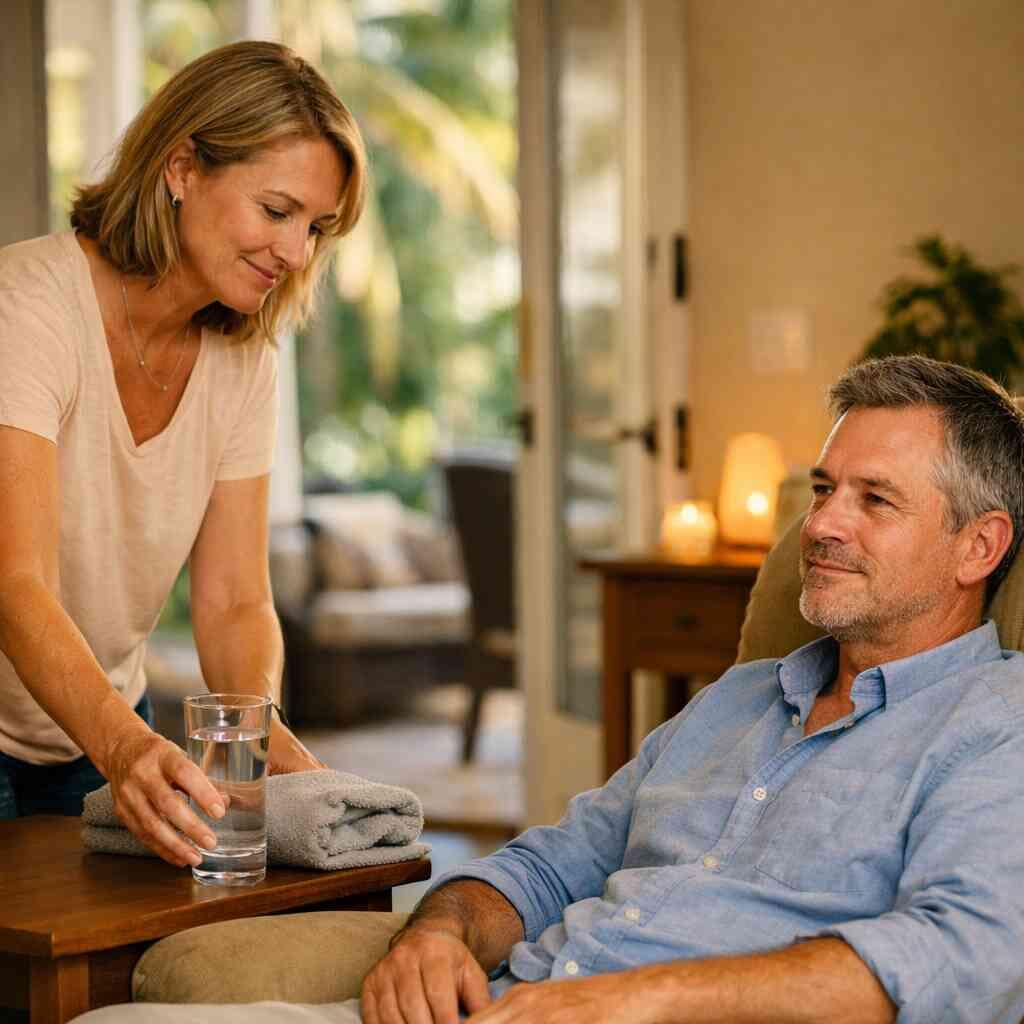
Driving after ketamine treatment is not something to improvise. The person should not drive until the clinic confirms it is safe. That is especially true after IV ketamine or Spravato. Most families do best by arranging a ride home and a quiet schedule afterward.
Use a simple aftercare routine:
- Offer water and a light meal.
- Keep the environment calm.
- Watch for headache, nausea, dizziness, or confusion.
- Avoid major decisions that day.
- Call the clinic if side effects intensify.
These are ordinary steps, but they matter. Families often ask, “Will I hallucinate on ketamine?” The answer depends on dose, route, and sensitivity, but altered perception can occur. That is why ketamine therapy safety for families deserves real attention, not casual assumptions.
When the treatment target is depression, PTSD, OCD, bipolar depression, or chronic pain
Family support changes depending on the diagnosis. A person with major depressive disorder may need encouragement to stay engaged when energy is low. Someone with PTSD may need more predictability and fewer surprises. Someone living with chronic pain may need help that is both emotional and practical. The family system shifts around the illness.
Ketamine can help some people move out of stuck patterns, but the family still carries the day-to-day weather of recovery. That includes communication, boundaries, and patience. It also includes knowing when to step back. Support works best when it is steady, not smothering.
How family support shifts when the person is living with treatment-resistant depression or major depressive disorder
With treatment-resistant depression, families often arrive exhausted. You may have watched antidepressant after antidepressant fall short. That history can make hope feel risky. Ketamine therapy may offer a new route, but it also asks everyone to tolerate uncertainty while the response unfolds.
The best support here is consistent and low-pressure. Encourage adherence to the treatment plan. Notice small changes. Avoid demanding proof of progress every day. If your loved one is receiving ketamine treatment for depression on Ketamine Treatment Florida, remember that recovery may show up first as better sleep, less withdrawal, or more willingness to talk.
Supporting a loved one with anxiety, PTSD, OCD, or trauma recovery without turning every conversation into a treatment session
Families can accidentally make treatment the only topic that exists. That gets tiring fast. People with anxiety or PTSD often need ordinary conversation too. Talk about dinner, the dog, work, or the game on TV. That normalcy is not avoidance. It is nervous-system relief.
At the same time, trauma recovery needs structure. Some families use brief check-ins instead of endless debriefs. Others rely on supporting PTSD recovery in the family and pair it with family therapy. The point is balance. You can take the treatment seriously without letting it consume the entire house.
Why chronic pain, migraine, fibromyalgia, and CRPS can change the emotional climate at home
Chronic pain is never only physical. It affects sleep, irritability, finances, routines, and intimacy. When someone is coping with CRPS, fibromyalgia, or migraine, everyone feels the strain. Ketamine infusions may be part of a broader pain plan, but family support remains essential.
Pain can make people look angry when they are actually worn down. It can also make them cancel plans, withdraw, or become afraid of being a burden. That emotional climate is real. If your family is also dealing with chronic pain, pain management can help frame expectations. The more honest the household becomes, the less resentment tends to build.
What to do next when family support becomes part of the recovery plan
Support after ketamine treatment works best when it becomes part of the recovery plan, not an afterthought. Families need a path forward. That path may include therapy, safety planning, medication coordination, and clear rules about what to do if symptoms worsen. Good aftercare gives everyone a map.
Here is the practical truth: support does not end when the appointment ends. It becomes more important afterward. That is where integration, relapse prevention, and follow-up care matter most. It is also where a thoughtful clinic can help you feel less stranded.
How to use integration therapy, family therapy, and cognitive behavioral therapy or DBT after ketamine sessions
Integration therapy helps the person make sense of what came up during treatment. Family therapy helps the household respond without slipping back into old patterns. Cognitive behavioral therapy and DBT can support emotional regulation, communication, and coping skills. These approaches often work well alongside ketamine-assisted psychotherapy when the clinic recommends it.
Try to keep post-session conversations simple at first. Ask what felt helpful, what felt uncomfortable, and what support is needed next. Do not demand a grand insight. The best gains often emerge quietly. For families seeking family support for depression recovery, consistency often matters more than intensity.
Recognizing warning signs that call for help including suicidality, worsening distress, or ketamine misuse concerns
Some changes require immediate attention. If the person talks about suicidality, becomes more agitated, shows severe confusion, or appears unsafe, contact the clinic or emergency services right away. If there are concerns about ketamine misuse, Special K addiction, Super K abuse, ketamine withdrawal, or ketamine overdose, treat those concerns seriously.
Warning signs may include:
- Escalating isolation
- Seeking repeated doses outside the plan
- Memory problems that worsen
- Urinary symptoms or bladder pain
- Loss of control over use
If misuse is part of the picture, addiction recovery support and detox support may be more appropriate than ongoing treatment alone. Safety comes first.
How to plan for aftercare, relapse prevention, insurance coverage ketamine questions, and when to reach out to Ketamine Florida
Aftercare should include who to call, what to monitor, and what happens if progress stalls. Families should ask about relapse prevention, visit spacing, and whether the clinic offers help with medication management or ongoing psychiatric evaluation. They should also ask about insurance coverage ketamine and self-pay options if coverage is limited. Those questions are practical, not awkward.
If you are comparing options in Florida, ask about safety, follow-up, and how the clinic supports families between appointments. Ketamine Florida works with people facing depression, PTSD, anxiety, OCD, bipolar depression, and chronic pain, and it also supports those struggling with ketamine misuse concerns. If you need help sorting the next conversation, reach out and ask for a plan that fits your household. Start with one call, write down three questions, and make room for the answer to be honest.
Frequently Asked Questions
Question: What should families know before a loved one starts ketamine therapy, and how can Ketamine Florida help us prepare for the first visit?
Answer: Before the first appointment, families should understand that ketamine treatment is a medical process with both practical and emotional steps. At Ketamine Florida, the goal is to make that first visit as clear and calm as possible by explaining what to expect during ketamine treatment, reviewing safety ketamine considerations, and outlining the support needed at home afterward. Families are often most helpful when they assist with transportation, help organize questions for the clinic, and create a low-stress recovery plan for the rest of the day. A thoughtful psychiatric evaluation and medication management review are also important because they help the clinic determine whether ketamine therapy is appropriate for concerns such as treatment-resistant depression, major depressive disorder, anxiety, PTSD, OCD, bipolar depression, or chronic pain. If you are comparing clinics, ask about recovery planning, follow-up care, and communication after treatment. That kind of preparation helps families feel more confident and keeps the process centered on safety, clarity, and compassionate care.
Question: How can families support a loved one through ketamine therapy without crowding them, especially after ketamine infusions or Spravato esketamine sessions?
Answer: The most helpful support is often quiet, practical, and consistent. After ketamine infusions or Spravato esketamine treatment, some people feel tired, introspective, or temporarily detached, and that can be part of the dissociation or psychedelic experience rather than a sign that something is wrong. Families can help by creating a calm recovery environment, offering water or a light meal, reducing noise, and avoiding pressure for immediate conversation. Simple communication tips for loved ones in treatment can make a big difference, such as asking what the person needs tonight instead of trying to analyze every reaction. Ketamine Florida encourages a family support during ketamine treatment approach that respects dignity and reduces stress. If someone is receiving IV ketamine, oral ketamine, or intramuscular ketamine, the support needs may differ slightly, but the core principle stays the same: protect rest, monitor side effects ketamine may cause, and let the clinic guide medical decisions. This is especially important for families supporting treatment-resistant depression, trauma recovery, or chronic pain, where emotional exhaustion can already be high.
Question: What is the difference between IV ketamine vs Spravato support needs for families in Florida?
Answer: IV ketamine vs Spravato support needs can look different because the treatment setting and recovery structure are not identical. IV ketamine often involves a more immediate post-treatment recovery period, while Spravato esketamine is FDA-approved for treatment-resistant depression and requires in-clinic observation after dosing. For families, that means planning for transport, time away from responsibilities, and a quiet space at home afterward regardless of the treatment type. With Spravato, families should expect more clinic-based structure and monitoring; with IV ketamine, they should be ready for a potentially more intense same-day recovery period. Ketamine Florida helps patients and families understand these differences so they can make informed decisions about ketamine therapy. If your loved one is also dealing with anxiety, PTSD, or chronic pain, the emotional impact of each treatment may look different from day to day. Clear instructions, a calm schedule, and good aftercare planning are usually more valuable than trying to predict every response.
Question: What warning signs should families watch for, and when should we seek help during ketamine therapy?
Answer: Families should take any worsening distress seriously. If a loved one becomes more agitated, severely confused, unusually withdrawn, or talks about suicidality, they should contact the clinic or emergency services right away. Other warning signs may include memory problems that worsen, urinary symptoms, bladder pain, repeated requests for doses outside the plan, or concerns about ketamine misuse such as Special K addiction, Super K abuse, ketamine withdrawal, or ketamine overdose. While ketamine therapy can be a helpful option for some people, it should always be paired with careful monitoring, follow-up care, and honest communication. Ketamine Florida supports families by encouraging aftercare, relapse prevention, and medication management when needed, especially for people with dual-diagnosis concerns or long-standing mood disorder symptoms. If something feels off, it is better to ask than to wait. Safety and early intervention matter.
Question: What does family support during ketamine treatment look like after the session, and how can integration therapy, family therapy, or DBT help?
Answer: After the session, support should continue as part of the recovery plan, not as an afterthought. Families can help by checking in gently, maintaining a calm routine, and encouraging adherence to the clinic’s aftercare plan. Integration therapy can help the patient make sense of insights or emotions that surfaced during treatment, while family therapy gives the household a place to address communication patterns, boundaries, and stress in a structured way. Cognitive behavioral therapy and DBT can also support emotional regulation and coping skills, especially when ketamine-assisted psychotherapy is part of the care plan. For families dealing with depression, PTSD, OCD, chronic pain, or bipolar depression, this kind of follow-through can make support more sustainable. Ketamine Florida emphasizes a thoughtful ketamine treatment family guide approach that includes post-session care, relapse prevention, and honest planning for the next steps. That may also include discussing insurance coverage ketamine, self-pay or private pay options, and financial planning if cost is a concern.
Question: What should we ask a ketamine clinic Florida when we are considering family support, safety, and long-term care?
Answer: Families should ask direct, practical questions before starting treatment. Good questions include how the clinic handles psychiatric evaluation, medication management, recovery monitoring, side effects ketamine may cause, and follow-up care after treatment. It is also helpful to ask how the clinic supports family education about ketamine therapy, what to expect during ketamine treatment, and whether they can help with navigating insurance coverage ketamine or self-pay planning. If you are comparing options for a Florida ketamine center, you may also want to ask how they support people receiving ketamine infusions for treatment-resistant depression, chronic pain, PTSD, anxiety, or other mood disorder concerns. Ketamine Florida encourages families to be informed, because informed families usually feel more prepared and less overwhelmed. The best clinics should welcome these conversations and answer clearly without overpromising outcomes. That openness builds trust and helps everyone focus on safe, compassionate treatment planning.