Why Tampa patients ask about ketamine when regular treatment has stopped working
If depression has flattened your days, that exhaustion is real. If pain has turned every morning into a negotiation, that is real too. We hear from Tampa patients who feel stuck after medication after medication, and the frustration can be heavy. You may have done everything right and still feel no relief. That gap is exactly why ketamine therapy keeps entering the conversation.
What treatment-resistant depression and chronic pain can feel like after medication after medication
Treatment-resistant depression, or TRD, often means you have already tried multiple antidepressants, dose changes, or therapy combinations without enough improvement. Chronic pain can look similar from the outside, but inside it can become a daily narrowing of your life. Major depressive disorder, anxiety, PTSD, OCD, bipolar depression, CRPS, fibromyalgia, and migraine can all push people toward ketamine treatment when standard paths stall. The hardest part is often not the symptoms alone. It is the sense that time keeps passing while you keep waiting to feel like yourself again.
One Tampa patient once described it as “running out of doors to open.” That is the kind of language we hear often. On the pain side, patients may have already seen neurology, rheumatology, or pain management. On the mood side, you may have tried psychotherapy, medication management, or both. Ketamine infusions are considered because they work differently, not because they are magic.
Why ketamine infusions in Tampa are being considered for depression PTSD anxiety OCD and bipolar depression
Ketamine infusions in Tampa are getting attention because many people want an option that does not rely only on serotonin-based treatment. Ketamine therapy may be discussed for depression, PTSD, anxiety, OCD, bipolar depression, and suicidality support, especially when symptoms have stayed stubborn. The appeal is not hype. It is the possibility of a different mechanism and a different pace of relief. Some people want fewer months of waiting. Others want a structured clinic setting with guided sessions and close monitoring.
Here is the part most people miss: ketamine is usually part of a plan, not the entire plan. A careful clinic may pair treatment with psychiatric evaluation, safety monitoring, and follow-up planning. That matters in Florida, where patients often compare a ketamine clinic Florida providers trust with a cash-only storefront that may skip support. If you are in South Tampa, Hyde Park, or Westshore, convenience matters, but safety matters more.
When Spravato esketamine and IV ketamine enter the conversation and when they do not
Spravato esketamine and IV ketamine are not interchangeable, even though people often group them together. Spravato is FDA-approved for certain depression-related uses, while IV ketamine is generally off-label ketamine treatment. That difference affects insurance coverage, supervision, and how a clinic structures care. If you are comparing IV ketamine vs Spravato, the decision usually depends on diagnosis, treatment history, logistics, and medical appropriateness. It should never depend on marketing alone.
Spravato may be discussed when a patient wants an FDA-approved esketamine option and potentially broader insurance pathways. IV ketamine may be discussed when a clinic believes it better fits a person’s needs or symptom pattern. Oral ketamine and intramuscular ketamine can also come up, but they are usually considered in narrower care plans. For some people, these options are not the right fit at all. A thoughtful evaluation should say that plainly.
What makes a ketamine clinic Florida patients trust different from a casual cash only provider
A trusted clinic does more than administer a dose. It starts with a psychiatric evaluation, reviews history carefully, and looks for medical and medication interactions. It also talks about side effects ketamine can cause, including temporary blood pressure changes, nausea, or dissociation. A casual provider may skip that depth and sell speed instead. That is a bad trade.
In Florida, patients should also ask how the clinic handles follow-up, coordination, and emergency planning. A strong practice will be clear about who monitors symptoms, who adjusts treatment, and how aftercare works. If a clinic cannot explain its process in plain English, that is useful information. One patient from the Tampa area told us the most reassuring part was not the infusion itself. It was the clear plan before and after.
The part most people never get explained before their first infusion
How ketamine works on the NMDA receptor and why neuroplasticity matters for mood and pain
Ketamine is a noncompetitive NMDA receptor antagonist, which means it works on a glutamate pathway that differs from standard antidepressants. That matters because mood and pain are not only about “feeling low” or “feeling sore.” They are also about how the brain processes stress, threat, memory, and relief. Researchers often discuss neuroplasticity, or the brain’s ability to form new connections and response patterns. That is one reason ketamine and neuroplasticity for mood is such an important topic.
For many patients, this explanation is the moment the treatment makes more sense. You are not being asked to “just think positive.” You are being offered a biologically different path. That does not guarantee success, and it does not erase the need for therapy. But it helps explain why ketamine therapy can feel relevant when other approaches have stalled.
Why dissociation is not the same as losing control and what a guided session actually feels like
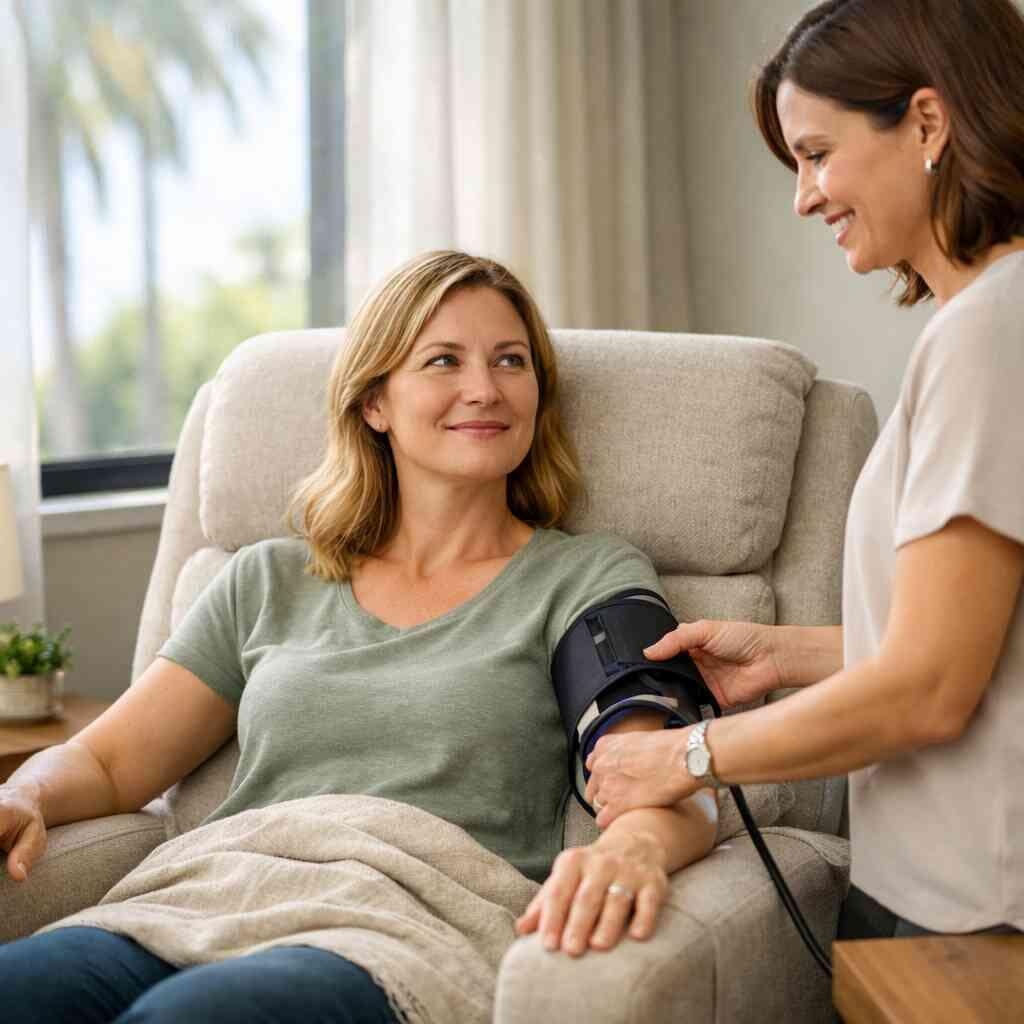
People often ask, “Will I hallucinate on ketamine?” The honest answer is that experiences vary. Some people feel detached, dreamy, or mentally distant for a short time. That dissociation is not the same as losing control. In a guided session, you are usually monitored, seated or reclined, and supported by staff who know what to watch for. The environment should feel calm, not cold or clinical.
A first-time patient may notice sounds seeming farther away, time moving strangely, or thoughts becoming less linear. That can feel unusual, but it is expected in many protocols. A guided session should include preparation, monitoring, and recovery time. Safety ketamine is not a slogan. It is the work of keeping the room calm and the follow-up clear. If the word dissociation scares you, that reaction is normal.
How quickly ketamine may work for depression and why the response window is different for each person
People ask us how quickly does ketamine work almost every week. The short answer is that some patients notice changes quickly, sometimes within hours or days. Others need several sessions before they can tell whether the pattern is shifting. The response window is different for each person because diagnosis, severity, medication history, sleep, trauma load, and pain all matter. There is no honest one-size-fits-all timeline.
That uncertainty can feel hard when you are desperate for relief. Still, the early-window possibility is part of why ketamine infusions for depression are so widely discussed. You may not feel “fixed,” but you might notice a little more space between thoughts. That space can matter. It can make therapy, sleep, and daily functioning slightly more possible.
What the Berman and Murrough studies helped establish and what they do not prove about outcomes
The Berman and Murrough studies helped establish ketamine’s antidepressant potential in controlled research. They showed that ketamine could produce rapid changes in depressive symptoms for some patients. That was a meaningful shift in psychiatry. It helped move ketamine from a curious idea into a serious treatment discussion. It also influenced later work on mood disorder treatment and suicidality support.
Still, those studies do not prove that every patient will respond. They do not guarantee durability, and they do not replace individualized care. That distinction matters. Research can show promise without promising a personal outcome. A patient in Orlando once told us the studies gave her hope, but the clinic conversation gave her clarity. Both matter, and both should stay honest.
Sorting through the real treatment choices without the marketing fog
IV ketamine vs Spravato esketamine and who each option may fit best
OptionTypical settingRegulatory statusCommon practical differenceIV ketamineInfusion clinicOff-label ketamine treatmentFlexible dosing and monitoringSpravato esketamineCertified supervision settingFDA-approved esketamineInsurance may be more accessibleOral ketaminePrescribed planOff-labelSlower onset, variable absorptionIntramuscular ketamineClinical injectionOff-labelDifferent administration formatThis comparison sounds technical, but the real question is simple: which option fits your medical picture and your logistics? IV ketamine vs Spravato often comes down to insurance, diagnosis, and how a clinic structures supervision. Spravato may be better aligned with certain insurance pathways, including some Medicare situations, though coverage varies. IV ketamine may be preferred when a patient needs a different dose structure or a more individualized infusion plan.
You should also ask what the clinic offers after the session. If a provider only sells the appointment and says nothing about follow-up, that is a problem. A serious clinic will discuss expected monitoring, transportation, and next-visit planning. Good care is never just the medication.
Where oral ketamine and intramuscular ketamine may come up in Florida care plans
Oral ketamine and intramuscular ketamine may appear in select Florida care plans, but they are not universal solutions. Oral ketamine can be easier to take, but absorption is less predictable. Intramuscular ketamine may be used in some settings when a clinician believes it is appropriate. Each route has different practical tradeoffs. None should be chosen without medical review. In Tampa and across Florida, the best route often depends on the reason for treatment. A person seeking ketamine treatment for chronic pain in Florida may have different needs than someone focused on trauma recovery. A patient with complex mood symptoms may also need more frequent review. This is where a ketamine clinic Florida patients rely on should explain options instead of pushing one format. That conversation should feel grounded, not sales-driven. ### How ketamine-assisted psychotherapy and integration therapy can support trauma recovery 
Ketamine-assisted psychotherapy is not just about the infusion. It often includes preparation, guided sessions, and integration therapy afterward. That matters especially for trauma recovery, where insight without follow-through can fade quickly. If ketamine creates a softer mental edge, therapy can help you use that edge well. That is why some clinics discuss psychedelic therapy frameworks even while staying medically careful.
Integration work may include journaling, coping plans, or structured therapy like CBT or DBT. For trauma-focused care, some patients also benefit from evidence-based approaches such as Cognitive Processing Therapy. If your clinic offers ketamine therapy integration support, ask how that support actually works. Vague support is not enough. Real integration feels specific, repeatable, and tailored to you.
What safety ketamine means in practice including psychiatric evaluation medication management and side effect monitoring
Safety starts before the infusion. A clinic should review psychiatric history, substance use history, blood pressure concerns, and current medications. It should also ask about ketamine therapy side effects, including nausea, anxiety during the session, dizziness, or cognitive effects. For some people, the plan may need to be adjusted because of bipolar symptoms, suicidality, or other risks. That is why medication management matters.
A safe clinic also explains what happens if you feel unwell after treatment. It should not leave you guessing. It should tell you about rest, transport, and when to call for help. If you are considering ketamine treatment for PTSD in Florida or ketamine treatment for bipolar disorder in Florida, careful screening is especially important. Safety is not an extra. It is the treatment.
Why insurance coverage ketamine can be complicated and how self pay sliding scale and private pay usually differ
Insurance coverage ketamine can be confusing because coverage depends on diagnosis, policy language, and treatment type. Spravato may be more likely to receive coverage review because it is FDA-approved, but that does not mean approval is automatic. IV ketamine is often treated differently because it is off-label. Some patients therefore use self-pay ketamine, private pay, or a sliding scale when available. Others ask about financial assistance ketamine options and discover the clinic needs time to verify benefits.
Here is the most important part: do not assume a low headline price means a low total cost. Ask what is included, what follow-up looks like, and whether monitoring is separate. For many families, the real issue is predictability, not just the sticker number. If you are comparing plans, start with the ketamine therapy and insurance coverage discussion before you commit. That call can save a lot of stress.
What Tampa patients should decide before they book a consultation
How to think about cost of ketamine therapy and possible financial assistance questions
The cost of ketamine therapy is one of the first practical questions people ask, and for good reason. If you are already stretched thin, even a hopeful treatment has to fit real life. Ask whether the clinic offers package pricing, separate evaluation fees, or payment options. Ask whether follow-up visits are bundled or billed separately. Ask about financial assistance without feeling embarrassed.
One patient in the Westshore area told us the price question felt uncomfortable until she realized it was part of informed consent. That is true. Money affects adherence, timing, and stress. If a clinic cannot discuss ketamine treatment cost in Florida plainly, that should concern you. Clear pricing is a sign of respect.
What to ask about driving after ketamine treatment side effects ketamine and the long term effects ketamine may raise
You should not plan to drive after treatment unless your clinician explicitly says otherwise. Driving after ketamine treatment is a safety issue, not a convenience issue. Temporary impairment can happen even when you feel mostly fine. Ask how long you need to rest, who should take you home, and what symptoms mean you should wait longer. Those questions are basic, not excessive.
You should also ask about ketamine therapy side effects and possible long-term effects ketamine may raise. Serious concerns can include cognitive effects, urinary problems, or bladder cystitis ketamine with repeated misuse. Those risks are one reason monitored care matters. If a provider brushes off these questions, keep asking. Real safety can handle real questions.
When ketamine addiction becomes a real concern and why ketamine withdrawal ketamine overdose and bladder cystitis ketamine matter
Is ketamine addictive? It can be, especially with repeated nonmedical use. Ketamine addiction, Special K addiction, and Super K abuse are real concerns, not scare tactics. Problem use can lead to cravings, loss of control, ketamine withdrawal symptoms, and even ketamine overdose. Bladder cystitis ketamine and urinary tract damage are particularly important because they can become long-term, painful problems. That is why misuse recovery deserves serious attention.
If you are worried about a loved one, look for secrecy, escalating use, memory problems, and social withdrawal. If that is happening, treatment should not wait for a crisis. Clinically, ketamine misuse often overlaps with other issues, so a dual diagnosis assessment can matter. Treatment should be compassionate, but it should also be direct. No one benefits from denial.
How rehab for ketamine misuse works with detox outpatient program residential treatment dual diagnosis aftercare and relapse prevention
Rehab for ketamine misuse often starts with assessment and may include detox, an outpatient program, or residential treatment depending on severity. Some people need structure because use is tied to trauma, depression, or another mental health issue. That is where dual diagnosis treatment becomes important. A plan may include family therapy, CBT, DBT, holistic therapy, medication management, and relapse prevention. Aftercare should not be an afterthought.
If you are comparing levels of care, think about safety, environment, and support. Detox may help stabilize physical symptoms or withdrawal concerns. Outpatient care may support people who still need to work or care for family. Residential care may help when the environment itself is too triggering. For more detailed guidance, some readers also review ketamine overdose and misuse recovery alongside a clinician conversation.
Why Tampa location matters for access from South Tampa Hyde Park Westshore and nearby Florida service areas
Location matters more than people think. If you are juggling work in downtown Tampa, family in Hyde Park, or traffic near Westshore, a clinic’s accessibility affects follow-through. The same is true if you are coming from nearby service areas in Florida, including Orlando, Jacksonville, Miami, Fort Lauderdale, or West Palm Beach. People often search for a Florida ketamine center that fits both medically and geographically. That is sensible.
A convenient location is not enough on its own, but it does lower friction. If parking is unclear, if the office is hard to reach, or if follow-up is awkward, people skip visits. Tampa patients deserve care that is both competent and practical. If you want to review broader access, the service areas for ketamine treatment in Florida page can help frame the conversation. A good plan is easier to keep when the logistics make sense.
What the smartest next move looks like if you are choosing between ketamine therapy Spravato or a different path for mood disorder treatment and pain relief
The smartest next move is not to decide everything today. It is to compare your actual options with a clinic that can explain them clearly. Ask whether ketamine therapy, Spravato, or another treatment path fits your symptoms, history, and goals. Ask how the clinic handles ketamine treatment FAQs and safety, what the follow-up looks like, and how they think about trauma recovery or pain relief. If the conversation feels rushed, slow it down.
You deserve a plan that respects your fear, your budget, and your hope. You do not have to guess your way through this. Start with one honest consultation question, then ask the next one. If you are ready to talk with a team that treats the process seriously, you can contact a ketamine center in Florida and ask for clarity before you commit.
Frequently Asked Questions
Question: In Ultimate Guide to Ketamine Infusions in Tampa 2026, how do I know whether ketamine therapy, Spravato esketamine, or IV ketamine vs Spravato is the better fit for treatment-resistant depression, anxiety, PTSD, OCD, bipolar depression, or chronic pain?
Answer: The best option depends on your diagnosis, treatment history, current medications, and practical factors like insurance coverage ketamine and visit scheduling. Ketamine Florida can help you compare ketamine therapy options in a medically responsible way, including IV ketamine, Spravato esketamine, oral ketamine, and intramuscular ketamine when appropriate. Spravato is FDA-approved esketamine for certain depression-related uses, while IV ketamine is typically considered off-label ketamine treatment. That distinction matters for insurance, supervision, and how treatment is structured. A thorough psychiatric evaluation is important before moving forward so the plan matches your needs rather than a marketing headline. If you are looking for Tampa ketamine care, the goal is to find a Florida ketamine center that explains the differences clearly and recommends only what fits your situation.
Question: How quickly does ketamine work, how long do ketamine effects last, and what should I expect during guided sessions if I am worried I will hallucinate on ketamine?
Answer: Some patients notice a change quickly, sometimes within hours or days, while others need a series of ketamine infusions before they can tell whether symptoms are shifting. The timeline is different for each person because depression, trauma recovery, chronic pain, sleep, and medication history all affect response. During guided sessions, people may experience dissociation, a dreamy state, or a sense that time feels different. That is not the same as losing control, and a supportive clinic should prepare you for what may happen and monitor you closely throughout treatment. Ketamine Florida prioritizes safety ketamine practices, including review of ketamine therapy side effects and careful follow-up. If you are asking how quickly does ketamine work or how long do ketamine effects last, the honest answer is that it varies and should be discussed with a clinician who understands mood disorder treatment and pain care.
Question: What should I know about ketamine therapy side effects, driving after ketamine treatment, and the long-term effects ketamine may raise for Tampa patients?
Answer: Before treatment, it is important to ask about ketamine therapy side effects, which can include temporary dizziness, nausea, blood pressure changes, fatigue, or dissociation. You should not plan to drive after ketamine treatment unless your clinician specifically says it is safe, because temporary impairment can happen even if you feel mostly alert. Long-term effects ketamine concerns are especially important when ketamine is used outside of careful medical supervision or misused repeatedly. Those risks can include cognitive effects, urinary tract damage, and bladder cystitis ketamine concerns. Ketamine Florida emphasizes psychiatric evaluation, medication management, and appropriate monitoring so patients have a clearer understanding of both benefits and risks. A trustworthy ketamine clinic Florida should answer these questions directly and never minimize them.
Question: How does Ketamine Florida approach ketamine-assisted psychotherapy, integration therapy, and trauma recovery for patients in Tampa and across Florida?
Answer: Ketamine-assisted psychotherapy can be a valuable option when the goal is not only symptom relief but also deeper trauma recovery and mood disorder treatment. In many care plans, ketamine therapy is paired with preparation and integration therapy so patients can make sense of the experience and turn insights into practical change. This may be especially helpful for PTSD, anxiety, OCD support, bipolar depression care, and chronic pain relief. Ketamine Florida supports a thoughtful, clinically grounded approach that can include therapy coordination, aftercare planning, and medication management when appropriate. Integration may involve CBT, DBT, holistic therapy, or other evidence-based support depending on the person’s needs. The goal is not to offer psychedelic therapy as a buzzword, but to provide structured care that respects the complexity of healing.
Question: Is ketamine addictive, and what happens if someone needs rehab for ketamine, detox, outpatient program, or residential treatment in Florida?
Answer: Yes, ketamine can be addictive, especially when used nonmedically or in escalating patterns. Questions like is ketamine addictive, ketamine withdrawal, ketamine overdose, Special K addiction, and Super K abuse are serious and should be taken seriously. If misuse is a concern, treatment may involve detox, an outpatient program, residential treatment, or dual diagnosis care depending on the level of risk and whether depression, trauma, or another mental health condition is also present. Recovery often includes aftercare, relapse prevention, family therapy, CBT, DBT, holistic therapy, and medication management when clinically appropriate. Ketamine Florida encourages patients and families to seek help early rather than wait for a crisis. A compassionate, medically informed team can help people move toward stability and safer care.